

Navigating Complexity: The Science Behind Ocean Mapping Difficulties
Delving into the intricate world of ocean mapping, this blog explores the scientific challenges hindering comprehensive charting of the ocean floor. From the limitations of traditional methods to the dynamic nature of the underwater environment, discover the complexities researchers face. The blog highlights technological advancements, collaborative initiatives, and the ongoing quest to navigate the uncharted waters of ocean mapping.
 Devdiscourse News Desk
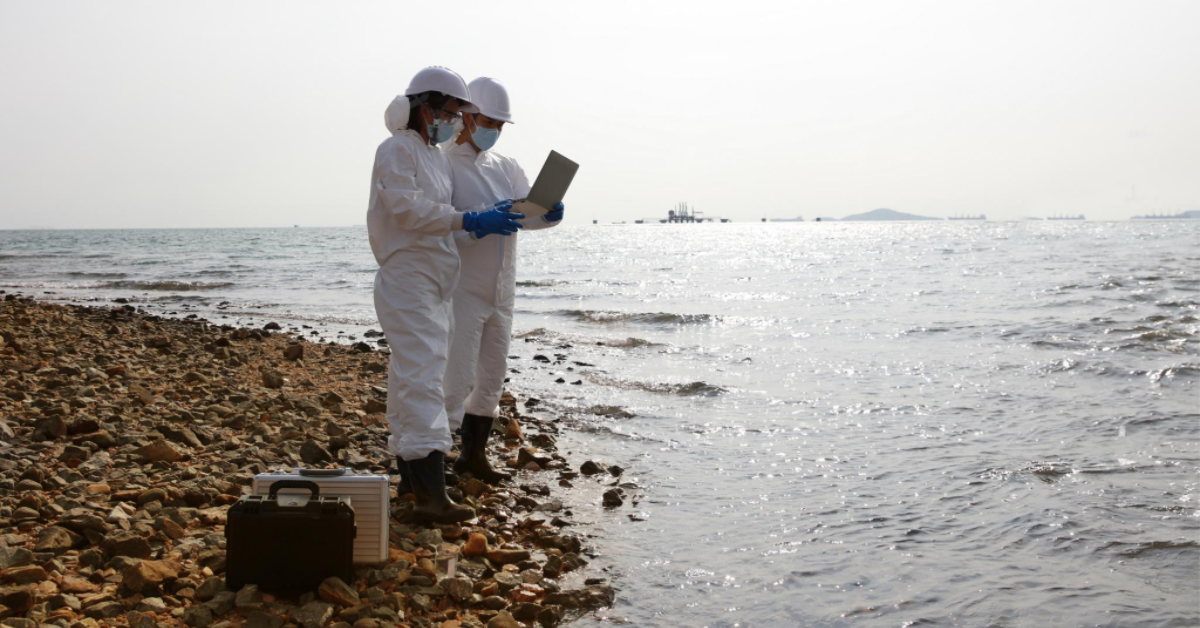
The vast expanse of the world's oceans has long been a source of wonder and mystery. While technology has advanced leaps and bounds in many areas, the comprehensive mapping of the ocean floor remains a daunting challenge. In this exploration of the intricacies involved, we dive deep into the science behind the difficulties encountered in ocean mapping, shedding light on the complexities that researchers and cartographers face.
The Abyss Beneath: Understanding the Ocean Floor
Beneath the shimmering surface of the ocean lies a world of profound complexity. The ocean floor, with its varied topography, is a landscape that remains largely uncharted. Unlike the land, where mountains, valleys, and rivers are easily discernible, the seabed conceals its features beneath miles of water. The first challenge in ocean mapping arises from the sheer inaccessibility of the terrain.
Traditional methods of topographic mapping involve satellites and airborne surveys, but when it comes to the ocean floor, these techniques fall short. The depth of the water and the scattering of light as it penetrates the surface make it nearly impossible to capture detailed imagery of the seabed using conventional methods. Subsequently, researchers have turned to innovative technologies to overcome this obstacle.
Sonar Systems: Echoes from the Deep
Sonar, an acronym for Sound Navigation and Ranging, has become a crucial tool in ocean mapping. By emitting sound waves and measuring the time it takes for them to bounce back, sonar systems can create detailed images of the ocean floor. This technique is particularly effective in deep-sea exploration, where other methods fall short.
However, even sonar encounters challenges in mapping the ocean floor accurately. The ocean is not a uniform medium, and variations in temperature, salinity, and pressure can affect the speed of sound. These factors introduce complexities in interpreting sonar data, requiring researchers to develop sophisticated algorithms to correct for such environmental influences.
Bathymetry: Painting the Ocean Floor
Bathymetry, the measurement of ocean depths, is a key aspect of ocean mapping. It involves creating detailed maps of the underwater terrain, revealing the highs and lows of the ocean floor. Satellites equipped with altimeters have been instrumental in collecting bathymetric data over large areas of the ocean. However, this method has its limitations, especially in regions with challenging underwater topography.
To address these limitations, research vessels equipped with advanced sonar systems are deployed to explore specific areas of interest. These vessels use multibeam sonar, which can capture a swath of the seabed in a single pass, providing detailed 3D maps. Despite the advancements, the process is time-consuming and expensive, making it challenging to achieve comprehensive mapping on a global scale.
The Deep Unknown: Challenges in Data Interpretation
Collecting data is only the first step; interpreting it poses its own set of challenges. The vast amount of information gathered from sonar systems and research vessels needs to be processed and analyzed to create accurate maps. The interpretation process involves distinguishing between geological features, such as seamounts and ridges, and human-made structures, like shipwrecks and debris.
Machine learning and artificial intelligence have become indispensable tools in this aspect of ocean mapping. Algorithms are trained to recognize patterns in sonar data and differentiate between various geological formations. While these technologies have significantly improved the efficiency of data analysis, the complexity of the underwater environment continues to pose challenges.
Environmental Factors: Nature's Impact on Mapping
The ocean is not a static environment; it is in a constant state of flux. Tides, currents, and weather conditions can impact the accuracy of mapping efforts. For example, waves on the surface can create acoustic interference, affecting the precision of sonar measurements. Researchers must account for these dynamic factors to ensure the reliability of the data collected.
In addition to natural elements, human activities also contribute to the challenges of ocean mapping. The proliferation of noise from shipping, oil exploration, and other anthropogenic sources can interfere with sonar signals, creating a layer of complexity in distinguishing between natural and human-made sounds.
International Collaboration: Breaking Down Barriers
The difficulties in ocean mapping transcend national borders. Recognizing the need for collaborative efforts, researchers and organizations around the world are joining forces to overcome these challenges. International initiatives, such as the Nippon Foundation-GEBCO Seabed 2030 project, aim to map the entire ocean floor by 2030. By pooling resources and expertise, these collaborations strive to create a comprehensive and accessible map of the ocean floor.
The Future of Ocean Mapping: Innovations on the Horizon
As technology continues to advance, new possibilities for ocean mapping emerge. Autonomous underwater vehicles (AUVs) equipped with advanced sensors and cameras are being deployed to explore regions that are difficult to reach with traditional methods. These robotic explorers can navigate autonomously, collecting data in real-time and providing valuable insights into the deep-sea environment.
Moreover, advancements in satellite technology, such as synthetic aperture radar (SAR), hold promise for improving the resolution of bathymetric data collected from space. These innovations, coupled with ongoing research in artificial intelligence, signal a future where ocean mapping becomes more precise, efficient, and accessible.
Conclusion: Navigating the Uncharted Waters
In the quest to map the ocean floor, scientists and cartographers are confronted with a myriad of challenges. From the technical limitations of existing tools to the dynamic nature of the underwater environment, the complexities are vast. However, through innovation, collaboration, and a deep understanding of the science behind ocean mapping, researchers are steadily unraveling the mysteries of the deep blue.
As we navigate the uncharted waters of ocean mapping, it becomes clear that the journey is as important as the destination. The challenges encountered along the way drive technological advancements, foster international collaboration, and deepen our appreciation for the profound complexity of the ocean. In the face of these difficulties, the scientific community remains dedicated to unlocking the secrets of the ocean floor, one sonar ping at a time.


 Google News