

Haitians turn back to Mexico as U.S. looks to dismantle Texas migrant camp
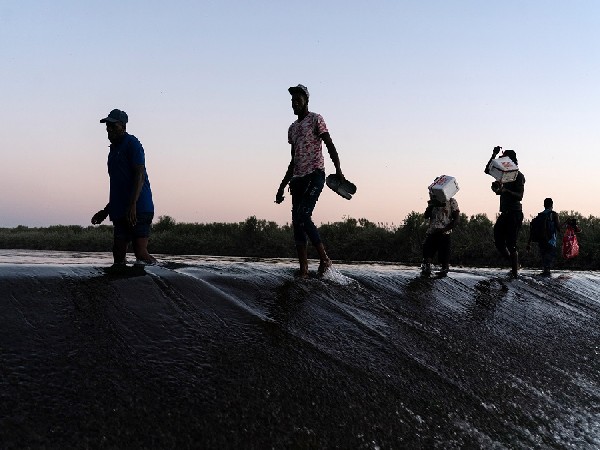
Hundreds of Haitians returned to Mexico from a sprawling migrant camp across the border in Del Rio, Texas on Monday, fearing expulsion to their homeland as U.S. authorities organized flights back to Haiti.
- Country:
- Haiti
Hundreds of Haitians returned to Mexico from a sprawling migrant camp across the border in Del Rio, Texas on Monday, fearing expulsion to their homeland as U.S. authorities organized flights back to Haiti. The camp under a bridge spanning the Rio Grande is the latest flashpoint for U.S. authorities seeking to stem the flow of migrants fleeing gang violence, extreme poverty and natural disasters in their home countries.
The first flights carrying migrants landed in Port-au-Prince on Sunday from the Del Rio camp arrived in Haiti on Sunday, with at least three more due to make the journey on Monday, according to flight tracking website Flightaware. U.S. officials closed the Del Rio border crossing last Friday due to the crush of migrants, and said Monday it remained shuttered with most traffic re-routed to the Eagle Pass, Texas, border crossing, some 55 miles (90 km) south.
The prospect of deportations galvanized the camp's residents, some of whom traversed continents over months to reach the border. "They can't send us back to Haiti because everyone knows what Haiti is like right now," said Haitian migrant Wildly Jeanmary late on Sunday, wearing only boxer shorts and standing on the Mexican side of the river after crossing it.
Drenched, he cited July's presidential assassination as a reason not to return with his wife and their two-year-old daughter to the poorest country in the Americas. Haiti was also hit by a major earthquake last month. "The government of the United States has no conscience," said Haitian migrant Nerlin Clerge, who also stood near the riverbank and had traveled to the camp with his wife and their two young sons. He said he is now considering applying for the right to stay in Mexico.
The Del Rio camp was temporary home to more than 12,000 migrants. Many had come from as far south as Chile to get there, hoping to apply for asylum protections in the United States. On Monday, a steady stream of Black, mostly Haitian migrants streamed across the river back into Mexico, including families with young children. They hoisted backpacks, suitcases and belongings in plastic bags above their heads.
Del Rio lies just inside the border, across from Ciudad Acuna on the Mexican side of the Rio Grande. Another Haitian migrant currently on the road through Mexico told Reuters he and others were traveling to the northern Mexican Gulf coast port of Tampico to work out their next move after hearing about the U.S. enforcement measures in Del Rio.
One man, however, said he had only crossed back to Mexico for food to bring back to his family in the encampment. He said he was still determined to stay in the United States. ASYLUM HOPES
U.S. Homeland Security Secretary Alejandro Mayorkas traveled to Del Rio on Monday to meet with local officials. He said he expects between one to three daily repatriation flights back to Haiti, adding that a surge of 600 border agents have been deployed to the area.
"If you come to the United States illegally, you will be returned. Your journey will not succeed," he said at a news conference, describing the number of migrants who had gathered at the camp as "stunning." While U.S. President Joe Biden rolled back many of his predecessor Donald Trump's hardline immigration policies earlier this year, he left in place a sweeping pandemic-era expulsion policy under which most migrants caught crossing the U.S.-Mexico border are quickly turned back.
Texan Gov. Greg Abbott published a letter on Monday addressed to Biden, requesting an emergency declaration for the state as a result of what he called the ongoing border crisis, and specifically referring to the situation in Del Rio. Abbott said the number of people in the camp reached 16,000 on Saturday. Not everybody at the camp had their hopes dashed.
Venezuelan migrant Melvin Azuaje, 31, and his younger brother Manuel, 11, told Reuters they were flying to the U.S. state of South Carolina where a cousin awaited them, after their asylum petitions were processed. Azuaje, who said he took custody of Manuel after their mother died of cancer, said they had been in Del Rio for over a week, first spending two days under the bridge before being moved to a processing center.
Melvin said he was eager for Manuel, who loves baseball and math, to start a new life. "It's giving me goosebumps," he said as he transited through Dallas airport Sunday evening.


 Google News