

Which are the Factors that Impact the Value Currencies

7 Factors that Influence the Value of Currency
The value and strength of a currency are often precariously balanced due to the number of factors that influence it. These factors can change the currency value slightly for prolonged periods or drastically for a couple of days.
Whether you live in a country with a strong currency or you're invested in FX trading, you will want to know what these factors are. Here are 7 things that greatly influence and change the value of a currency.
Political Stability
Political stability can either strengthen or weaken a currency instantly. We have seen countless examples of a currency dipping if a particular political party wins an election or a decision has been made that isn't well-received.
If a government is united and strong, foreign investors and countries will have greater trust as well, meaning more investment and trade will take place. On the other hand, you will often see highly corrupt or disruptive countries that will have much weaker currencies due to mistrust.
Natural Disasters
A natural disaster is a factor that has an instant influence. In smaller countries especially, all the focus is turned to rebuilding, disaster control, etc. This means that there is less money in the economy for anything else.
In poorer countries, you often see the effects of a disaster years after it has happened, such as in Haiti. The flooding that happened sank their already weakened currency and drove them further into debt.
Trade
Trade is one of the biggest factors with regard to currency strength. If a country is selling (exporting) more goods and services than it is bringing in, the currency and economy will be stronger as there is more foreign currency.
On the other hand, if imports exceed exports, this means a country is spending far more than it should. You can think of this as a business; if you are spending more than you're making, you won't be in business for much longer.
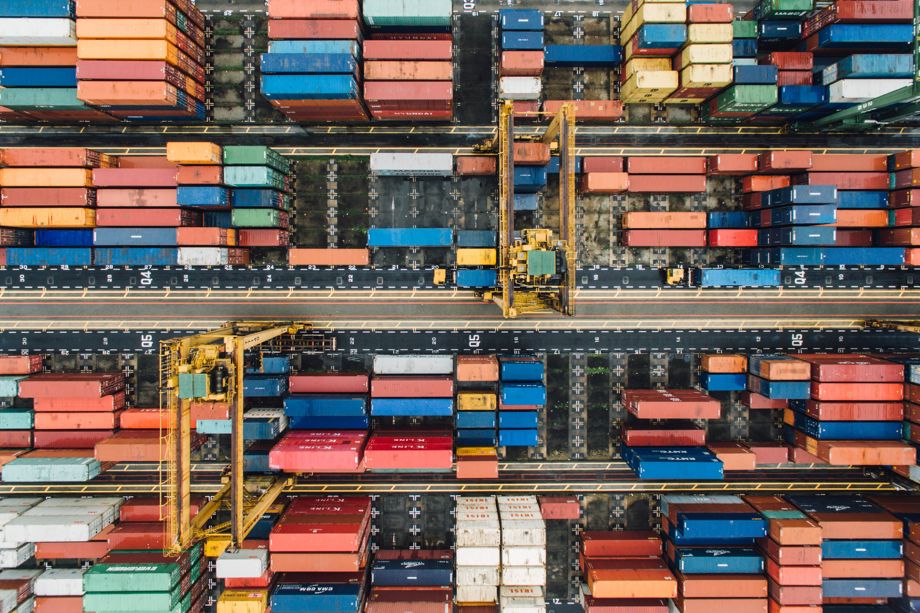
Image Credit: CHUTTERSNAP on Unsplash
Economic Health
In simple terms, economic health can also be described as economic performance. A typical example is employment rates; if a country has very high employment rates, it has more people buying taxes, putting money back into the economy, etc.
Unemployment is a sign of economic weakness and a lack of business and trade. If there is high unemployment, foreign investors are also less likely to put their money into a country as there is nothing to invest in.
Inflation
A term we have heard a lot of lately, inflation is one of the biggest and most important factors in terms of currency strength. It is used to describe purchasing power; for example, you may only need one unit of a currency to buy something, but you might need 1000 of another currency to buy the same thing.
Another example would be in Zimbabwe, where they were printing one million Zim dollar notes to use in stores. We are also currency seeing the severe effects of inflation in Venezuela, although they are now recovering thanks to oil. As inflation rises, a currency has less and less purchasing power and will quickly crumble.
Economic Confidence
A big driver behind economic and currency strength is confidence. If foreign investors and other countries have confidence in the future of a country's trade strength, employment growth, etc., they will be more likely to invest.
If a country displays corruption, financial mismanagement, high unemployment, etc., these are signs to get out or not invest at all. Currency strength is also based on how your future looks, not just how your economy is doing now.
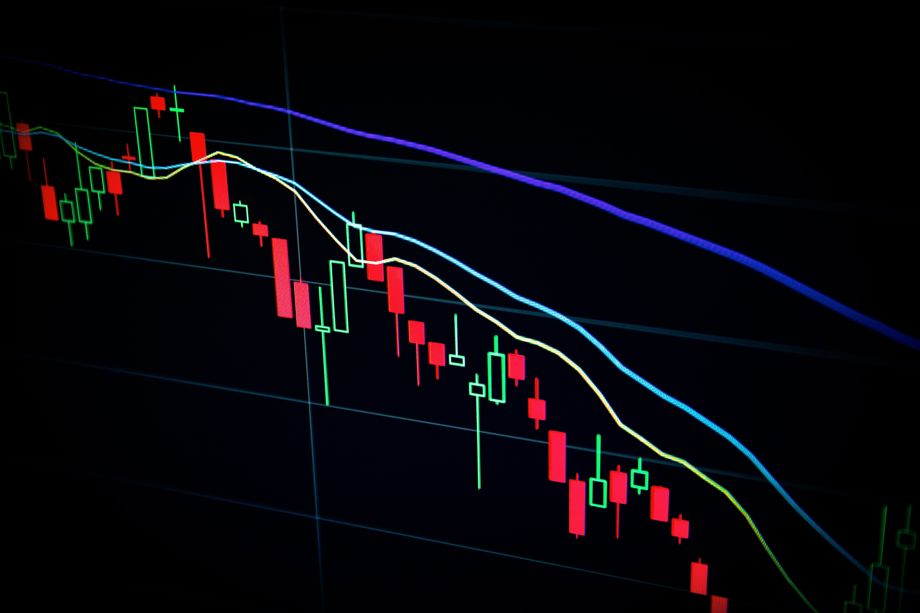
Image Credit: Maxim Hopman on Unsplash
International Investment
There are few things better for a country than a constrained stream of foreign investment into it. Foreign investment will often lead to the building of factories, additional businesses, and the like, which in turn raises employment numbers and lowers unemployment. Countries such as Brazil, Nigeria, and many others have seen tremendous growth this way.
An increase in trade and exports will then follow, bringing in more foreign currency and allowing for further growth and development. You see the difference this makes on a micro-level, too, such as a neighborhood improving after a new factory or business park opens up.
While there are several other factors that influence the strength and weakness of a currency, these seven are often seen as the biggest and some of the most important.
(Devdiscourse's journalists were not involved in the production of this article. The facts and opinions appearing in the article do not reflect the views of Devdiscourse and Devdiscourse does not claim any responsibility for the same.)


 Google News