

India's Resilient Energy Strategy Amid US-Russia Tensions
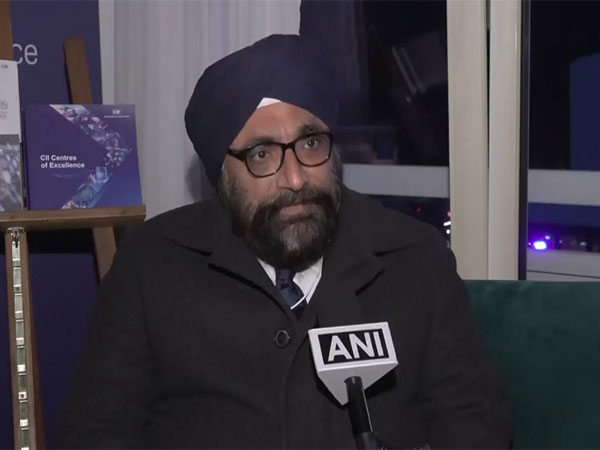
Indian Oil Chairman Arvinder Singh Sahney emphasizes India's diverse energy sources, mitigating the impact of US sanctions on Russia. As international oil prices range around USD 75-80 per barrel, India continues its green hydrogen initiatives, aiming for greater energy independence and sustainability by 2030.
- Country:
- Switzerland
Indian Oil Chairman Arvinder Singh Sahney asserted that U.S. sanctions on Russia and potential punitive measures under the Trump administration would have a 'limited effect' on India. Addressing concerns from Davos, Sahney highlighted India's diversified energy portfolio, which includes sources such as OPEC, OPEC+, and other regions including the Gulf, Guyana, Brazil, and the U.S.
Sahney predicted international crude prices to hover between USD 75 and USD 80 per barrel, showing a tendency towards the lower end. Discussing city gas distribution, he noted Indian Oil's active involvement in 47 geographical areas and their commitment to expanding infrastructure.
Regarding new acquisitions, Sahney indicated no immediate plans but emphasized progress in the green hydrogen sector. Indian Oil is set to commission a 10,000-ton capacity green hydrogen plant in Panipat within two years, aligning with India's National Green Hydrogen Mission goals to enhance renewable energy production.
ALSO READ
-
Inside Russia’s SMR School, Where Nuclear Experience Shapes Future Energy Decisions
-
Japanese Lawmakers Visit India to See Worker Protection and Skills Projects in Action
-
Indian Unions Push for Fair Recruitment and Rights for Care Workers in Germany
-
WTO Sets Up Panel on EU Carbon Border Rules as Russia Challenges Restrictions
-
Cleaner Kitchens, Polluted Skies: Hidden Health Cost of India’s Electricity Boom


 Google News