

Bank of England Surprises with Rate Cut Amid Inflation Concerns
The Bank of England reduced interest rates amidst inflation concerns, surprising investors with dissenting votes for even larger cuts. The central bank addressed sluggish economic growth and potential global trade war impacts. Inflation is expected to peak at 3.7% by Q3 2027, affecting financial forecasts.
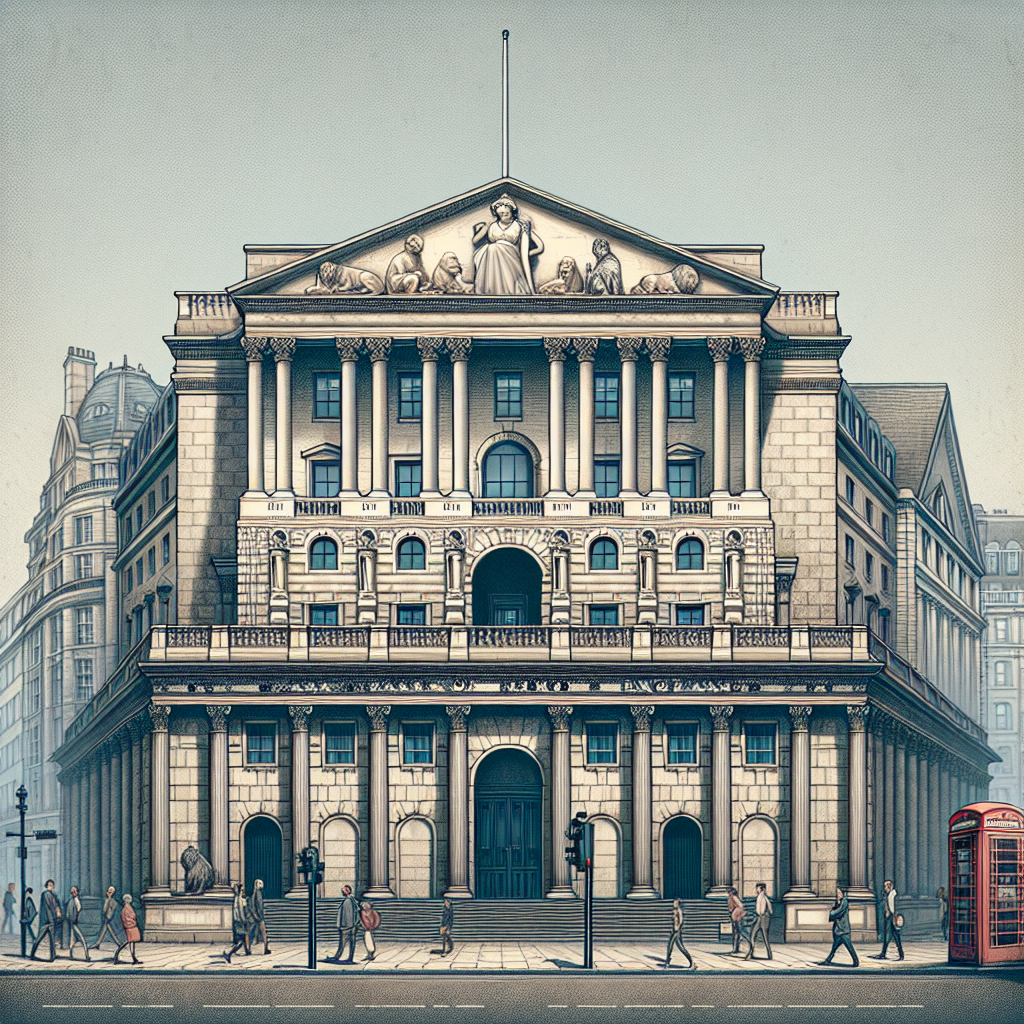
The Bank of England made headlines by cutting interest rates on Thursday, reducing its growth forecast for 2023 and predicting that a rise in inflation will be temporary. However, the decision surprised investors as two officials voted for a more aggressive rate slash, according to a Reuters poll.
Unexpected dissent came from external members Catherine Mann and Swati Dhingra, who advocated for a cut to 4.25%. Mann, who had previously opposed rate cuts, saw the need for a more active policy shift. This led to weaker sterling against the dollar and a decline in two-year British government bond yields.
Governor Andrew Bailey indicated a careful monitoring of economic conditions, a move differing from December's stated approach. The British economy, affected by tax increases and global trade tensions, is expected to contract by 0.1% in Q4. Thursday's cut leaves British interest rates among the highest in advanced economies.
ALSO READ
-
Seychelles Growth Set to Slow to 1% as Tourism Feels the Middle East Conflict’s Impact
-
ADB Approves $1.5 Billion to Protect Philippines From Conflict-Driven Price Hikes
-
Malawi’s Fragile Recovery Faces Jobs Test; Debt and State Firms Strain Economy
-
Asia’s Growth Slows to 5% as Energy Shocks and El Niño Put Regional Recovery at Risk
-
Venezuelan Central Bank's Gold Transfer Nears Completion


 Google News