

EIB Strengthens Tunisia’s Water Security with €30M Investment and New Partnerships
A dedicated feasibility study will be conducted to explore the potential for implementing NBS in smaller Tunisian municipalities — specifically, cities with populations under 3,000 inhabitants.
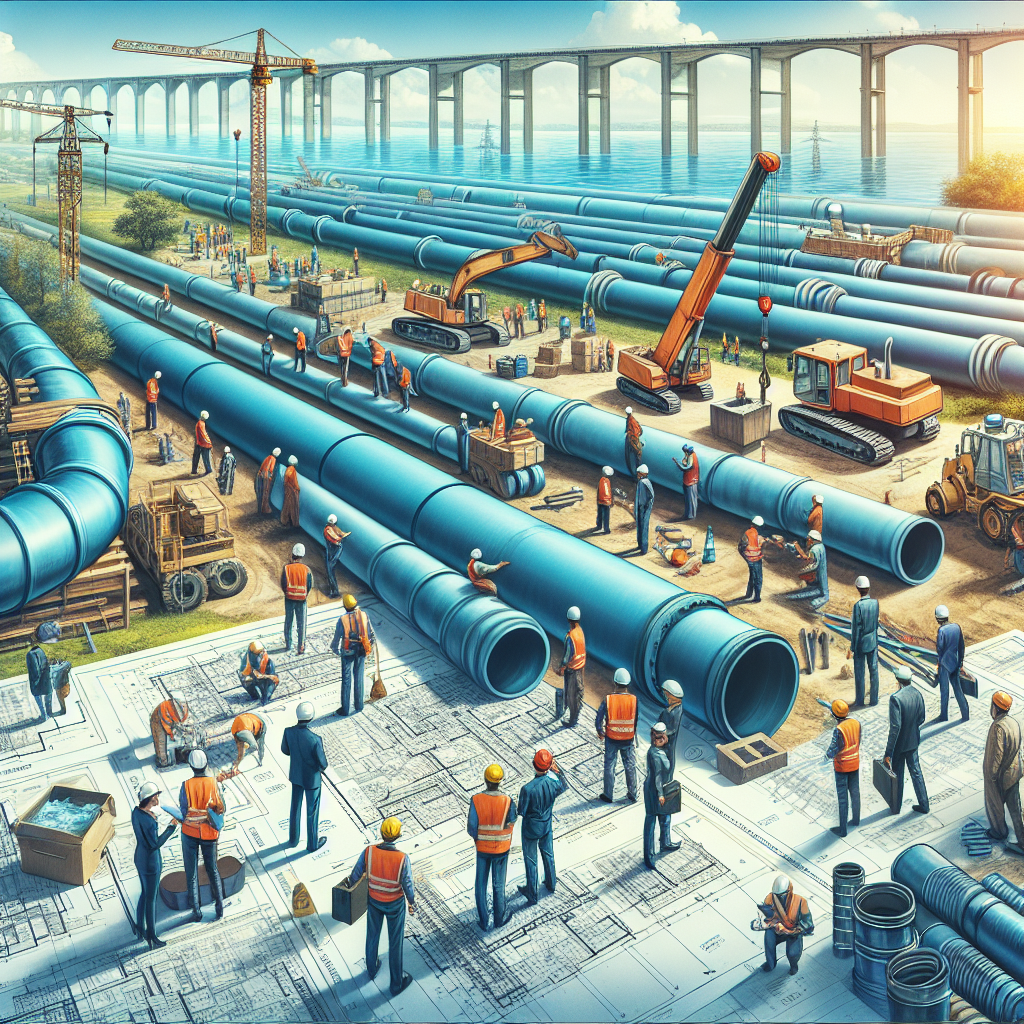
The European Investment Bank (EIB) has announced a significant increase in its support for Tunisia's critical water sector infrastructure with the signature of two major finance contracts totaling €30 million. This investment initiative is divided into:
-
A €22 million loan agreement signed directly with Société nationale d'exploitation et de distribution des eaux (Sonede), Tunisia's national water utility.
-
An €8 million loan agreement signed with the Republic of Tunisia.
Both operations are secured by a guarantee from the European Commission, reflecting the strong backing and partnership between European institutions and Tunisia in tackling water security challenges.
These funds are earmarked to support the completion of a structural water supply project focused on the Greater Tunis region, the most populous urban area in Tunisia, where demand for drinking water is rapidly outpacing supply due to burgeoning population growth and economic expansion.
Comprehensive Project Scope and Strategic Importance
The funded project will deliver extensive and critical upgrades to the region's water supply system. The planned works include:
-
Construction of a new water treatment plant in Bejaoua, equipped with modern technologies to ensure safe and high-quality potable water.
-
Installation of major water pipelines, enhancing the distribution network across Greater Tunis.
-
Development of new pumping stations to ensure efficient water transportation through the region's complex topography.
-
Building additional water reservoirs, designed to meet both current and future water storage needs, particularly in new development zones such as the ambitious Tunis Financial Harbour.
This infrastructure initiative is strategic in nature, responding directly to projections that indicate a 50% rise in water demand by the year 2040. Ensuring a reliable and sustainable water supply is critical for the region's social stability, economic development, and climate adaptation efforts.
Co-Financing and European Collaboration
Importantly, the additional financing is being delivered equally alongside the Agence française de développement (AFD) under the Mutual Reliance Initiative (MRI). This initiative is designed to streamline cooperation among European lenders and deliver efficient, synchronized support for critical infrastructure projects in partner countries.
Launch of Strategic Environmental Partnerships: Embracing Nature-Based Solutions
In a forward-looking environmental move, the EIB is launching a new strategic partnership with the World Wildlife Fund (WWF) to assist the Office national de l'assainissement (ONAS), Tunisia's national body for sanitation services.
This partnership seeks to promote the use of Nature-Based Solutions (NBS) — an innovative approach that uses natural processes and ecosystems to tackle environmental challenges, including:
-
Water resource management.
-
Climate change adaptation.
-
Urban resilience enhancement.
A dedicated feasibility study will be conducted to explore the potential for implementing NBS in smaller Tunisian municipalities — specifically, cities with populations under 3,000 inhabitants.
The study's conclusions will serve as the foundation for an important event scheduled for 19 May in Tunis, where a pilot project will be selected in collaboration with international development partners. This initiative underlines the EIB's growing commitment to engaging with local civil society and ensuring that infrastructure projects maximize their environmental and social impacts.
Voices of Support: EIB and EU Leadership Statements
Highlighting the importance of the initiative, EIB Vice-President Ioannis Tsakiris stated:
"Through these two partnerships with the Tunisian government, Sonede and ONAS, the EIB is supporting concrete, innovative solutions focused on people's needs. By ensuring reliable access to drinking water and strengthening wastewater treatment systems via nature-based solutions, our aim is to support the country's resilience to climate challenges. This support fully reflects our commitment to sustainable and equitable development, aligned with the priorities of the strategic partnership between the European Union and Tunisia."
Similarly, EU Ambassador to Tunisia Giuseppe Perrone emphasized the broader European commitment to Tunisia's water security:
"The European Union and the EIB are supporting the Tunisian authorities in their efforts to ensure access to the drinking water and sanitation services needed by the people of Tunisia. These new activities are part of Team Europe's 'Water' initiative, which has already mobilised €1.7 billion – or TND 5.7 billion – to ensure access to drinking water and sanitation services in Tunisia, thanks to the combined contributions of the European Union, its Member States and financial institutions such as the EIB."
Technical Assistance for Future Public Investments
In parallel, a significant technical assistance package worth €5 million, funded by the European Union and implemented in partnership with the EIB, has been launched to aid Tunisia's Ministry of Economy and Planning.
The purpose of this assistance is to:
-
Support the preparation of a new generation of public sector investment projects.
-
Ensure these projects achieve high quality, long-term sustainability, and resilience to climate and environmental pressures.
This program is a practical demonstration of the European Union's and the EIB's shared commitment to working closely with Tunisian authorities to shape an investment landscape capable of delivering on the country's long-term development goals.
Alignment with Global and Bilateral Frameworks
All of these activities — from infrastructure construction to environmental innovation and technical support — fit within the broader framework of:
-
EIB World's global outreach efforts, focusing on investment beyond the European Union.
-
The priorities set under the EU-Tunisia Strategic Partnership and the goals of Agenda 2030 for Sustainable Development.
-
The operational objectives of the EU-Tunisia Memorandum of Understanding, focusing on:
-
Strengthening access to essential services like water.
-
Enhancing climate resilience.
-
Promoting balanced and inclusive territorial development.
-
The comprehensive nature of this initiative showcases the deepening and maturing partnership between Europe and Tunisia — a partnership that places environmental stewardship, social equity, and sustainable economic growth at the forefront.


 Google News