

African Youth Leaders Urge Expansion of Agribusiness Hubs to Boost Rural Employment
Launched in 2020, the ABH programme has become a model of innovation in youth employment and agribusiness development.
- Country:
- Kenya
At a high-level forum held in Naivasha, Kenya, on 15–16 October, youth leaders, policymakers, and development partners from across Africa united in their call for strengthened partnerships and new investments in the Agribusiness Hubs (ABH) — a pioneering initiative that has created tens of thousands of agricultural jobs for young people across nine African nations. The event, titled "From Learning to Policy Action – Scaling Youth Employment through Systems Change," was convened by ABH financing partners — the International Fund for Agricultural Development (IFAD), Germany's Federal Ministry for Economic Cooperation and Development (BMZ), and the VISA Foundation — in collaboration with implementing partners and the Government of Kenya.
Transforming Rural Economies through Innovation
Launched in 2020, the ABH programme has become a model of innovation in youth employment and agribusiness development. By connecting young people with training, finance, markets, and networks, it has fostered an ecosystem that supports both entrepreneurship and sustainable livelihoods. Over its five-year implementation period, the programme has exceeded expectations — creating over 60,000 decent jobs, nearly three times its original goal.
The hubs operate as one-stop centers providing access to business incubation, value-chain development, mentorship, and investment linkages. This holistic approach enables young agripreneurs to not only enter but also thrive in agricultural markets, ensuring long-term impact in rural economies where unemployment and underemployment remain major challenges.
Building Partnerships for Systemic Change
In his keynote remarks, Juan Carlos Mendoza Casadiegos, IFAD's Director for Environment, Climate, Gender, and Social Inclusion (ECG), emphasized that the ABH's success illustrates the power of collaboration and systems thinking.
"Our efforts must go beyond direct investments in young people," he said. "Real change requires a systemic approach that brings governments, the private sector, development partners, civil society, and youth together. No single institution can transform rural employment alone."
The forum echoed this sentiment, with participants underscoring the need for greater policy alignment, private sector engagement, and scalable financing mechanisms to replicate and expand the ABH model across Africa.
Empowering a New Generation of Agripreneurs
The Cabinet Secretary for the Ministry of Youth Affairs, Creative Economy, and Sports of Kenya, Salim Mvurya, praised the initiative for its inclusive vision.
"The programme has demonstrated that inclusive agribusiness models can restore dignity and hope for a generation ready to build Africa's rural economies," he noted.
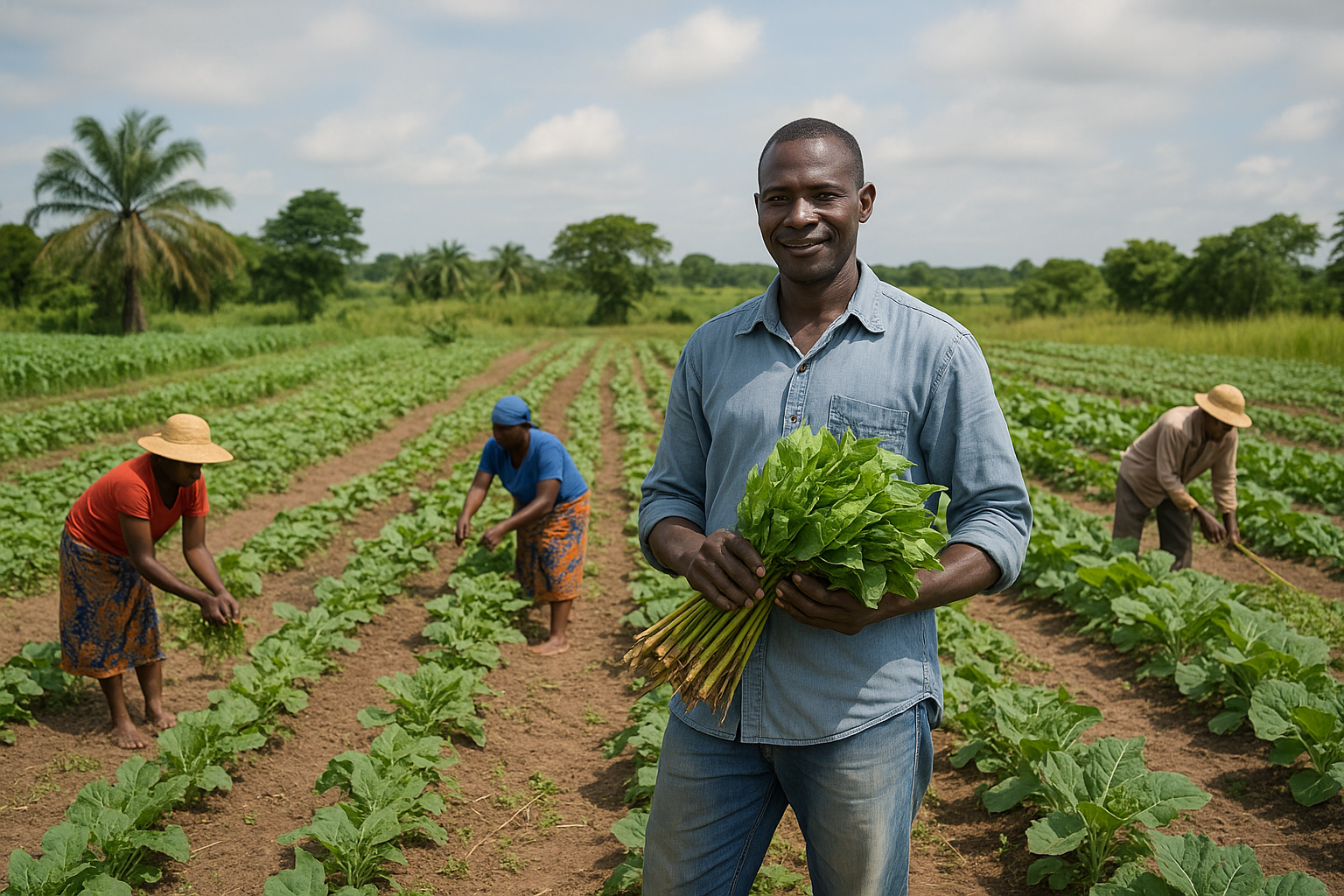
Through targeted interventions in agribusiness value chains, ABH has enabled young people to establish enterprises in areas such as horticulture, poultry farming, aquaculture, and agro-processing, while also promoting sustainable agricultural practices and digital innovation. The programme's emphasis on gender inclusion has also ensured that young women entrepreneurs gain equal access to opportunities.
The Road Ahead: Scaling Up and Sustaining Impact
With over 25 million young Africans entering the labour market every year, most in rural areas, the urgency to expand such initiatives cannot be overstated. Agriculture remains the continent's largest employer and a key driver of economic resilience. However, youth engagement in agriculture continues to face barriers, including limited access to land, finance, and technology.
Forum participants called for new partnerships, innovative financing tools, and supportive policy frameworks to sustain and scale ABH's impact. IFAD and its partners are exploring options to extend the programme's reach to additional countries, deepen collaboration with national governments, and foster cross-border learning among youth-led agribusiness networks.
Towards a Youth-Led Agricultural Transformation
As Africa navigates the twin challenges of youth unemployment and food security, programmes like ABH demonstrate that empowering the continent's young population is not just a development goal — it is an investment in the future of African agriculture. With stronger partnerships and sustained investment, the Agribusiness Hubs initiative could serve as a continental blueprint for inclusive, sustainable, and youth-driven rural transformation.
ALSO READ
-
Angola’s Development Gains Bring Power, Water and New Opportunities to Millions
-
Cambodia’s Career Fair Draws Young Jobseekers to Explore 35,000 Opportunities
-
Africa’s Informal Workers Power Trade but Have Little Say in Rules Shaping Lives
-
IFC’s €100 Million Loan Backs Doğuş Çay’s Expansion and 3,400 New Jobs Across Türkiye
-
World Bank Backs Tonga’s Push for Better Jobs and Business Growth With $15M Grant


 Google News