

World Bank Backs $627M Clean Energy Push in Brazil’s Amazon to Power Jobs and Expand Electricity Access
Major financing package targets renewable energy, grid upgrades, and energy access for over one million people in underserved region.
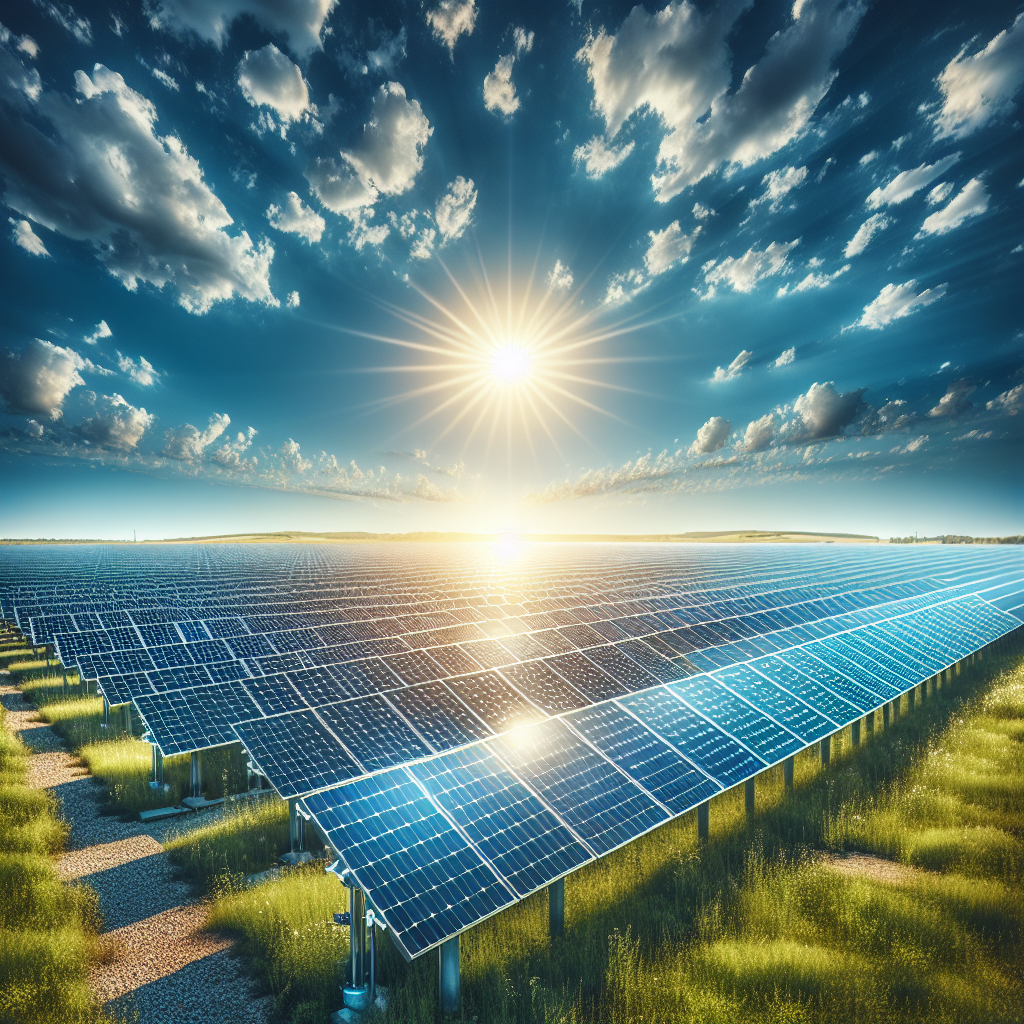
The World Bank has approved a $627.75 million investment package aimed at transforming the energy landscape of Brazil's Legal Amazon, with a focus on expanding renewable energy, creating jobs, and delivering electricity to over one million people currently without access.
The initiative positions one of the world's most ecologically critical regions to tap into the fast-growing global clean energy economy, while addressing long-standing development gaps.
Unlocking the Amazon's Untapped Economic Potential
Spanning nine states and nearly 60% of Brazil's territory, the Legal Amazon is rich in natural resources but has historically lagged behind in infrastructure and economic development.
The new project seeks to reverse that trend by leveraging the region's renewable energy potential and aligning it with global labour market shifts.
According to the International Labour Organization, Latin America could generate up to 15 million clean energy jobs by 2030, and this initiative aims to ensure the Amazon secures a significant share of that growth.
A Multi-Source Financing Model to Crowd in Investment
The $627.75 million package combines public, private, and international financing:
-
$100 million from the World Bank (IBRD loan)
-
$400 million from the Government of Brazil
-
$125 million in commercial financing
-
$2.75 million grant from the Energy Sector Management Assistance Program (ESMAP)
The project will be implemented through Banco da Amazônia (BASA), which will channel funds to private developers, utilities, and businesses to accelerate energy transition projects across the region.
Expanding Energy Access and Cutting Costs
A central objective of the programme is to expand reliable electricity access in remote and underserved communities.
-
Over 1 million residents currently lack basic electricity services
-
The project will extend access while improving service reliability
At the same time, replacing diesel-based energy systems with renewables is expected to deliver significant long-term cost savings, reducing electricity tariffs for consumers nationwide.
Driving Renewable Energy and Infrastructure Transformation
The initiative is structured around two key pillars:
1. Scaling Renewable Energy and Grid Modernisation
A dedicated financing mechanism will support:
-
Renewable energy installations (solar, wind, and hybrid systems)
-
Grid enhancements to improve reliability and resilience
-
Energy efficiency measures across industries and communities
These investments are expected to:
-
Create quality green jobs
-
Reduce dependence on costly and polluting diesel generation
-
Strengthen resilience against climate shocks such as droughts
2. Strengthening Institutions and Inclusive Growth
Supported by the ESMAP grant, the project will also:
-
Develop new financial instruments to support energy transition
-
Strengthen BASA's operational and institutional capacity
-
Implement gender and inclusion programmes to ensure equitable access to jobs and benefits
This approach aims to ensure that the transition to clean energy is not only sustainable but also socially inclusive, benefiting women and marginalized communities.
Reducing Diesel Dependence and Emissions
Many parts of the Legal Amazon rely heavily on isolated diesel-based power systems, which are expensive, polluting, and vulnerable to supply disruptions.
By shifting toward renewable energy:
-
Electricity generation costs are expected to decline
-
Carbon emissions will be reduced
-
The region's energy system will become more sustainable and resilient
A Strategic Step in Brazil's Energy Transition
"Brazil's Legal Amazon holds immense potential for energy transition," said Cécile Fruman, World Bank Country Director for Brazil. "By channeling financing through BASA to crowd in private investment, this project will help transform the Amazon's energy systems—cutting costs, expanding access, and strengthening resilience."
Positioning the Amazon in the Global Green Economy
Beyond infrastructure, the initiative represents a broader effort to integrate the Amazon into global clean energy value chains.
By attracting private investment and building local capacity, the project aims to:
-
Stimulate regional economic development
-
Enhance energy security
-
Position the Amazon as a key player in Brazil's clean energy future
A Model for Sustainable Development in Fragile Regions
The project reflects an emerging development model—one that combines climate action, economic inclusion, and private sector mobilisation to deliver impact at scale.
If successful, it could serve as a blueprint for other regions seeking to balance environmental protection with economic opportunity.
ALSO READ
-
Brazil's Oil Discovery: A Catalyst for Lula's Reelection Campaign
-
Historic Compensation Deal Expanded: 19 More Cities Join
-
Brazil's Massive AI Investment: Navigating Superpowers in the Digital Age
-
Brazil to Host Historic 2027 Women's World Cup Opener and Final
-
Brazil's Fiscal Resilience: A Path to Stability


 Google News