

EIB Unveils €250 M Investment Package to Accelerate Montenegro’s EU Integration
Prime Minister Milojko Spajić said the agreements signed with the EIB demonstrate international confidence in Montenegro’s reform agenda and European trajectory.
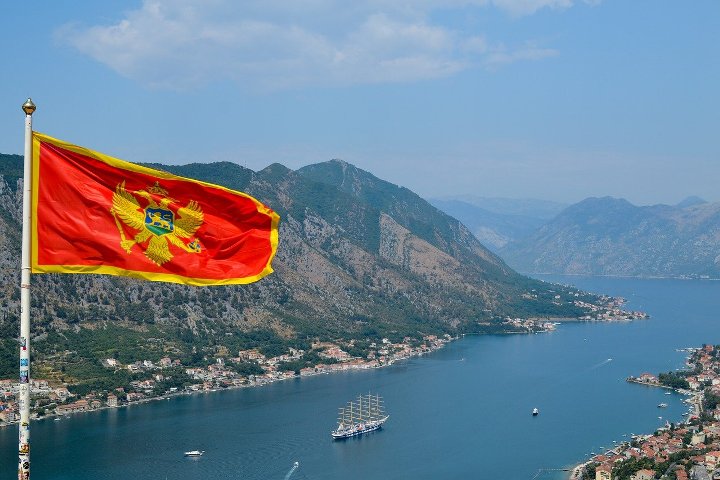
- Country:
- Montenegro
The European Investment Bank (EIB) Group has announced more than €250 million in new financing for Montenegro, marking one of the country's largest recent investment packages and underscoring growing European Union support for Montenegro's accelerated path toward EU membership.
The funding package, unveiled during a high-level visit by EIB Group President Nadia Calviño and EIB Vice-President Robert de Groot, will support critical projects in healthcare modernisation, railway infrastructure, renewable energy deployment, and private sector resilience.
The investments are expected to triple EIB financing in Montenegro this year compared to 2025, reinforcing the country's status as one of the European lender's most significant beneficiaries in the Western Balkans relative to population size and GDP.
During meetings with Montenegrin President Jakov Milatović and Prime Minister Milojko Spajić, EIB officials reaffirmed their commitment to supporting Montenegro's ambition to conclude EU accession negotiations by the end of 2026 and potentially achieve full EU membership by 2028.
€175 Million Railway Upgrade to Strengthen Regional Connectivity
The largest component of the new financing package is a €175 million investment aimed at modernising the strategic railway corridor between the Adriatic port city of Bar and Golubovci, near the capital Podgorica.
The funding includes a €63 million EIB loan combined with a substantial €112 million European Union grant under the Western Balkans Investment Framework.
The rail modernisation project is expected to significantly increase transport efficiency, improve operational safety, strengthen trade flows, and deepen regional integration with European transport networks.
The Bar railway corridor holds major strategic importance for Montenegro and the wider Western Balkans region, serving as a key freight and passenger route linking Adriatic maritime trade with inland Balkan and European markets.
European officials say improved transport connectivity is central to Montenegro's economic development and EU integration ambitions.
"We are supporting Montenegro's efforts to increase transport connectivity and energy security, while fostering regional and EU integration," EIB Vice-President Robert de Groot said.
The railway investment also aligns with broader European Union goals to shift more freight and passenger transport toward lower-emission rail systems as part of Europe's climate and sustainability agenda.
Healthcare System to Receive Advanced Medical Technology
Another major portion of the investment package includes a €27 million loan to Montenegro's Ministry of Health to equip more than 30 public hospitals and clinics with advanced medical technologies.
The healthcare modernisation initiative is expected to strengthen disease prevention capacity, improve diagnostic capabilities, and raise the quality of healthcare services available to citizens across the country.
Officials say the investment will help modernise Montenegro's healthcare infrastructure while improving resilience within the national health system.
Montenegrin Finance Minister Novica Vuković described the healthcare investment as a critical pillar of long-term social and economic stability.
"A healthy population and a strong healthcare system, together with quality infrastructure, form the foundation of a stable society and sustainable economic development," he said.
The healthcare package reflects a broader trend across the Western Balkans, where EU-backed institutions are increasing support for public health infrastructure following lessons learned during the COVID-19 pandemic.
Renewable Energy Push for SMEs
In a significant boost to Montenegro's energy transition agenda, the EIB also approved a €50 million loan to the Development Bank of Montenegro aimed at supporting small and medium-sized enterprises (SMEs) investing in renewable energy and energy efficiency projects.
The financing will establish new credit lines to help businesses deploy clean energy technologies, improve energy efficiency, and reduce operational costs while strengthening resilience against energy market volatility.
The initiative is expected to support Montenegro's wider climate and decarbonisation objectives while improving the competitiveness of domestic businesses ahead of eventual integration into the EU single market.
Development Bank of Montenegro Chief Executive Officer Nikola Tripković said the partnership with the EIB would help strengthen the country's economic resilience and support sustainable growth.
"Through this financial contract, we continue to support SMEs, mid-cap companies, green investments, job creation, youth employment and climate-focused projects, contributing to a more competitive, resilient and greener economy," he said.
EIB Expands Strategic Presence in Montenegro
The announcement also highlights the European Investment Bank's expanding strategic role in Montenegro and the wider Western Balkans.
Since 2009, the EIB Group has committed approximately €1.5 billion to projects across Montenegro covering sectors including education, transport, health, environmental infrastructure, and SME development.
Montenegro is now regarded as the highest EIB beneficiary per capita relative to GDP among Western Balkan and enlargement countries.
In a further sign of long-term commitment, the EIB officially opened a representation office in Montenegro in November 2025, located within the Delegation of the European Union to Montenegro.
EU Ambassador to Montenegro Johan Sattler described the EIB President's visit as a strong signal of Europe's commitment to Montenegro's modernisation and EU integration process.
"The stronger involvement of the European Investment Bank in Montenegro's development is particularly welcome," Sattler said. "These investments are bringing tangible improvements to the lives of Montenegrin citizens and will help Montenegro successfully integrate into the European Union."
Education Infrastructure Also Receives EU Support
During the visit, President Calviño and Vice-President De Groot also visited the renovated "Sergije Stanić" vocational training centre, highlighting EU-backed efforts to modernise Montenegro's educational infrastructure.
The visit reaffirmed ongoing support for the Montenegro Education Programme, which aims to improve school facilities, modernise vocational training, and strengthen learning environments nationwide.
Montenegro's Minister of Education, Science and Innovation, Anđela Jakić Stojanović, said investment in schools and educational facilities represented a long-term investment in national development.
"These projects create safer, higher-quality learning environments and support the country's future social and economic progress," she said.
EU Integration Momentum Accelerates
The investment package comes at a critical stage in Montenegro's EU accession process, with the country widely viewed as one of the most advanced candidates for future EU membership among Western Balkan states.
Prime Minister Milojko Spajić said the agreements signed with the EIB demonstrate international confidence in Montenegro's reform agenda and European trajectory.
"These are investments citizens directly feel through improved quality of life," he said. "They also confirm Montenegro is responsibly implementing reforms and progressing toward full EU membership."
The latest financing package is expected to further strengthen Montenegro's infrastructure, energy security, public services, and economic competitiveness as the country seeks to accelerate convergence with European Union standards.


 Google News