

U.S. Manufacturing Holds Steady Amid Geopolitical Tensions and AI Boost
In May, U.S. factory production remained stable, impacted by Middle East tensions and offset by AI spending. While non-durable goods saw a decrease, durable goods production showed growth. The resolution of geopolitical tensions alongside sustained AI investments promises potential future growth, despite current supply chain disruptions.
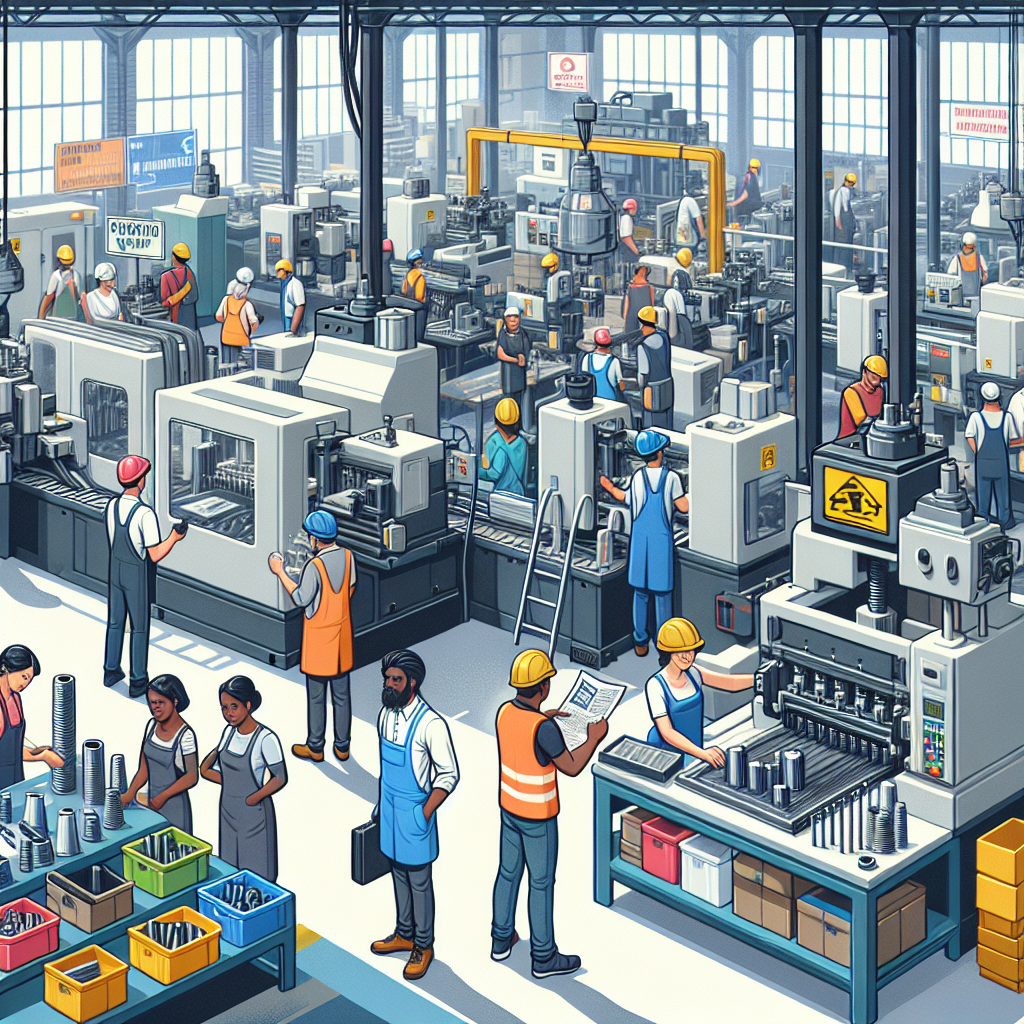
U.S. factory production was stagnant in May, breaking recent growth trends. According to the Federal Reserve, geopolitical tensions contributed to economic uncertainty, though investments in artificial intelligence and business tax incentives continued to provide a safety net for the manufacturing sector.
Data from the New York Federal Reserve highlighted worsening supply availabilities and longer delivery times. The potential resolution of Middle East conflicts may bring stability and support future manufacturing growth, especially with the domestic production of AI-related products on the rise.
Despite these challenges, Wall Street showed optimism with stocks rallying. Analysts are hopeful that if AI investment trends persist and geopolitical tensions ease, the manufacturing sector could regain its momentum in the coming months.


 Google News