

Lagos Secures €170 Million for Electric Ferry Network
The project will introduce a comprehensive waterborne public transport system featuring new ferry terminals, passenger stations, maintenance facilities, and a fleet of fully electric ferries.
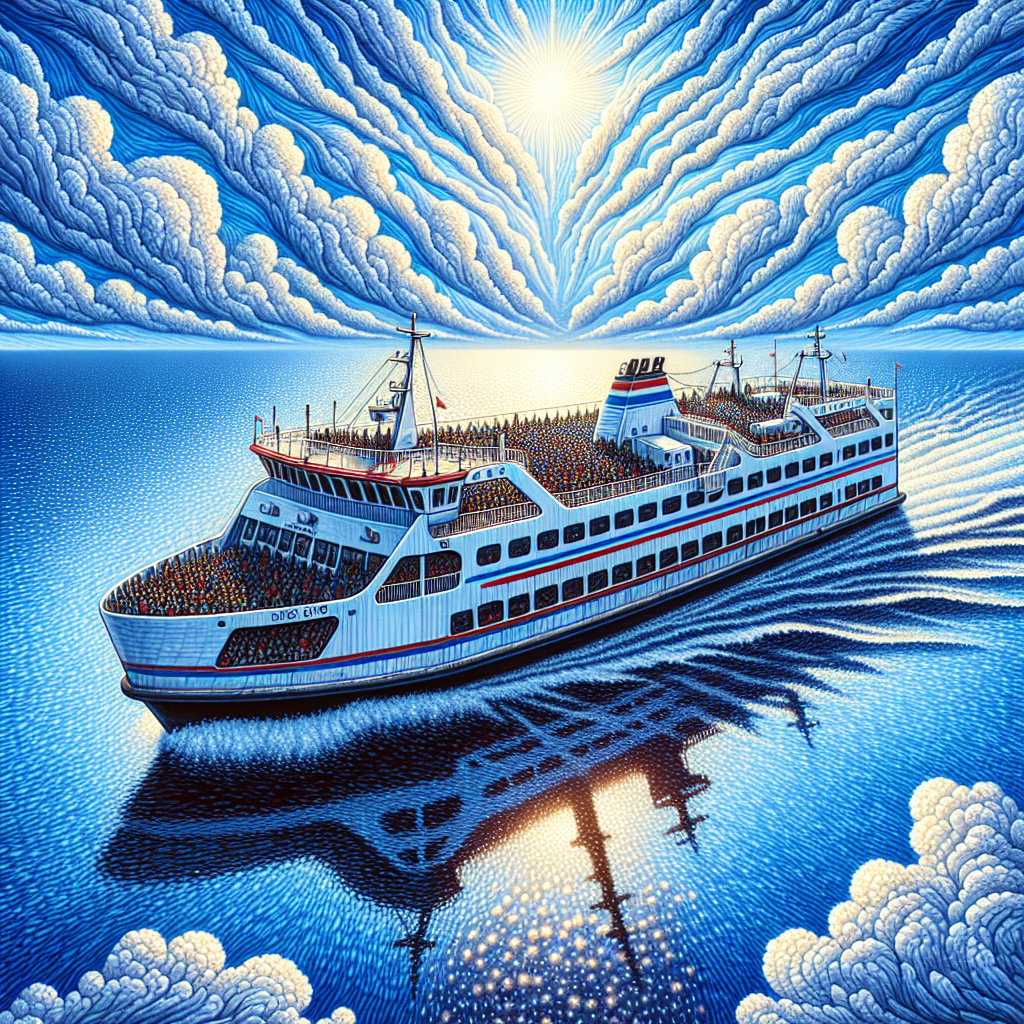
Lagos State has secured a €170 million financing agreement with EIB Global, the development and international partnerships arm of the European Investment Bank (EIB), to support the creation of a modern and sustainable water transport network across the city.
The agreement was signed at the headquarters of the Lagos State Waterways Authority (LASWA) and marks the first partnership between LASWA and the EIB. The funding forms part of the Omi Eko Project, a large-scale initiative designed to improve mobility, reduce congestion, and strengthen transport links across Lagos' extensive waterways.
Supported by an EU guarantee under the Global Gateway Initiative, the project is also backed by the French Development Agency (AFD) and the European Commission, creating a combined financing package worth €410 million.
Electric Ferries and New Infrastructure Planned
The project will introduce a comprehensive waterborne public transport system featuring new ferry terminals, passenger stations, maintenance facilities, and a fleet of fully electric ferries. Plans include the development of 15 structured ferry routes covering approximately 140 kilometres of waterways. These routes will connect 25 upgraded and expanded ferry terminals throughout Lagos and be served by 75 modern electric vessels, each capable of carrying up to 440 passengers.
The shift to electric-powered ferries is expected to reduce greenhouse gas emissions and lower water pollution while providing commuters with a cleaner and more reliable transport option. Officials also expect the project to ease pressure on Lagos' heavily congested road network by offering an alternative mode of travel for millions of residents.
Project Expected to Boost Mobility and Economic Growth
Once completed, the Omi Eko Project is expected to increase the share of water transport in Lagos from less than one percent today to as much as eight percent by 2032, supporting goals outlined in the Lagos State Transport Master Plan. The new transport network is also expected to improve access for communities located along the waterfront, many of which have limited transport options. Faster travel times and lower commuting costs could bring significant benefits for residents who rely on daily travel across the city.
Lagos State Commissioner for Transportation Oluwaseun Osiyemi described the EIB's support as a major step forward and said the state government remains committed to creating the conditions needed for successful project delivery, including transparency, accountability, and strong collaboration with partners. Special Adviser on Blue Economy Oluwadamilola Emmanuel said the agreement represents an important milestone in efforts to unlock the economic potential of Lagos' waterways and strengthen the state's blue economy strategy.
EIB Vice-President Ambroise Fayolle said the project would create a safer, more efficient, and affordable public transport system while supporting sustainable economic growth and employment opportunities. The Omi Eko Project aligns with Nigeria's National Development Plan 2021–2025, which identifies infrastructure investment as a key priority. It also supports several United Nations Sustainable Development Goals and strengthens cooperation between Nigeria and European development partners focused on sustainable urban growth.
ALSO READ
-
African Venture Capital Gets a Boost as Oxford Programme Builds Investor Connections
-
Colombia Bets on Vaccine Manufacturing to Build Health Security and Cut Import Dependence
-
Colombia Gets €15 Million Boost to Build Vaccine Capacity and Cut Import Dependence
-
France Plans Housing Hub to Unlock European Funding and Technical Expertise
-
North Macedonia Defines Green Investment and Unlocks Finance With EIB Support


 Google News