

Caribbean Economies Cut Debt but Revenue Gaps Remain
Caribbean tax revenues averaged about 21 per cent of gross domestic product in 2023, compared with 22 per cent across Latin America and 34 per cent among members of the Organisation for Economic Co-operation and Development.
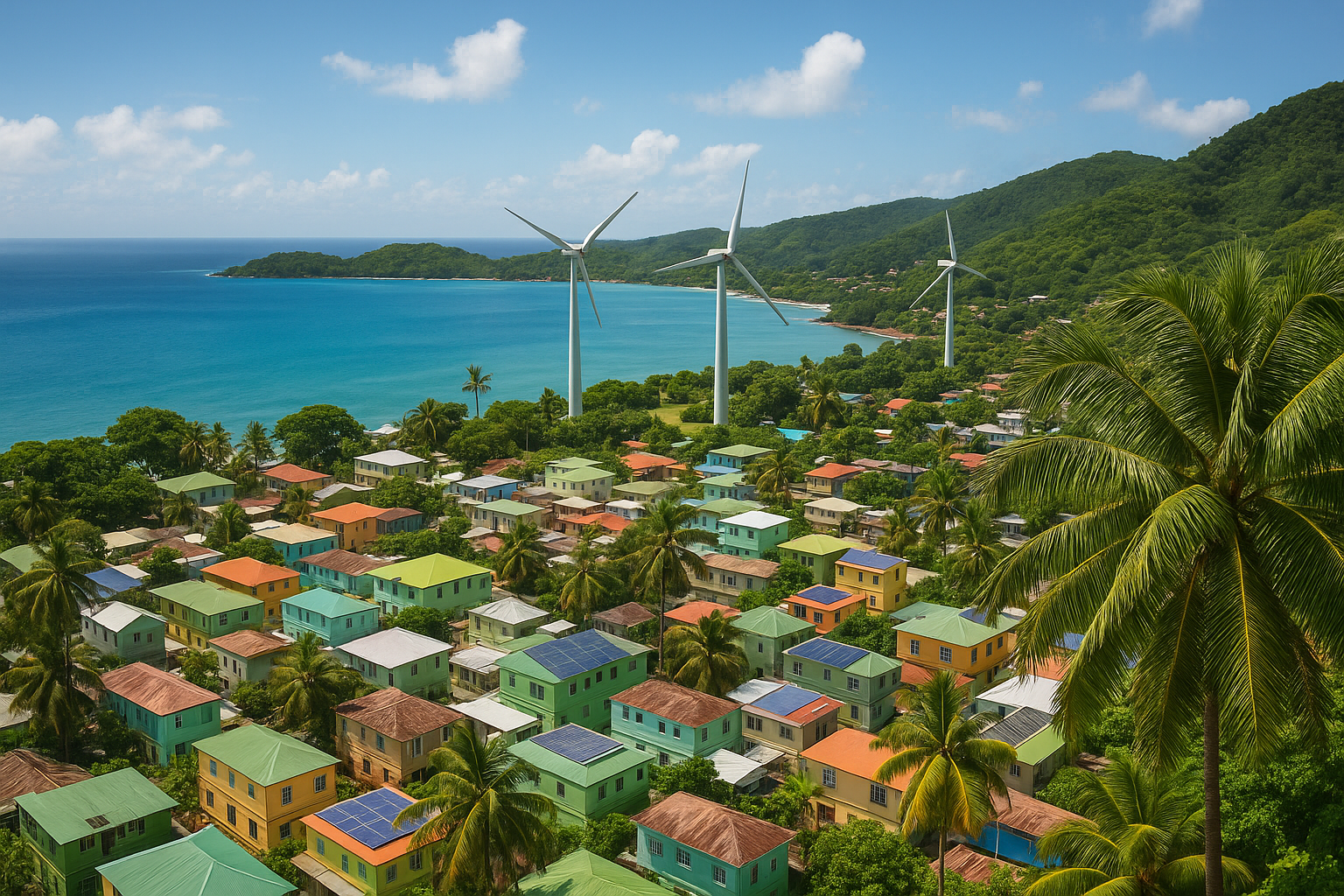
Caribbean economies have made significant progress in reducing public debt and strengthening government finances despite high global interest rates, volatile energy markets and a series of economic shocks, according to a new report from the Inter-American Development Bank.
The latest Caribbean Economics Quarterly examines fiscal and debt trends in six countries covered by the IDB's Caribbean Country Department: The Bahamas, Barbados, Guyana, Jamaica, Suriname, and Trinidad and Tobago. Half of these countries have reduced their debt-to-GDP ratios below levels recorded before the COVID-19 pandemic, which the bank says reflects disciplined fiscal management and stronger institutional frameworks.
The report, titled "Fiscal Resilience, Debt Reduction and Domestic Resource Mobilization in the Caribbean," also cautions that governments are operating in a difficult international financial environment, where borrowing remains expensive and external conditions can quickly place pressure on national budgets.
Debt reduction shows impact of stronger fiscal policies
Caribbean governments have faced an unusually difficult combination of economic pressures during the past decade, ranging from global disruptions and pandemic-related spending to higher borrowing costs and fluctuations in commodity and energy markets.
Anton Edmunds, IDB General Manager for the Caribbean, said countries had navigated those shocks with considerable policy discipline, while the progress on debt demonstrates what governments can achieve when fiscal frameworks remain credible.
The current pressure on regional public finances is linked largely to tighter global financial conditions rather than worsening investor perceptions of Caribbean economies, according to the report. That distinction matters because higher international interest rates can increase debt-servicing costs even when governments are improving their underlying fiscal position.
Reducing debt gives countries more room to respond to future emergencies and invest in development, a particularly important consideration in a region exposed to hurricanes and other climate-related disasters that can quickly create large reconstruction costs.
Caribbean tax revenues remain below international averages
Despite progress on debt, the IDB identified government revenue as a significant weakness. Caribbean tax revenues averaged about 21 per cent of gross domestic product in 2023, compared with 22 per cent across Latin America and 34 per cent among members of the Organisation for Economic Co-operation and Development.
The gap can restrict governments' ability to fund public services, infrastructure and disaster preparedness while continuing to reduce debt. The challenge is not simply collecting more money, with the report placing emphasis on revenue systems that are productive, fair and resilient enough to support development without creating unnecessary economic distortions.
Digital technology could play a larger role in modernising tax administration, making collection more efficient and helping authorities improve compliance. The IDB also points to tax incentives and exemptions as areas that governments could review to determine whether existing arrangements continue to provide enough economic benefit to justify the revenue they cost.
Property taxation is highlighted as another potentially stable source of government income, particularly because it can be less exposed to some of the external shocks that affect trade-related or commodity-based revenues.
Energy producers urged to prepare for revenue swings
The fiscal challenge looks different for Caribbean countries that produce oil and gas, where periods of high commodity prices can deliver substantial government revenues but can also create greater exposure when prices fall.
The report stresses the importance of strong fiscal rules and sovereign wealth funds for these economies, allowing governments to save part of the income generated during stronger periods and reduce the impact of future commodity price swings. Such arrangements can also preserve a share of natural-resource wealth for future generations rather than allowing temporary revenue surges to translate entirely into immediate spending.
For the wider Caribbean, the next stage of fiscal reform will involve balancing several competing needs: keeping debt on a sustainable path, improving revenue collection, funding essential public services and preparing for natural disasters that can rapidly reverse years of economic progress.
The IDB's findings suggest that recent debt reductions provide a stronger starting point for that work, while persistent revenue gaps mean governments will need to continue improving how they collect, manage and invest public resources.


 Google News