

Total export volume falls by 2.5 percent: UN office for Asia-Pacific region
Although economies are expected to bounce back in 2020, ESCAP said they are still facing risks related to trading tensions between the United States and China.
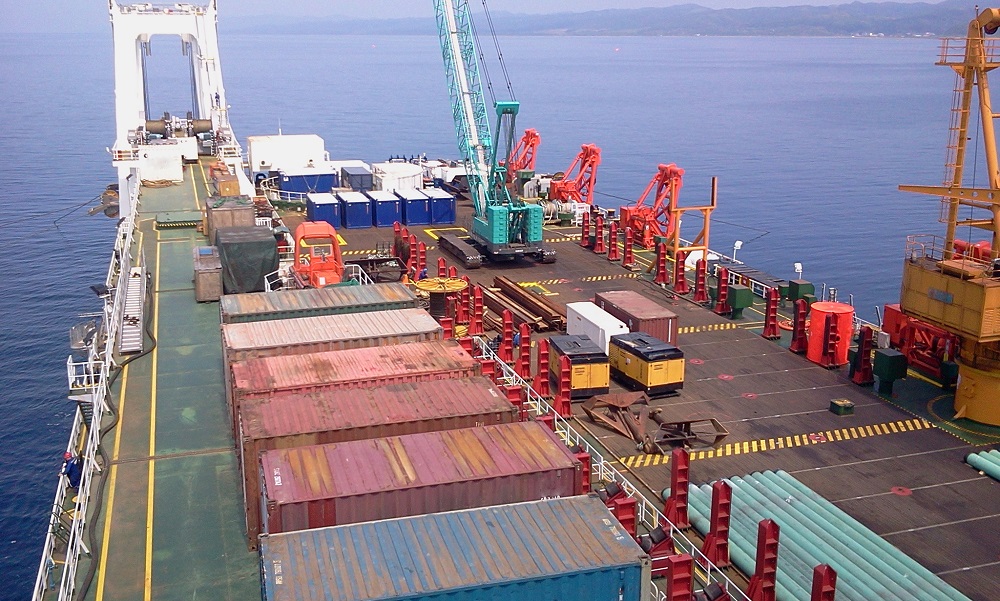
Trade in the Asia-Pacific region has declined for the first time since the global economic crisis a decade ago, the UN office for the region, ESCAP, reported on Wednesday.
Total export volume fell by 2.5 percent this year, while import volume decreased by 3.5 percent.
Although economies are expected to bounce back in 2020, ESCAP said they are still facing risks related to trading tensions between the United States and China.
The global slowdown in economic growth, combined with the heightened tensions, also affected merchandise trade in the region, particularly for economies closely integrated with China.
The UN office estimated that the tariff war's impact on gross domestic product (GDP) could reach as much as $400 billion worldwide and $117 billion in the region.
ESCAP chief Armida Salsiah Alisjahbana said the challenge for Asia-Pacific is to increase trade and deepen economic integration to support sustainable development.
ALSO READ
-
Tanzania’s Growing Economy Puts Better Jobs at the Heart of Its Next Growth Chapter
-
Seychelles Growth Set to Slow to 1% as Tourism Feels the Middle East Conflict’s Impact
-
Central Africa Faces $35.6 Billion Funding Gap as Growth Forecasts Signal Steady Gains
-
Benin’s Growth Surges as $2.43 Billion Annual Funding Need Shapes Its Economic Future
-
How Technology, Institutions and R&D Shape Long-Term Economic Growth


 Google News