

UNICEF’s survey shows 13.2 million out-of-school children in Nigeria
- Country:
- Nigeria
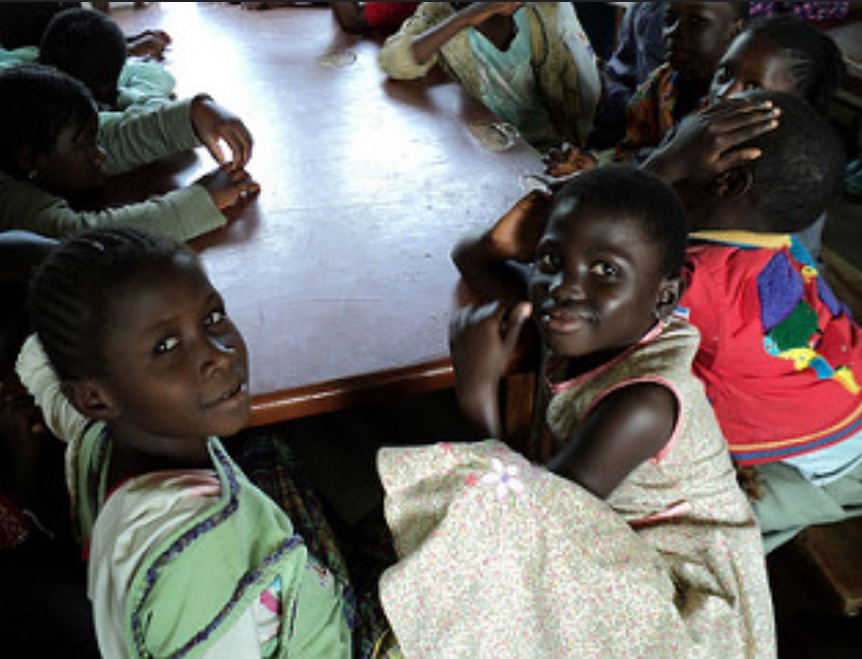
A recent survey accomplished by United Nations International Children's Emergency Fund (UNICEF) claims that the number of out-of-school children has increased from 10.5 million to 13.2 million in Nigeria. UNICEF says that the number is currently the highest over the planet.
According to the survey conducted by UNICEF, the majority of the 13.2 million of out-of-school children are living in Nigeria's northern states of Borno, Yobe and Adamawa. These are the destinations where jihadi militant group Boko Haram has disrupted academic activities.
Most of the children are not attending the school while some have never been to school. A woman, as said in the report, named Favour Shikaan told that she was quite worried about her children's future.
"They are four in number and... two are going to school. The other one is small actually, but even though she's small, she has grown to the stage whereby she can go to school if not the financial...like the two that are going to transport from here to Apo resettlement every day is not easy because there's no money due to our economy today," Shikaan opined, as reported by Voa News.
She and her four children fled a Boko Haram attack in north-eastern Nigeria's Borno state in 2015 to settle in Abuja. But her financial condition only supports two of her children to go to school. The other two assist her in her house works.
One of her daughters, Bright Shikaan, who is just 11 years old, has a dream in her eyes to become a doctor, although she has never been to school.
"I want to be a doctor in the future. But now I'm not going to school, I don't know how I'll be a doctor," she expressed her grief.
The research conducted by UNICEF says that millions of children are just like Bright in Nigeria who are unable to attend school and Borno, Yobe and Adamawa are highly affected places where Boko Haram is constantly waging their campaign against western education since 2009.
According to an education psychologist Mayowa Adegbile, the economic growth in Nigeria is adversely affected due to the increasing number of out-of-school children.
"Sixty percent of that population are girls only, and you know when you bring it back home, every girl becomes a mother or a woman who would in turn take care of other children. And for a woman who goes to school, it has a ripple effect, an economic ripple effect. When she goes to school, she has education, she gets a job, even if she doesn't have a job... even if it's just basic secondary school education, she can communicate basic English and mathematics," Mayowa Adegbile clarified.
On the other hand, the budgetary spending on education in Nigeria is not adequate to fill the widening gap. Just seven percent of the country's overall US $24 billion 2018 budget is earmarked to developed the education sector. However, no new policies have been implemented to enhance education spending.
ALSO READ
-
Lebanon’s Children Cannot Lose More of Their Childhood, UNICEF Chief Urges Action
-
Sudan Shelter Drone Strike Reportedly Kills a Boy and Injures 12 Children
-
Syria’s Returning Children Need Schools, Care and Safe Water to Rebuild Lives
-
Lebanon’s Children Face Hunger, Lost Schooling and Work as Families Reach the Brink
-
UNICEF Praises Jordan’s Progress for Children as Funding Cuts Threaten Vital Services


 Google News