

IAEA Empowers Future Nuclear Workforce through World Youth Skills Day Initiatives
Observed annually on July 15, World Youth Skills Day celebrates the potential of young people as catalysts for change and contributors to a prosperous and sustainable future.
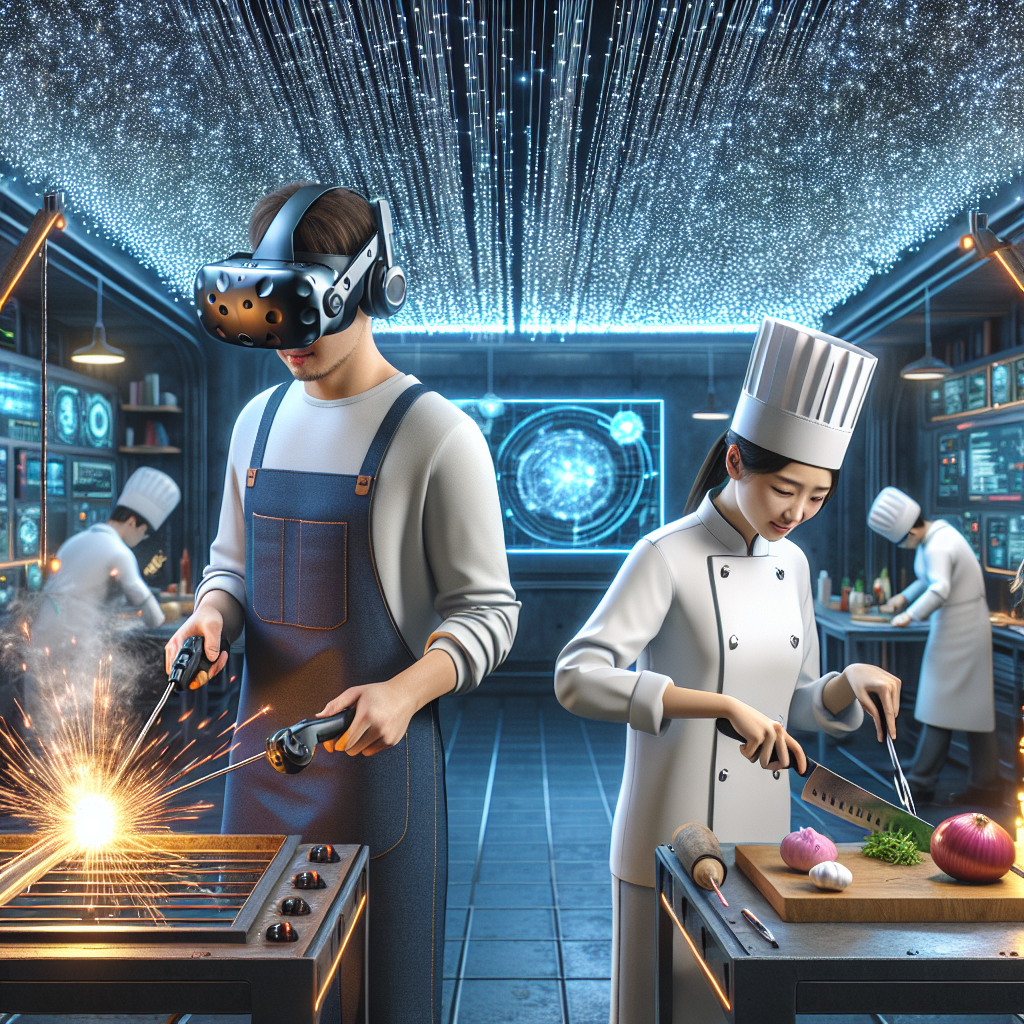
In the lead-up to World Youth Skills Day, young science enthusiasts visited the International Atomic Energy Agency (IAEA) to share their ideas on cultivating a future nuclear workforce equipped with the necessary skills to tackle global challenges such as climate change, food insecurity, and the increasing cancer burden. The event emphasized the importance of inspiring youth to pursue careers in science, technology, engineering, and mathematics (STEM) to achieve ambitious goals, including expanding the role of nuclear energy.
Observed annually on July 15, World Youth Skills Day celebrates the potential of young people as catalysts for change and contributors to a prosperous and sustainable future. It underscores the importance of equipping youth with the skills needed to innovate and address global challenges.
Earlier this month, finalists of the proSTEM Challenge traveled to Vienna to attend the International Conference on Nuclear Knowledge Management and Human Resources Development. During a session on attracting talent to the nuclear sector, these finalists shared their innovative ideas and projects aimed at developing the future STEM workforce.
"The IAEA is dedicated to fostering and empowering the next generation of STEM professionals. By encouraging innovative, inclusive, and diverse ideas and projects, such as those showcased in the IAEA proSTEM Challenge, we help the young generation understand the importance of STEM in addressing global climate emergencies and facilitating the clean energy transition," said Huang Wei, Director of the IAEA Division of Planning, Information and Knowledge Management. "On World Youth Skills Day, we celebrate these young talents who will drive sustainable development and create a brighter future for all."
The IAEA proSTEM Challenge, which received nearly 90 projects from 26 countries, encouraged participants to submit innovative ideas and outreach projects to attract and develop the next generation of the STEM workforce.
"The proSTEM Challenge provided a unique opportunity for many people worldwide to showcase their innovative ideas and contribute to the global effort of inspiring, attracting, and retaining youth in STEM education and careers," said Alesia Iunikova, an IAEA Knowledge Management Specialist.
Voices of Finalists
One standout project, the 'STREAM-clusive Project' from Malaysia, was recognized as the best inclusive project for empowering special needs students. Led by teacher Kuit Vui Ket, this initiative integrates reading and art into STEM education, making it more accessible and relevant for underrepresented groups, including girls and children from diverse ethnic backgrounds in the Asia-Pacific region.
"Fostering the next generation of STEM professionals with a commitment to inclusivity, diversity, and dignity means ensuring that every young mind, from every background and identity, has the chance to shape our future," said Kuit Vui Ket.
The Stemptation Team, awarded for their 'BeSTEM Project', emphasized the importance of STEM education in driving sustainable development and creating a brighter future.
"Our idea is fueled by empathy, driven by passion, and shaped by real-world experiences. We've been there, we understand, and we want to make your journey easier and more inspiring," said the team.
Sophie Osbourne, a PhD student in Physics at the University of Bristol, expressed her hopes for increased participation of young people, especially women, in science fields like nuclear and physics through her 'STEMTok' project, which uses engaging videos on YouTube and TikTok to make science fun for children.
"Nurturing those skills in all, not just those wanting to study STEM subjects, would lead to an enquiring global population that might be able to meet some of our biggest challenges," said Osbourne.
Promoting STEM Education
The IAEA supports STEM education and youth skills development through various initiatives. Last year, in collaboration with the Food and Agriculture Organization (FAO), the IAEA hosted the 'Seeds in Space' comic book contest to inspire youth to explore nuclear science and technology.
The IAEA also fosters regional networks to enhance STEM education through global collaboration among nuclear institutions, ensuring a skilled workforce for the safe use of nuclear technology. They support regional educational networks in Asia, Africa, Latin America, the Caribbean, Eastern Europe, and Central Asia.
Through the Marie Skłodowska-Curie Fellowship Programme (MSCFP), the IAEA offers scholarships and internships to women master's students for research and practical experience in nuclear fields. Programs like MSCFP and the Lise Meitner Programme have supported around 600 women from over 120 countries, promoting gender diversity in STEM. The IAEA will host the International School on Nuclear Security for MSCFP students from August 26 to September 4.
Additionally, the IAEA's International Nuclear Management Academy (INMA) supports universities in establishing master's programs in nuclear technology management, combining advanced management and nuclear technologies to educate future industry leaders.


 Google News