

Modern Education Revolution: NEP's Impact on Indian Education System
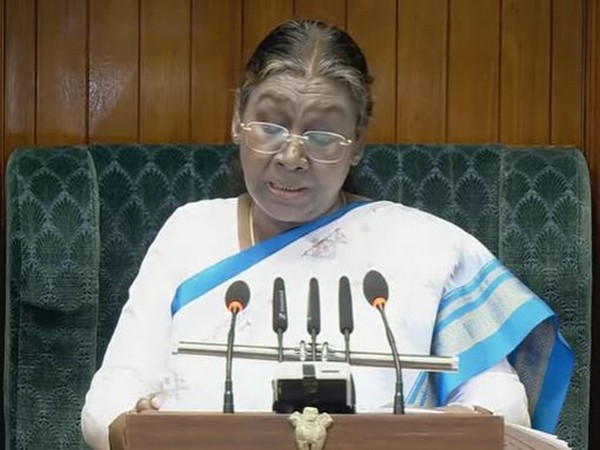
The President of India, Droupadi Murmu, highlighted the establishment of a modern education system under the National Education Policy. Efforts include improved higher education quality, local language exams, and innovation labs. Initiatives like PM Vidyalakshmi aim to support meritorious students and expand employment and research opportunities.
- Country:
- India
In a landmark address to the joint session of Parliament, President Droupadi Murmu emphasized the significant strides made in India's education system through the National Education Policy. She highlighted a decade of substantial growth in the quality and quantity of higher education institutions across the country.
Murmu underscored the government's commitment to ensuring education accessibility by introducing learning opportunities in local languages and conducting exams in 13 Indian languages to break down language barriers. The establishment of over 10,000 Atal Tinkering Labs in schools aims to foster innovation among students.
Furthermore, initiatives like the PM Vidyalakshmi scheme provide financial assistance for students, while the 'One Nation-One Subscription Scheme' grants free access to research materials. The planned Tribhuvan Cooperative University reflects continued efforts to expand educational and research opportunities.
ALSO READ
-
Tanzania’s Young Talent Takes Centre Stage as Skills Competition Opens New Doors
-
Poltava University Reopens With Safer, Greener Spaces for Nearly 3,000 Campus Users
-
How Students With Motor Disabilities View AI Through Lens of Academic Confidence
-
Beyond Green Promises: What Universities Need to Make Sustainability Part of Learning
-
Europe’s Next Tech Giants Get a Boost: EIB Brings Industry Leaders to the Table


 Google News