

Draft National Education Policy suggests HRD to regulate Playschools in India
If implemented, you can get your 3-year-old child admitted in KVs and also in all the government and private schools. The Class –I, will no longer remain entry level for Indian schools but fourth year of schooling in succession.
- Country:
- India
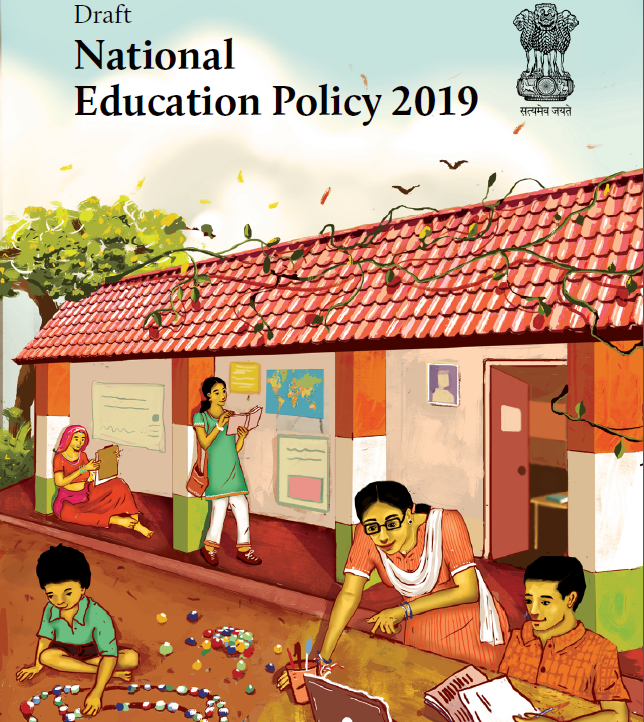
The draft National Education Policy (NEP) - 2019, has proposed to institute an effective and quality regulatory system for play schools in the country. Besides, the proposed policy also recommends to open pre-schools in the existing or new primary schools in the country and lower the age of admission from the existing six years to three years.
"The regulatory system will cover all the pre-school education – private, public, and philanthropic – in order to ensure compliance with essential quality standards," said the policy in section P.1.6. of the draft. "Given the necessity and importance of developmentally appropriate learning during a child's most critical phase of brain development, the availability of free and compulsory quality pre-primary education for all 3 to 6-year-old children will be included as an integral part of the RTE Act 2009. Here, by 'compulsory', it meant that it will be obligatory for the public system to provide appropriate and quality educational infrastructure, facilities and educators to all children in the age group 3-6 years, with a special emphasis on reaching the most socio-economically disadvantaged children through ECCE services," it added. The provision has also been made for training of teachers for play schools as well including six months dedicated course for those involved in Anganwadi system run by the Ministry of Women and Child Development (WCD).
Besides, the policy proposes the government to open play schools or pre-primary schools in their existing primary and new primary schools to cater to the needs of children between 3 to 6 years of age. The policy also suggests strengthening Angawadis and co-locating them with primary schools. "Alternatively, up to three years of quality pre-school for ages 3 to 6 years will be added to existing or new primary schools," recommends the draft policy. It further recommends the Central government to take over full responsibility of play schools under EECE and assign a nodal ministry, preferably Ministry of Human Resource Development (HRD); for the administration of regulation of play schools. "High-quality stand-alone pre-schools will be built in areas where existing Anganwadis and primary schools are not able to take on the educational requirements of children in the range of 3-6 years," recommends the draft.
If adopted, government-run schools like Kendriya Vidyalayas (KVs), Navodaya Vidyalayas, CBSE schools and state government-run schools will admit students at the age of 3 years which is presently 6 years.
As per the existing policy and provisions of Right to Education (RTE) Act 2009, the minimum age for a child to get an entry in the formal schooling system is six years. However, there is a transition period of three years – 3 to 6 years; for every child to which the Ministry of Women and Child Development (WCD) has been assigned the responsibilities. The private players in India cater this three years' period by opening isolated play schools which are largely unregulated or regulated by the local authorities. An increasing number of sexual harassment and accidents in play schools, National Council for Protection of Child Rights (NCPCR) in 2017 issued some guidelines to the state government to regulate these private play schools (http://ncpcr.gov.in/showfile.php?lang=1&level=1&&sublinkid=933&lid=1271) in the country but in absence of any monitoring mechanism, the policy is largely confined on paper.


 Google News