

Differences in Sri Lanka's ruling coalition over LNG deal with US-based firm
Smaller political parties in Sri Lankas ruling coalition have mounted a campaign to halt a deal with a US-based gas company to acquire 40 per cent stake in a state-run power plant.
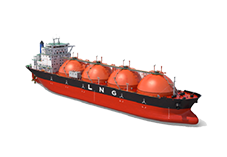
- Country:
- Sri Lanka
Smaller political parties in Sri Lanka's ruling coalition have mounted a campaign to halt a deal with a US-based gas company to acquire a 40 percent stake in a state-run power plant. Leaders of 10 parties in the Sri Lanka People's Party-led coalition held talks with Prime Minister Mahinda Rajapaksa on Thursday and expressed their opposition to the 15-year lease agreement with New Fortress Energy, the New York-based energy giant, claiming it goes against the interests of Sri Lanka. ''The talks ended without a conclusion while we expressed our concerns,'' said Weerasamuna Weerasinghe, a parliamentarian from the Communist Party. Minister of Industries Wimal Weerawansa, another coalition party leader, said they were awaiting the return of President Gotabaya Rajapaksa from the ongoing United Nations General Assembly sessions to present him with a memorandum recording their opposition to the deal. The NASDAQ-listed company announced last week that it had struck a deal to supply state-run Ceylon Electricity Board (CEB) with 1.2 million gallons of liquefied natural gas (LNG) per day through a 310-megawatt combined cycle power plant and a 700-megawatt plant in Kerawalapitiya, 10 km north of capital Colombo. With this, New Fortress Energy will acquire a 40 percent stake in the state-owned Yugadanavi Power Plant in Kerawalapitiya for 15 years. ''New Fortress will initially provide the equivalent of an estimated 1.2 million gallons of LNG per day to the GOSL (Government of Sri Lanka), with the expectation of significant growth as new power plants become operational", a company release said. The petroleum trade unions had alleged the country stood to lose hundreds of millions of dollars through a ''back-door'' LNG deal with the US firm which could be worth up to USD 6 billion. Saumya Manawatu, a Ceylon Electricity Board Engineers Union member, criticized the deal as ''unsolicited'' and said it was ''suddenly struck without open tender''. Privatization and the processes involved to select foreign partners have always been a debatable issue in Sri Lanka. In a similar case, the state-owned Sri Lanka Ports Authority (SLPA) had signed a memorandum of cooperation in May 2019 with India and Japan to develop the Eastern Container Terminal (ECT) during the previous Sirisena government. The Colombo port trade unions opposed the proposal of investors from India and Japan buying a 49 percent stake in the ETC. They demanded the ECT to remain 100 percent owned by the SLPA as opposed to the 51 percent. Under pressure from trade unions, Prime Minister Mahinda Rajapaksa last month agreed to scrap the deal, prompting India and Japan to demand Sri Lanka to abide by its commitment to the trilateral deal.
ALSO READ
-
North Korea's Diplomatic Foray: Kim Son-Gyong at the UN Assembly
-
Buttler's Milestone and Dawson's Magic: England Clinches T20 Series
-
Jos Buttler's Record-Breaking Milestone: England's Unstoppable T20 Streak
-
North Korean Diplomat's High-Stakes U.N. Mission
-
UN Standoff: Palestinian Leader's Address via Video


 Google News