

India's summer-sown crop planting lags, raises output concerns
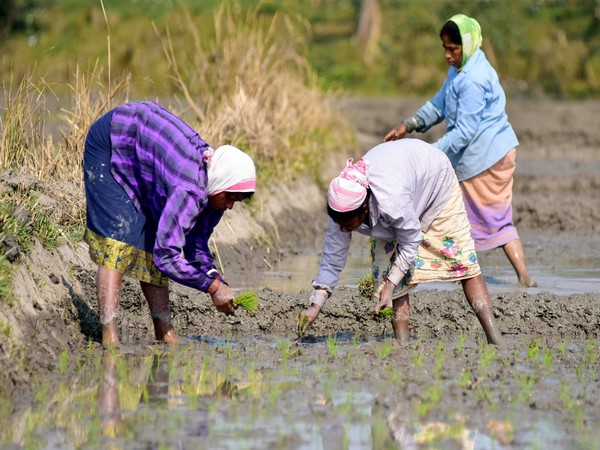
Farmers in India have fallen behind in planting key summer-sown crops such as rice, corn and soybeans due to the uneven distribution of monsoon rainfall, although they could recover ground in the coming week if there is enough rain. As of July 8, 40.67 million hectares had been planted with summer crops, some 9.3% less than a year earlier, according to the Ministry of Agriculture & Farmers' Welfare.
- Country:
- India
Farmers in India have fallen behind in planting key summer-sown crops such as rice, corn, and soybeans due to the uneven distribution of monsoon rainfall, although they could recover ground in the coming week if there is enough rain.
As of July 8, 40.67 million hectares had been planted with summer crops, some 9.3% less than a year earlier, according to the Ministry of Agriculture & Farmers' Welfare. The planting of summer-sown crops takes place in the monsoon months of June and July, while harvesting starts in October.
Some 7.2 million hectares had been planted with rice, well down from 9.5 million hectares in the previous year, the ministry said. "Rainfall deficit is quite high in eastern rice-growing states. Area and yield could fall if these areas don't get ample rainfall in the next few days," said a Mumbai-based dealer with a global trading firm.
India has received normal rains since the start of the monsoon season on June 1, but key rice-producing regions have received as much 46% less rainfall than normal. In July, the most crucial month for the planting summer crops, India is likely to receive monsoon rainfall between 94% and 106% of the long-term average, the weather department said last week.
In southern and central states sowing has gained momentum in the past few days after this region received good rainfall, the dealer said. India is the world's biggest exporter of rice, and accounts for more than 40% of the global rice trade, A reduction in output could prompt New Delhi to curb rice exports.
Some 5.4 million hectares were planted with soybeans, 22% less than a year ago. Corn was planted in 3.18 million hectares, and was down 24%. Sugarcane and cotton planting was almost unchanged at 5.3 million hectares and 8.5 million hectares respectively.
ALSO READ
-
Japanese Lawmakers Visit India to See Worker Protection and Skills Projects in Action
-
Indian Unions Push for Fair Recruitment and Rights for Care Workers in Germany
-
Cleaner Kitchens, Polluted Skies: Hidden Health Cost of India’s Electricity Boom
-
BRICS Leaders Put Health at the Heart of New Delhi Summit’s Push for Lasting Change
-
Japan-Backed ILO Projects Help 23,000 Workers Gain Rights and Fight Child Labour


 Google News