

U.N. nuclear chief delays Ukraine nuclear plant visit over security
U.N. nuclear chief Rafael Grossi delayed a trip to Ukraine's Russian-held Zaporizhzhia nuclear power plant (ZNPP) on Wednesday because of security concerns, diplomats said. Moscow and Kyiv have reported heavy fighting in southern and eastern Ukraine since the start of a Ukrainian counteroffensive. Grossi, the head of the International Atomic Energy Agency (IAEA), said in Kyiv on Tuesday that he was "very concerned" that the nuclear plant could be caught in Ukraine's counteroffensive to retake Russian-occupied territory.
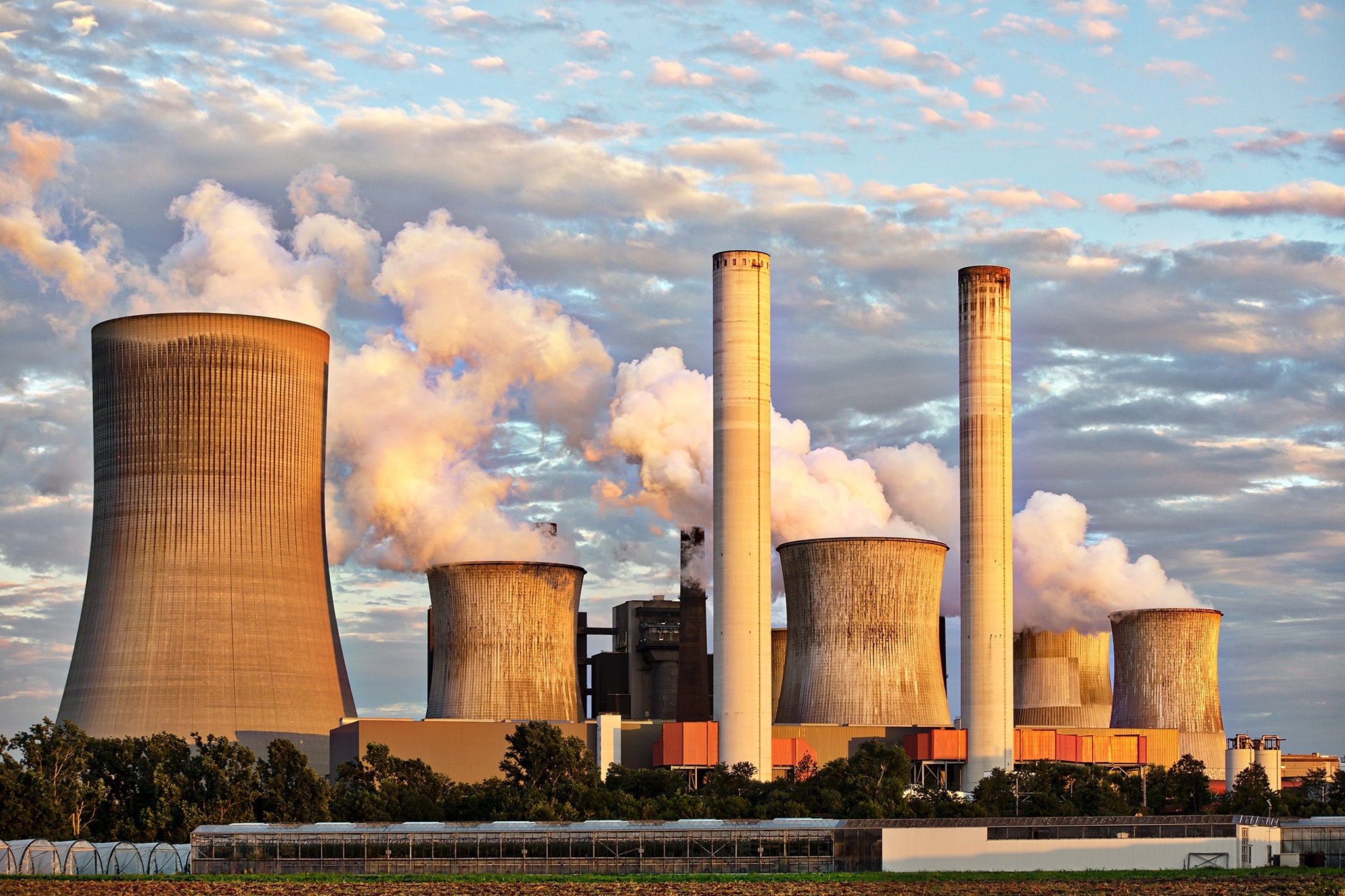
U.N. nuclear chief Rafael Grossi delayed a trip to Ukraine's Russian-held Zaporizhzhia nuclear power plant (ZNPP) on Wednesday because of security concerns, diplomats said. Grossi had been expected to visit the facility on Wednesday following talks with President Volodymyr Zelenskiy in Kyiv on Tuesday, but a diplomatic source said the visit would be delayed by "some hours".
"Security checks are currently being conducted, in view of the general situation in the region. The Director General's mission to the ZNPP is expected to take place soon," the diplomatic source said. Russian news agency Interfax quoted a Russian-installed local official as saying Grossi would visit on Thursday.
"He's waiting to be able to travel safely," a senior Ukrainian government official told Reuters. The official did not say when Grossi would arrive at the plant in southeastern Ukraine. Moscow and Kyiv have reported heavy fighting in southern and eastern Ukraine since the start of a Ukrainian counteroffensive.
Grossi, the head of the International Atomic Energy Agency (IAEA), said in Kyiv on Tuesday that he was "very concerned" that the nuclear plant could be caught in Ukraine's counteroffensive to retake Russian-occupied territory. The IAEA said on Sunday it needed access to a site near the Zaporizhzhia plant to check water levels after the nearby reservoir lost much of its water because of the destruction of the Kakhovka dam downstream on the Dnipro River.
The two sides have accused each other of sabotaging the dam, leading to flooding. Western countries are still gathering evidence but believe Ukraine had no reason to inflict such a disaster on itself. Satellite images from June 13 confirmed a sharp drop in the level of the Dnipro since the dam was destroyed.
Russian forces captured the hydroelectric dam and the nuclear plant in southern Ukraine shortly after their February 2022 invasion. The Zaporizhzhia nuclear plant uses a cooling pond to keep its six reactors from potentially disastrous overheating.
The Kakhovka reservoir was normally used to refill the pond but cannot do so now because of its falling water level, Ukrainian nuclear authorities have said. Instead, the pond, which is separated from the reservoir, can be replenished using deep underground wells, they said. (Additional reporting by Tom Balmforth and Anna Pruchnicka, Editing by Timothy Heritage)


 Google News