

DWS Implements Measures to Tackle Municipal Water Debt Crisis
While acknowledging that not all municipalities are delinquent in their payments, Majodina warned that non-payment by a few municipalities can cause severe financial difficulties for the respective water boards.
- Country:
- South Africa
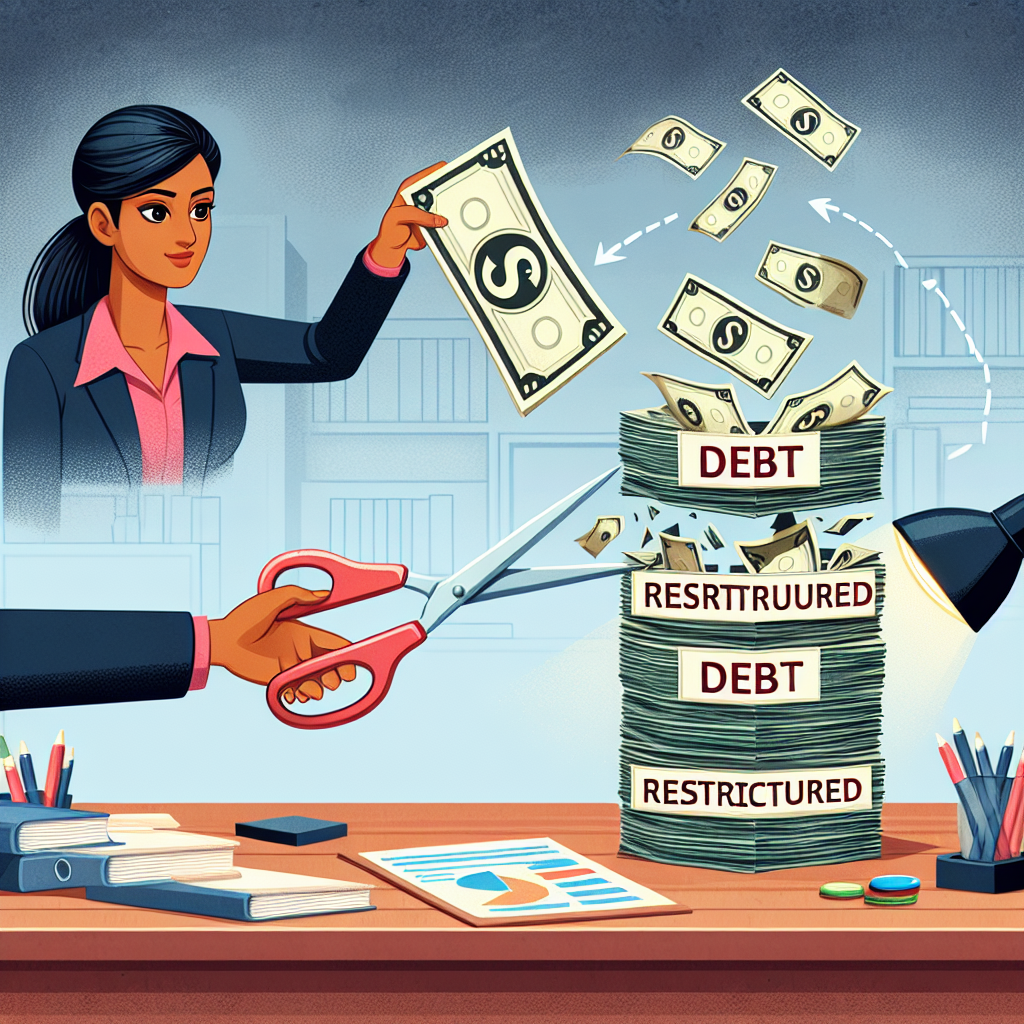
In a bid to address the escalating water debt owed by municipalities, the Department of Water and Sanitation, along with water boards, has strengthened and standardized debt collection processes and introduced incentives for municipalities to pay their water board bills.
Presenting the Water and Sanitation Budget Vote on Friday, Water and Sanitation Minister Pemmy Majodina revealed that municipal debts to the water boards had surged to R21.3 billion by May 2024, posing a significant risk to the financial sustainability of the entire water sector.
Minister Majodina explained that this mounting debt forced the department to shut down the Sedibeng Water Board in 2022, transferring its functions, including assets and liabilities, to the Vaal Central and Magalies Water Boards. "The debts owed by municipalities to Sedibeng Water had rendered it unable to service its own debts and meet its operational expenditure requirements. However, transferring Sedibeng's operations did not solve the underlying debt problem, and the municipal debt continues to grow," Majodina stated.
Non-payment by municipalities threatens the financial stability of all water boards, with the department expressing particular concern over Magalies Water and Vaal Central Water, which face increasing cash flow challenges due to non-payment. "One of our immediate priorities will be to work with our colleagues in Cabinet, particularly the Minister of Finance and the Minister of Cooperative Governance and Traditional Affairs, to find a sustainable solution to this problem," Majodina emphasized.
While acknowledging that not all municipalities are delinquent in their payments, Majodina warned that non-payment by a few municipalities can cause severe financial difficulties for the respective water boards.
For the 2023/24 financial year, the National Government allocated R61.7 billion in water and sanitation-related grants to municipalities to address infrastructure backlogs and provide free basic water to indigent communities. Despite these grants, the water services sector must primarily be self-financing through revenues from water sales.
Utilizing Infrastructure for Economic Activities
To ensure the department's assets contribute towards the Government of National Unity's objectives, Majodina announced plans to utilize its infrastructure for various economic activities, including promoting tourism, recreation, and reducing load shedding by using dams for hydropower generation.
Majodina noted that during the last financial year, the department issued an expression of interest for access rights to state dams for tourism and recreation activities, aiming to promote economic development, especially for communities near dams. These expressions of interest will be processed in the current financial year.
"In consultation with the Ministry of Energy and Electricity, the department has also issued requests for applications from interested parties to generate hydropower using water courses and departmental water infrastructure. This process received interest from over 200 applicants, aiming to generate 2,845 Megawatts of electricity from water sources. To date, the department has issued 40 authorizations for floating solar panels, with the remaining applications to be processed this financial year," Majodina reported.
These initiatives underscore the department's commitment to enhancing financial sustainability, promoting economic development, and addressing the challenges facing the water sector.


 Google News