

India's Bold Energy Transition Plan Emphasizes Nuclear and Renewable Innovations
The Indian government revealed its 2024-25 Budget, focusing on small modular nuclear reactors (SMRs), pumped-storage projects, and advanced thermal plants for its energy transition. The plan includes collaboration with private firms, promoting climate finance, and a shift in high-emission industries from energy efficiency to emission targets, aiming for sustainable growth.
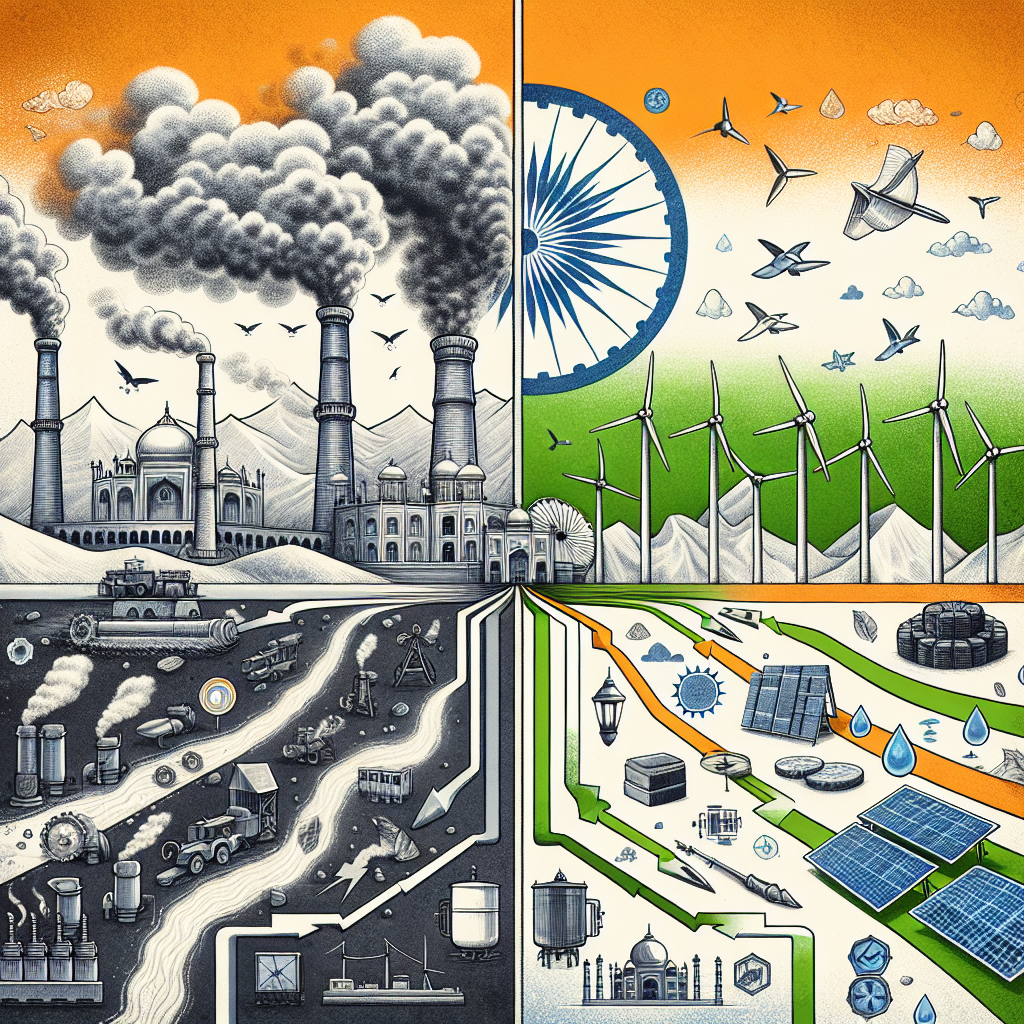
In a significant move, the Indian government announced its 2024-25 Budget plan on Tuesday, prioritizing the development of small modular nuclear reactors (SMRs), pumped-storage projects, and advanced thermal plants as part of its energy transition strategy.
Union Finance Minister Nirmala Sitharaman, presenting the budget in the Lok Sabha, highlighted the government's collaboration with private firms to develop SMRs and research advanced technologies, aiming to boost nuclear power's share in India's energy mix.
A roadmap will also be created to transition high-emission sectors—such as shipping, aviation, and steel—from energy efficiency to emission reduction targets, balancing employment, growth, and sustainability with new energy-transition pathways and climate finance taxonomies.
Chief Economic Advisor V Anantha Nageswaran commented on the effective strategy of combining factory-made SMRs with standardized heavy water reactors to rapidly scale nuclear power capacity.
Additionally, pumped-storage projects will be introduced to store electricity and integrate renewable energy's variable nature efficiently. Indigenous technology for advanced thermal power plants will be promoted, with joint ventures being set up and fiscal support provided by the government.
Regulations and financial support will be established to help traditional micro and small industries transition to cleaner energy forms and implement energy-efficiency measures, as efforts to reduce carbon footprint intensify.
ALSO READ
-
Carbon Capture Could Cut Solar Power Waste and Battery Needs Across ASEAN
-
World Bank Backs Serbia’s Gas Network With $600M for Decade of Energy Upgrades
-
Cleaner Kitchens, Polluted Skies: Hidden Health Cost of India’s Electricity Boom
-
Clean Cooking Takes Centre Stage as Africa Pushes to Protect Nearly a Billion Lives
-
AfDB and Brazil Deepen Mali Cooperation on Food, Jobs and Energy


 Google News