

SARB Governor Highlights Global and Domestic Economic Challenges
Kganyago emphasized that while the world is navigating a slow recovery from the pandemic, new economic hurdles are emerging.
- Country:
- South Africa
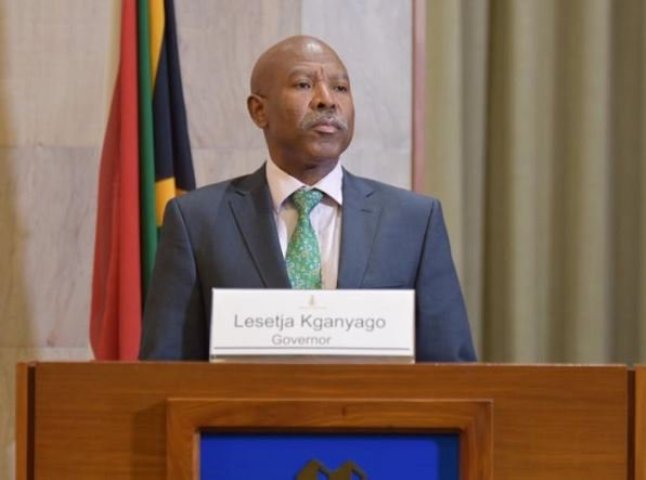
South African Reserve Bank (SARB) Governor Lesetja Kganyago has outlined the ongoing global and domestic economic challenges during the 104th annual Ordinary General Meeting of the SARB shareholders in Pretoria. Kganyago emphasized that while the world is navigating a slow recovery from the pandemic, new economic hurdles are emerging.
The global economy remains on a protracted recovery path from the pandemic, marked by persistent risks and vulnerabilities. Despite recent improvements, inflation remains high, and global public debt has reached record levels. Kganyago noted that although global inflation decreased from 8.7% in 2022 to 6.8% in 2023 and continues to ease in 2024, it still exceeds the 2–3% targets many countries aim for.
He pointed out that restrictive monetary policies and improvements in supply chains have helped reduce inflation from its 2022 peaks. However, global disinflation has slowed, as evidenced by the US consumer price inflation, which remains at 3% against a 2% target. The pace of disinflation reflects varying inflation patterns across economies, with some facing rising wages and persistent demand for services, while others grapple with fiscal challenges and currency depreciations.
Kganyago also highlighted the impact of technological developments, which present both cybersecurity risks and the potential for significant productivity boosts. Despite these challenges, global economic activity has shown resilience, with growth surprising at 3.3% in 2023. However, growth rates are expected to remain below pre-pandemic trends due to protectionist measures, tight financial conditions, and uncertain policy trajectories.
Turning to domestic economic conditions, Kganyago noted that while South Africa's economy grew at a slower rate of 0.7% in 2023 compared to 1.9% in 2022, employment levels have recovered to pre-pandemic levels. Nevertheless, job creation has been insufficient to keep up with the growing labor force, resulting in a high unemployment rate of 32.9% as of the first quarter of the year.
The South African economy has been weighed down by load shedding and logistical challenges, which have dampened business credit appetite and household spending. Despite strong terms of trade, exports and imports have been affected by energy and logistics issues. Kganyago anticipates that as these constraints ease, the domestic economy will grow by 1.1% in 2024 and rise to 1.7% by 2026.
In terms of inflation, South Africa's headline inflation has moderated from 6.9% in 2022 to an average of 6% in 2023. However, this masks underlying volatility, with inflation fluctuating between 5% and 6% due to variations in fuel, food, and services prices. Core inflation, which rose to 5% in February due to medical insurance costs, has since decreased to 4.5% as of June.
The SARB forecasts core inflation to average 4.6% for 2024, down from 4.8% in 2023. Although inflation expectations have eased, they remain above the midpoint of the target band. Consequently, the Monetary Policy Committee (MPC) has decided to maintain the repurchase (repo) rate at 8.25%, a level established in May 2023.
Kganyago's remarks underscore the complex and evolving nature of the global and domestic economic landscape, highlighting the ongoing challenges and the SARB's cautious approach to monetary policy amid these uncertainties.


 Google News