

FAO and IFAD Launch $282M Global Food Systems Transformation Program at UNCCD COP16
The Food Systems Integrated Program Targets Sustainability, Resilience, and Inclusivity Across 32 Countries.
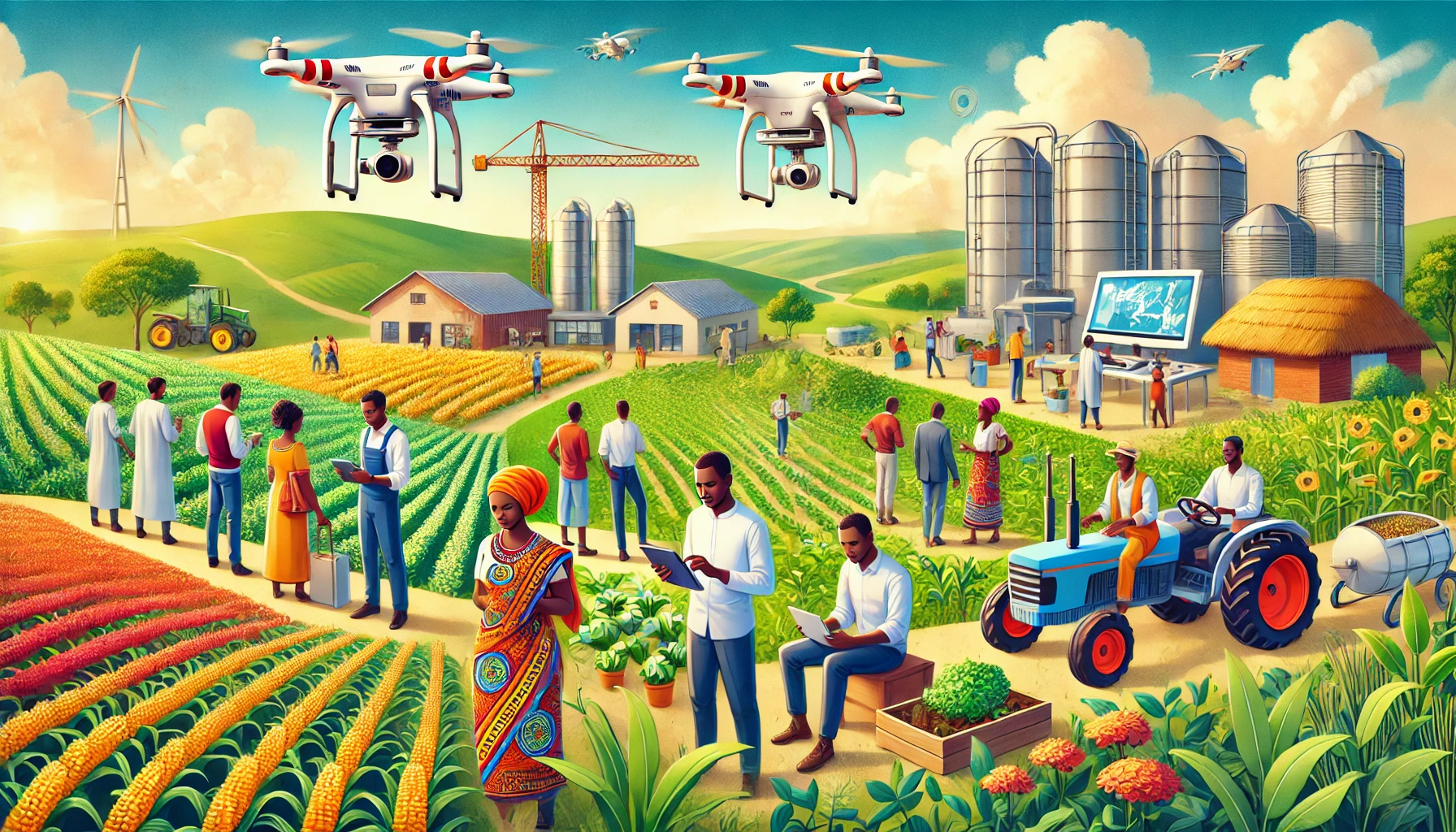
The Food and Agriculture Organization (FAO) and the International Fund for Agricultural Development (IFAD) have launched the Food Systems Integrated Program (FSIP), a groundbreaking initiative aimed at transforming global agrifood systems to be sustainable, nature-positive, resilient, inclusive, and pollution-free.
The program, supported by $282 million in funding from the Global Environment Facility (GEF) and an additional $1.8 billion in co-financing, was unveiled on Agrifood System Day during the 16th Conference of the Parties (COP16) of the United Nations Convention to Combat Desertification (UNCCD) in Riyadh, Saudi Arabia.
A Comprehensive Approach to Agrifood Systems
FSIP focuses on four major agrifood sectors—crops (maize, rice, and wheat), commodities (cocoa, palm oil, and soy), livestock, and aquaculture—in 32 countries spanning Africa, Asia, Latin America, and the Pacific. The initiative will develop policies, strengthen value chains, and promote sustainable practices to address pressing global challenges, such as:
- Methane reduction in livestock and rice production.
- Deforestation prevention in palm oil and livestock sectors.
- Promotion of aquaculture as a sustainable protein source.
- Integrated landscape management to enhance productivity and environmental health in maize and wheat cultivation.
In addition, FSIP will encourage sustainable practices for key commodities like cocoa and soy, ensuring long-term benefits for ecosystems and communities.
"This initiative exemplifies the global commitment to transforming agrifood systems to address critical environmental and socioeconomic challenges. By tackling biodiversity loss, land degradation, and climate change, FSIP is paving the way for a resilient and sustainable future," said FAO Director-General QU Dongyu at the launch.
Bridging Global Agendas
FSIP aligns with international frameworks such as the Kunming-Montreal Global Biodiversity Framework, the Paris Agreement, and the Land Degradation Neutrality targets. It also builds on GEF's decade-long investments in food systems through initiatives like the Good Growth Partnership and the Food Systems, Land Use, and Restoration Impact Program.
The program responds to declining investments in agrifood systems—currently accounting for less than 5% of total global climate finance—and addresses gaps highlighted during recent UN conferences on biodiversity (CBD COP16) and climate change (UNFCCC COP29).
Global Coordination and Local Impact
The FSIP's Global Coordination Project will oversee the design and launch of 32 country projects within the next year. Coordination hubs will focus on policy, governance, private sector investments, and landscape-level innovation. These hubs aim to build communities of practice, facilitate knowledge sharing, and ensure projects achieve maximum impact.
For example, in Ghana, FSIP will support sustainable cocoa production by integrating agroforestry systems and promoting climate-resilient farming techniques, benefiting smallholder farmers and biodiversity conservation efforts.
In Indonesia, the initiative will work to curtail deforestation in palm oil production by introducing sustainable plantation practices and enhancing transparency in value chains.
A Path Toward Global Food Security and Sustainability
The FSIP underscores the critical role of partnerships in achieving systemic change across the agri-food sector.
"By combining our resources and expertise, we can amplify the impact of individual projects to create a truly global movement toward sustainable agrifood systems," said IFAD President Alvaro Lario.
With its ambitious goals and international support, FSIP marks a significant step toward addressing the complex challenges of food security, climate resilience, and environmental sustainability in vulnerable regions worldwide.


 Google News