

Global Labour Markets Strengthen, but Inequalities Persist: ILO Chief Calls for Inclusive Growth at Riyadh Conference
To achieve long-term labour market stability, Houngbo urged investment in education and skills training, especially in AI-driven industries and the green economy.
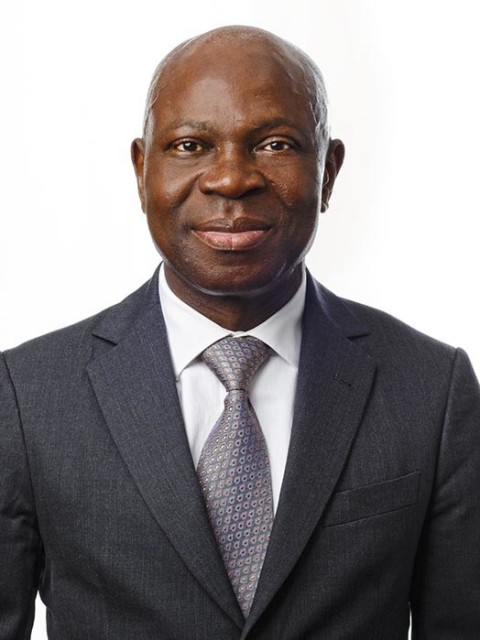
The global labour market has shown remarkable resilience, with unemployment rates at historic lows, improved job quality, and increased formal employment, according to International Labour Organization (ILO) Director-General Gilbert F. Houngbo. Speaking at the second Global Labour Market Conference (GLMC) in Riyadh, Saudi Arabia, Houngbo emphasized the need for urgent action to ensure that the benefits of progress are shared equitably across all sectors of society.
Addressing global leaders, Houngbo recognized the positive developments in labour markets worldwide but highlighted ongoing inequalities, including:
- Youth unemployment, which remains alarmingly high in many countries.
- Persistent decent work deficits, especially affecting women, youth, and marginalized groups.
- The impact of digitalization, climate action, and demographic changes reshaping the world of work.
- The compounded pressures of global crises, including armed conflicts, extreme weather events, and political instability, which threaten job security.
"We must create inclusive labour markets that work for everyone," Houngbo said. "There is no single recipe or magic bullet, but through collective action and shared learning, we can drive meaningful change."
A Roadmap for Inclusive and Sustainable Labour Markets
To achieve long-term labour market stability, Houngbo urged investment in education and skills training, especially in AI-driven industries and the green economy. He also called for:
- Structural labour market reforms to adapt to changing economic and technological landscapes.
- Enhanced social protection systems to shield workers from economic shocks.
- Stronger social dialogue to ensure that governments, employers, and workers collaborate effectively.
- Fostering equitable access to job opportunities, particularly for those in informal employment sectors.
Global Coalition for Social Justice and Saudi Arabia's Role
Highlighting the importance of international cooperation, Houngbo encouraged leaders to engage with the Global Coalition for Social Justice, an ILO-led initiative aimed at strengthening global collaboration on social justice policies. He praised Saudi Arabia's leadership in fostering discussions on the future of work and commended the Kingdom's ongoing labour market reforms.
As part of the conference, Houngbo participated in a Ministerial Roundtable and held bilateral meetings with over 40 labour ministers, including Saudi Arabia's Minister of Human Resources and Social Development, Ahmad bin Sulaiman AlRajhi.
ILO and Saudi Arabia Sign Landmark Agreement
In a significant development, Houngbo and AlRajhi signed a memorandum of understanding (MoU) to expand cooperation between the ILO and Saudi Arabia. The agreement focuses on:
- Strengthening labour market reforms in the Kingdom.
- Addressing decent work gaps through improved policies.
- Ensuring the effective implementation of labour rights and protections.
"This agreement underscores Saudi Arabia's commitment to labour market improvements and aligns with ILO's broader mission of ensuring Decent Work and Social Justice worldwide," Houngbo noted.
Conclusion: A Call for Collective Action
As the world grapples with new economic realities, Houngbo urged global leaders to adopt inclusive labour policies that address inequalities while maximizing opportunities presented by digitalization, climate action, and demographic shifts.
Through sustained collaboration, investment in workforce development, and stronger international cooperation, the global community can build a fairer, more resilient labour market that works for all.


 Google News