

Iraq’s Commitment to OPEC+: Balancing Oil Production and Regional Challenges
Iraq reinforces its commitment to the OPEC+ agreement, pledging an updated plan to compensate for overproduction. Talks with Saudi Arabia and Russia highlight ongoing efforts to manage output amidst regional complexities, including Kurdish oil exports and international pressures, with scheduled OPEC+ supply increases set for April.
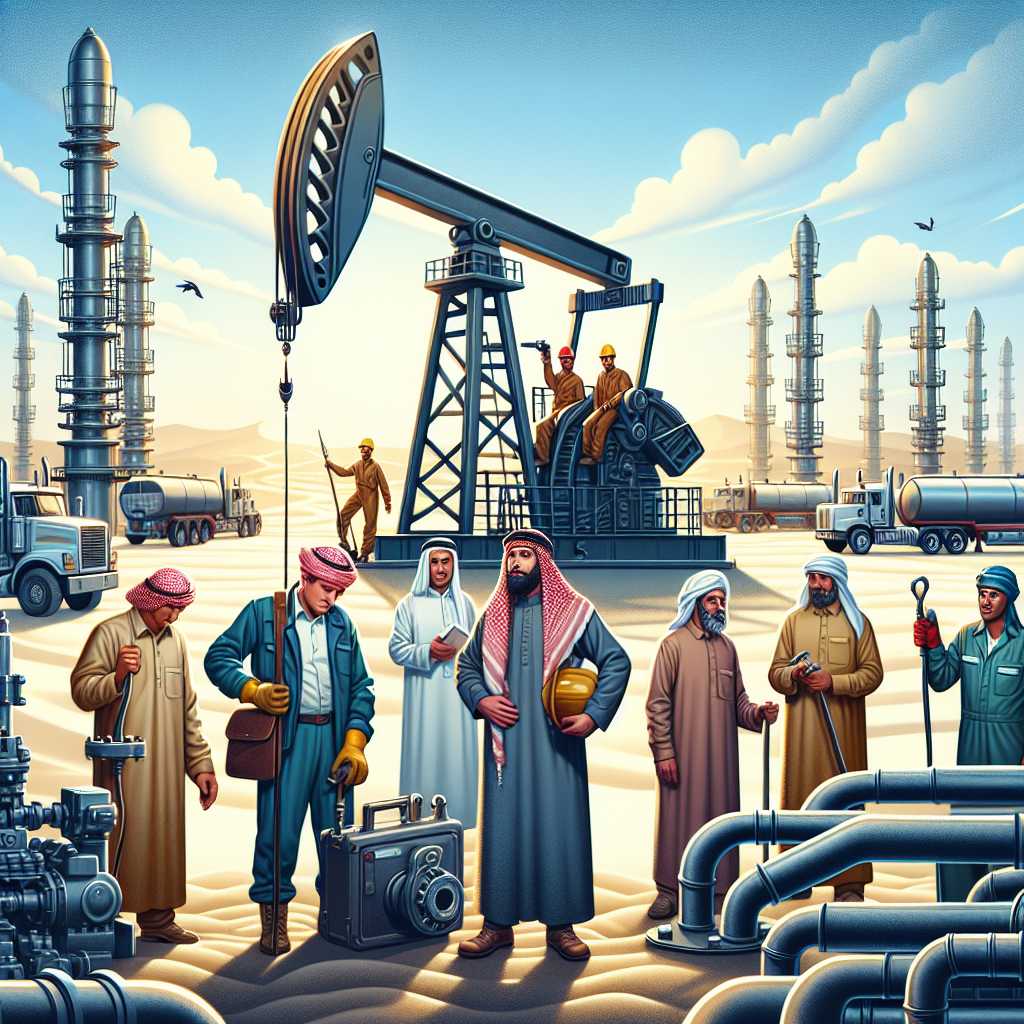
Iraq has reaffirmed its adherence to the OPEC+ production agreement, pledging to compensate for past overproduction through an updated plan, as stated by the Iraqi oil ministry. The nation’s oil production strategies continue to be shaped by regional dynamics.
In discussions with key figures, including Saudi Arabia's Energy Minister Prince Abdulaziz bin Salman and Russia's Deputy Prime Minister Alexander Novak, Iraq's oil minister highlighted efforts to address output concerns while considering upcoming oil exports from the Kurdistan Regional Government (KRG). These talks come as OPEC+ plans to increase supply in April, counterbalancing current global demand and supply scenarios.
Amid pressures from the U.S. regarding Kurdish oil exports and after a lengthy legal dispute with Turkey, Iraq is navigating complex international relations. Iraqi officials reaffirmed their commitment to compensatory production adjustments. Meanwhile, narrative tensions loom as the nation strives to resume oil flows, crucial for its economic stability.


 Google News