

Climate Change and Coffee Cultivation's Irrigation Revolution
In Brazil, coffee farming is transforming due to climate-induced droughts. Industrial-scale farms like Joha in Bahia are leading with irrigation systems that promise a prosperous harvest. Climate change, however, strains water resources and complicates irrigation, making coffee cultivation increasingly challenging and expensive.
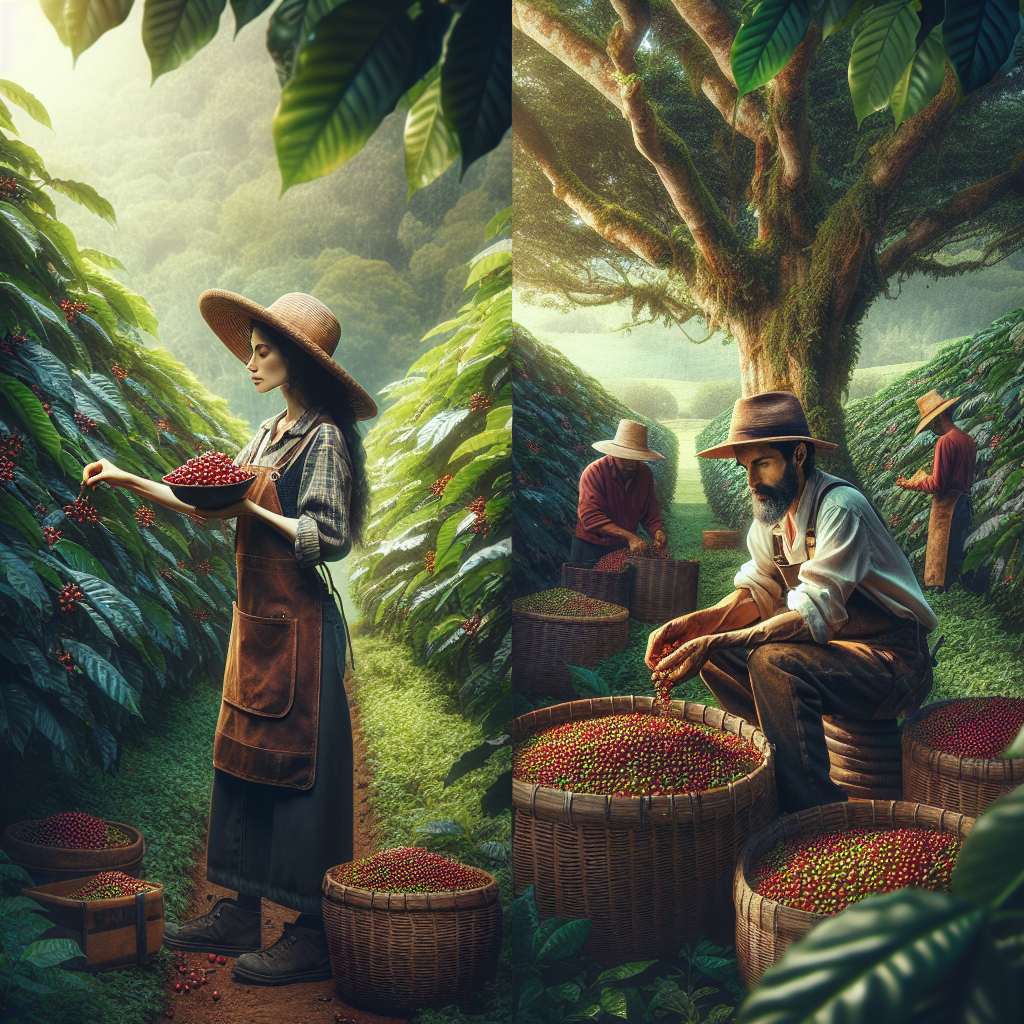
Brazilian coffee farmers face challenges due to persistent droughts, with irrigation systems increasingly crucial for maintaining yields. The Joha farm in Bahia exemplifies this shift, boasting expansive irrigation networks that promise bountiful harvests despite climate adversities, underscoring Brazil's role as a top coffee producer.
The reliance on irrigation highlights an evolving agricultural sector, where water scarcity is transforming traditional practices. Farmers in regions like Minas Gerais are struggling with depleted water tables, complicating efforts to irrigate and forcing costly investments in water infrastructure.
Moreover, the economic impact is palpable, as global demand for coffee outpaces supply, driving prices upward. This shift has not only altered farming strategies but also highlighted the urgent need for sustainable water resource management to secure the future of coffee cultivation in Brazil.
ALSO READ
-
Brazil’s Tax Reform Gets IDB Loans for State Finances and Public Services
-
São Paulo’s $460M Ferry Overhaul Brings Electric Vessels and New Local Jobs
-
Brazil’s Paraíba Secures $50 Million to Build Stronger Water and Sanitation Services
-
AfDB and Brazil Deepen Mali Cooperation on Food, Jobs and Energy
-
Brazil's Presidential Runoff: Lula vs. Bolsonaro in Tight Race


 Google News