

The World's Largest Hydropower Dam Begins on the Tibetan Plateau
China has commenced construction on the world's largest hydropower dam on the Tibetan Plateau, a $170 billion project that aims to meet energy demands while sparking economic growth. Despite benefits, concerns arise over environmental impact and potential effects on millions downstream in India and Bangladesh.
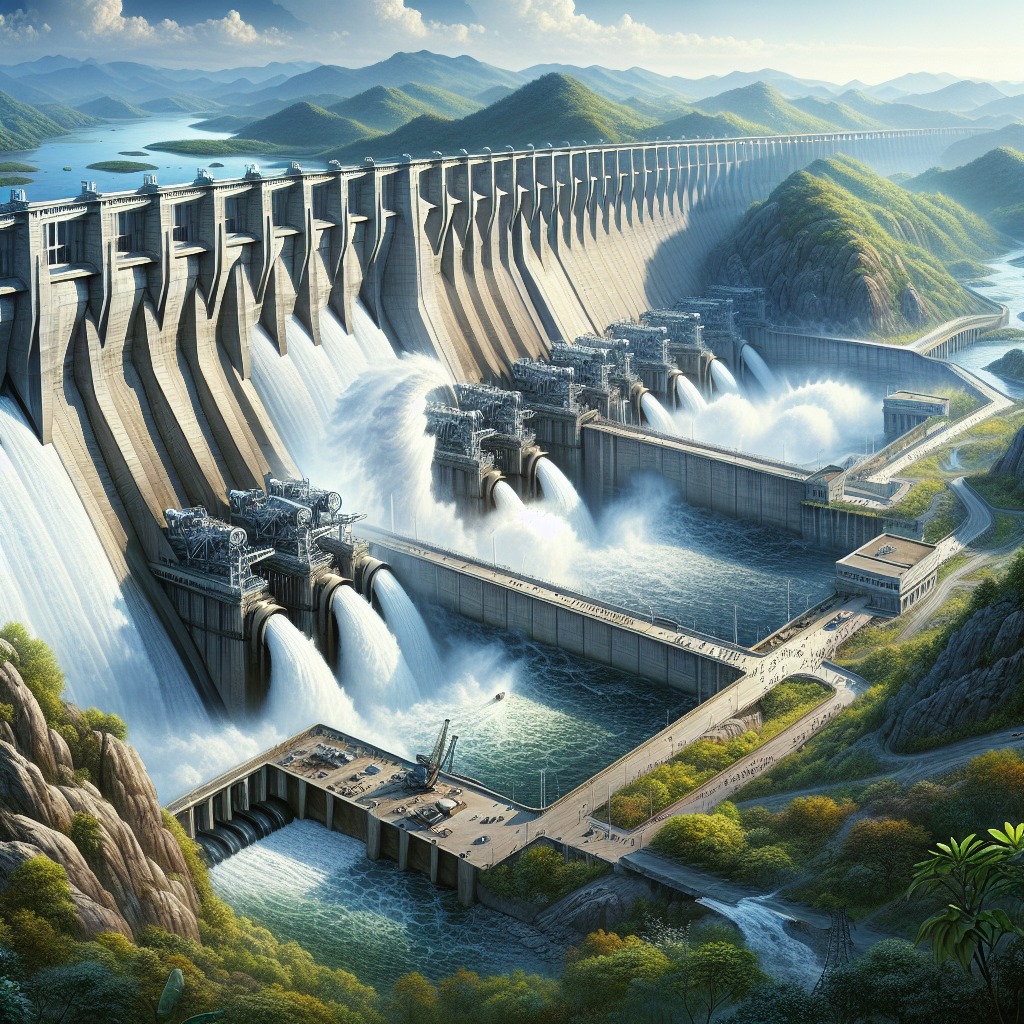
China has initiated the construction of what is set to become the world's largest hydropower dam on the eastern edge of the Tibetan Plateau, with a projected cost exceeding $170 billion, as confirmed by the official Xinhua news agency. This ambitious endeavor is China's biggest since the Three Gorges Dam and has instigated economic optimism, as indicated by rising stock prices and bond yields earlier this week.
Encompassing five cascading hydropower stations capable of generating 300 billion kilowatt-hours of electricity annually, equivalent to Britain's annual consumption, the dam will be situated in the lower stretches of the Yarlung Zangbo River. However, the project has fueled apprehension from India and Bangladesh about its downstream effects, and environmental groups warn of significant ecological risks on the Tibetan Plateau.
China assures that the dam will help satisfy power needs in Tibet and nationwide without severely impacting downstream water supplies or the environment. Despite these assurances, the project's implications remain a point of contention as it promises to drive demand for construction materials and impact government bond yields, signaling a substantial push for economic stimulus.


 Google News