

Malawi Tightens Maize Export Restrictions Amid Hunger Crisis
Malawi enforces maize export restrictions under a 2018 law to protect national food security as a fifth of the population faces hunger due to a poor harvest. The country produced 2.9 million tons of maize against a 3.7 million ton requirement. Average maize prices increased by 50%.
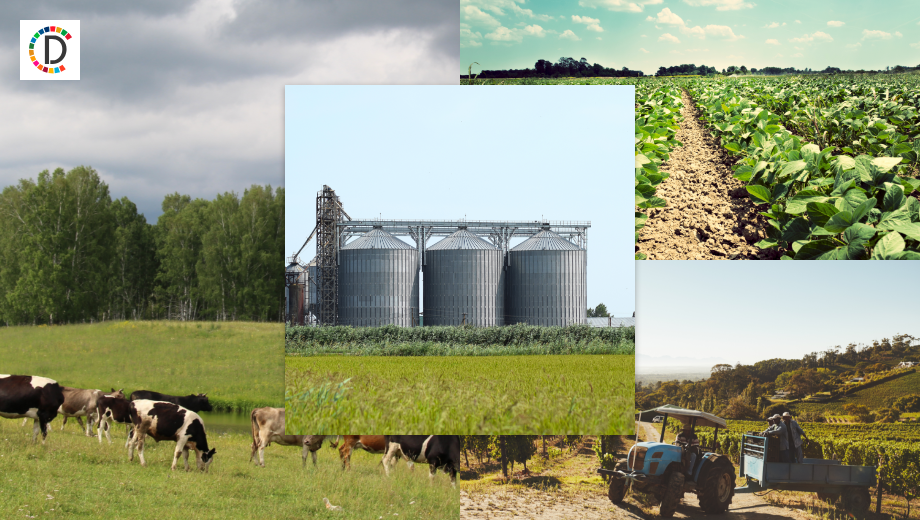
In a bid to address food security concerns, Malawi has implemented restrictions on maize exports, according to the trade ministry's announcement on Thursday. This measure adheres to a 2018 law aimed at protecting essential goods, including maize, from leaving the country amidst fears of insufficient local supply.
The U.S. Famine Early Warning Systems Network reports that Malawi's maize harvest this year amounted to 2.9 million metric tons, significantly below the national requirement of 3.7 million tons. Consequently, nearly four million people face risk of hunger until the next harvest in March 2026, as highlighted in an October government report.
With maize prices surging by over 50% over the past year, aid organizations, including the World Food Programme, are initiating relief efforts to address food shortfalls in the worst-affected districts. However, a funding gap of $69 million poses challenges to meeting the food distribution goals. Meanwhile, Malawi is importing 200,000 tons of maize from Zambia to counteract the grain deficit.
ALSO READ
-
Nuclear Science Brings Cancer Care, Safer Food and Better Water Data Across Regions
-
New Zealand Gives NZ$300,000 to Help Developing Countries Build Safer Food Trade
-
Nigeria Launches $5 Billion AgriConnect Plan to Back Farmers and Create 2.5m Jobs
-
World Bank Backs Türkiye’s Farmers With $750 M to Boost Rural Jobs and Growth
-
Türkiye Uses Nuclear Science to Protect Citrus Harvests and Tackle Fruit Fly Damage


 Google News