

India faces hotter, drier February, threatening winter crops
Winter-sown crops such as wheat, rapeseed, and chickpeas are planted from October to December and require cold conditions during their growth and maturity stages for optimal yields. In January, minimum and maximum temperatures were above average as the country received 31.5% lower-than-average rainfall, Mohapatra said.
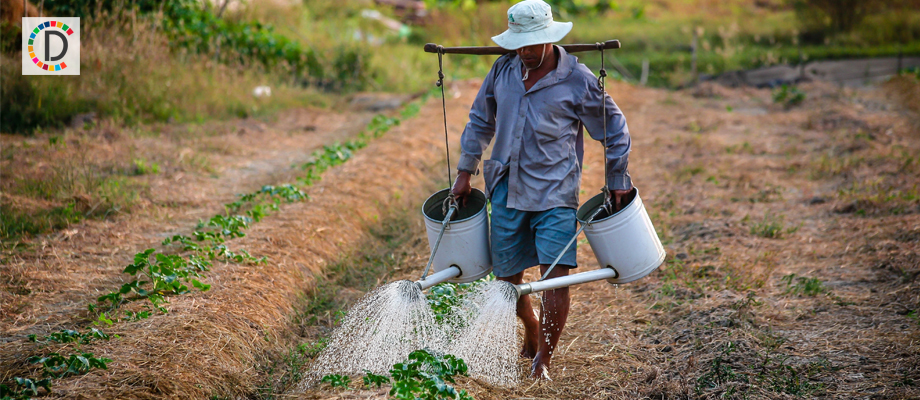
India will be warmer and drier this month after an unusually warm January, the weather office said, raising risks for key winter-sown crops such as wheat, rapeseed and chickpeas.
The country's northwestern wheat-growing region is likely to receive less than 78% of its long-term average rainfall, Mrutyunjay Mohapatra, director-general of the India Meteorological Department, said on Saturday. Maximum and minimum temperatures in most parts of the country will be above average in February, he said.
Crops such as wheat and barley could suffer yield losses, as higher-than-normal temperatures may accelerate crop growth and shorten the growing period, he said. "Below-normal cold-wave days are likely over several parts of northwest and adjoining central India," he said.
India's Punjab, Haryana, and Uttar Pradesh states in the north, along with Madhya Pradesh in central India, form the country's top wheat-growing regions. Winter-sown crops such as wheat, rapeseed, and chickpeas are planted from October to December and require cold conditions during their growth and maturity stages for optimal yields.
In January, minimum and maximum temperatures were above average as the country received 31.5% lower-than-average rainfall, Mohapatra said. Indian farmers had planted wheat and rapeseed on a record 33.42 million hectares and 8.94 million hectares, respectively, by January 23, farm ministry data showed.
"February is a crucial month for grain development. A sharp rise in temperatures during this period would lead to lower yields and could wipe out the gains from higher planting," said a Mumbai-based dealer with a global trade house. Any drop in the rapeseed crop could force India, the world's biggest vegetable-oil importer, to step up its cooking-oil imports, dealers said.
India buys palm oil mainly from Indonesia, Malaysia and Thailand, while it imports soyoil and sunflower oil from Argentina, Brazil, Russia and Ukraine.
ALSO READ
-
KSrelief and UNDP Launch $5M Lifeline for Ukraine’s War-Affected Hospitals
-
Poltava University Reopens With Safer, Greener Spaces for Nearly 3,000 Campus Users
-
Brazil’s Tax Reform Gets IDB Loans for State Finances and Public Services
-
UNDP Urges Recovery From Day One as 160 Million People Risk Being Trapped in Crisis
-
São Paulo’s $460M Ferry Overhaul Brings Electric Vessels and New Local Jobs


 Google News