

Is U.S. Inflation's New Normal 4%?
U.S. inflation has stayed above the Federal Reserve's 2% target for years. Analysts suggest a new, higher 'normal' as the closure of the Strait of Hormuz pressures energy prices, potentially pushing inflation to 4%. Policymakers and economists warn of further price hikes, complicating future fiscal strategies.
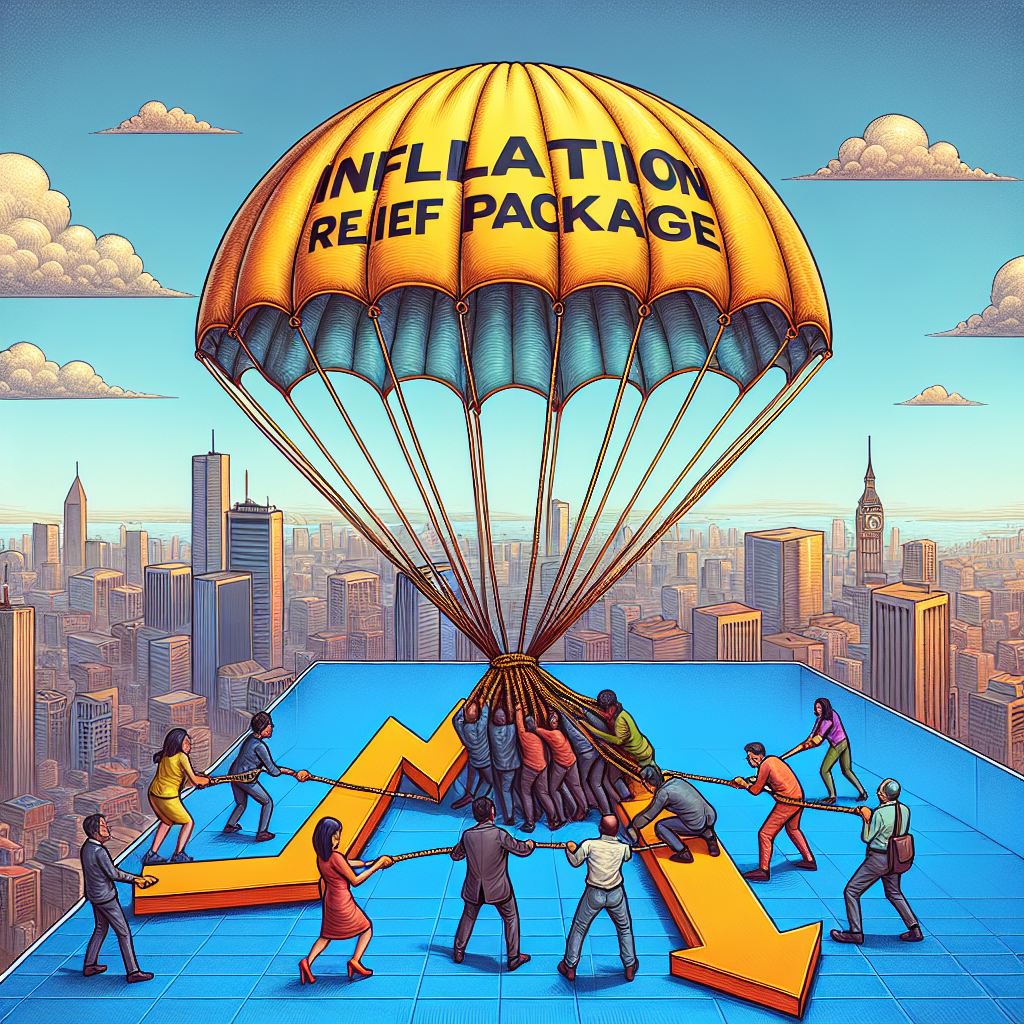
There is growing concern that U.S. inflation is settling at a higher level than the Federal Reserve's long-standing 2% target. This shift in inflation dynamics comes amid rising energy prices, exacerbated by global events like the closure of the Strait of Hormuz. The impact on the economy could be significant as businesses, consumers, and investors brace for more expensive necessities.
The Federal Reserve's preferred inflation measure has consistently exceeded its target, with core PCE inflation rates also showing upward trends. Despite these signs, policymakers face challenges in re-evaluating inflation metrics, especially as the Fed gauges how energy prices might seep into broader economic measures.
Incoming Fed chair Kevin Warsh is set to navigate these economic uncertainties as discussions continue around potentially adopting a new inflation guide. Amid these debates, analysts like Bob Elliott caution against complacency, noting that persistent headwinds could sustain higher inflationary expectations long-term.
ALSO READ
-
Asia’s Growth Slows to 5% as Energy Shocks and El Niño Put Regional Recovery at Risk
-
Yen's Dive Post-BOJ Rate Hike: Market Watches for Next Moves
-
Trump's Rate War with the Fed: A High-Stakes Economic Drama
-
Global Shares Surge Amidst Central Bank Rate Decisions
-
Wall Street's Resurgence: Market Gains Amid Easing Pressures


 Google News