

Maersk CEO Discusses Middle East Impact on Energy Costs
The CEO of Maersk discusses the significant impact of the Middle East conflict on energy costs. Despite disruptions, financial results remain unaffected due to transferring higher fuel costs to customers. The CEO anticipates possible normalization if regional tensions subside and expects less need for U.S. escorting vessels through Hormuz.
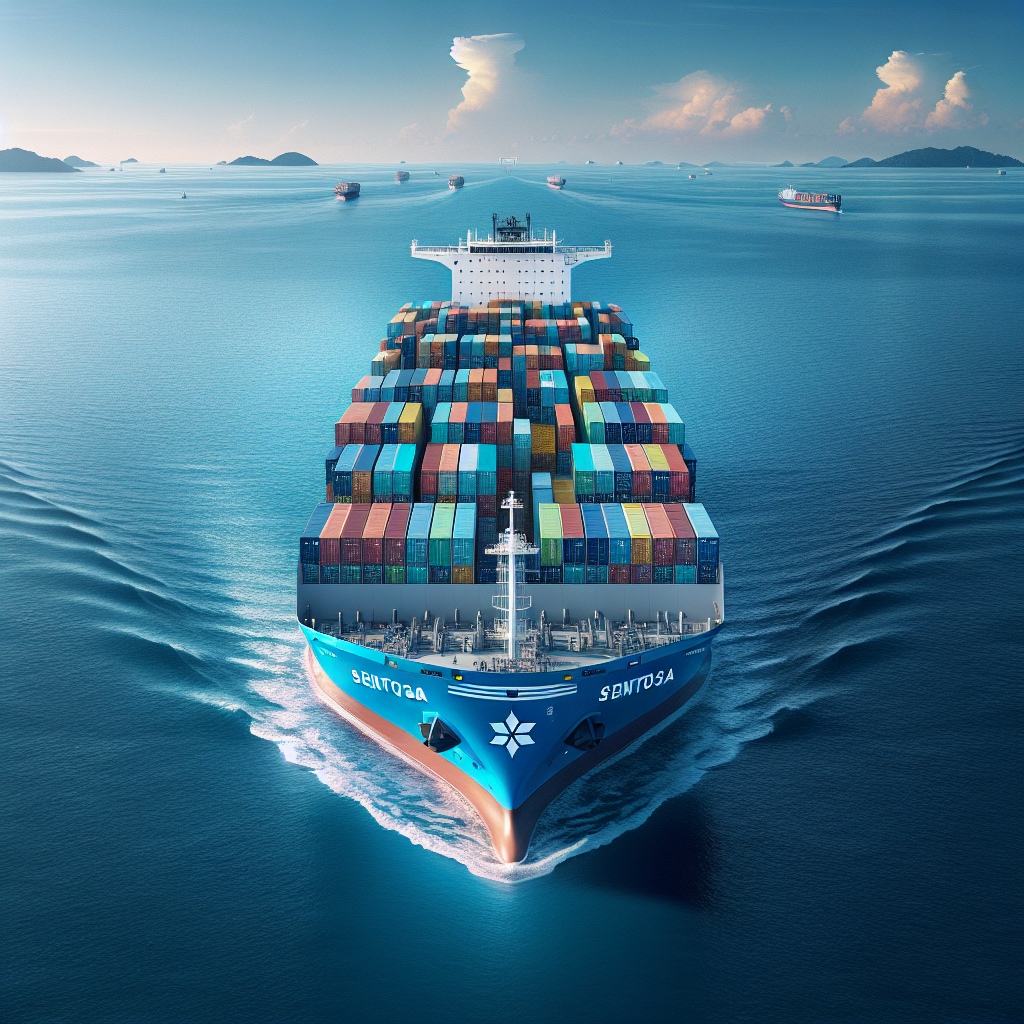
In an exclusive statement, the CEO of A.P. Moeller - Maersk A/S highlighted the substantial impact the Middle East conflict has had on the company's energy expenses.
Despite the increase in costs primarily due to rising bunker fuel prices, financial outcomes are expected to remain stable as expenses are passed on to customers. If the situation in Hormuz improves, reassessing routes like the Red Sea is on the table, although fewer vessels require U.S. escort in the coming weeks, according to the CEO.
The CEO expressed optimism about reopening the Suez Canal and normalizing operations, although the oil supply chain faces deep disruptions. Nonetheless, Maersk's trade operations see minimal impact from ongoing tensions.
ALSO READ
-
Seychelles Growth Set to Slow to 1% as Tourism Feels the Middle East Conflict’s Impact
-
ADB Approves $1.5 Billion to Protect Philippines From Conflict-Driven Price Hikes
-
Surge in Mortgage Rates Amid Labor Market Stability and Middle East Conflict
-
Escalating Middle East Conflict Threatens Global Oil Supply


 Google News