

Health News Roundup: Beijing shuts parks, museums as China's COVID cases rise; Drug maker Novo Nordisk invests $744 million to expand Danish plant and more
China reported 28,127 new domestically transmitted cases for Monday, nearing its daily peak from April, with infections in the southern city of Guangzhou and the southwestern municipality of Chongqing accounting for about half the total. Drug maker Novo Nordisk invests $744 million to expand Danish plant Danish drug maker Novo Nordisk said on Tuesday it plans to invest 5.4 billion Danish crowns ($744 million) to expand its facilities in Bagsvaerd, Denmark.
Following is a summary of current health news briefs.
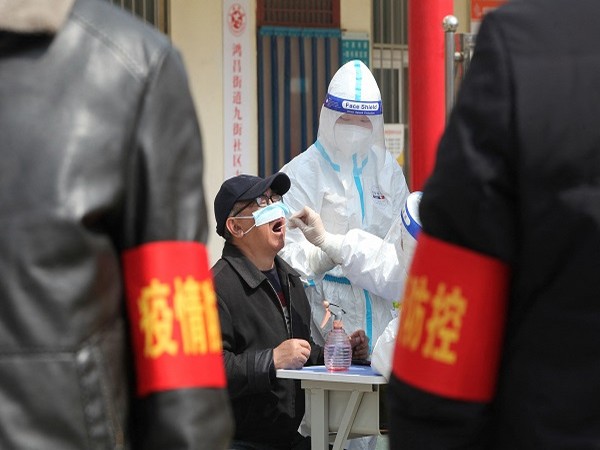
Beijing shuts parks, museums as China's COVID cases rise
Beijing shut parks, malls and museums on Tuesday while more Chinese cities resumed mass testing for COVID-19 as authorities struggle with a spike in cases that has deepened concern about the economy and dimmed hopes for a quick reopening. China reported 28,127 new domestically transmitted cases for Monday, nearing its daily peak from April, with infections in the southern city of Guangzhou and the southwestern municipality of Chongqing accounting for about half the total.
Drug maker Novo Nordisk invests $744 million to expand Danish plant
Danish drug maker Novo Nordisk said on Tuesday it plans to invest 5.4 billion Danish crowns ($744 million) to expand its facilities in Bagsvaerd, Denmark. The world's biggest producer of diabetes drugs, Novo said the project is expected to be finalised in 2024 and create about 160 new jobs.
Generic drugmakers Teva and Sandoz make major push to biosimilars
Generic drug makers Teva Pharmaceutical Industries and Sandoz say they are planning a significant ramp-up in production of biosimilars – copies of high-priced drugs used to treat illnesses such as rheumatoid arthritis and cancer – aiming to increase their share of an expanding market. More than 55 brand-name blockbuster biologic drugs, each with peak annual sales above $1 billion, are due to come off patent by the end of the decade, according to industry estimates.
Japan to grant emergency approval to Shinogi COVID-19 drug
Japan on Friday said it would grant emergency approval to Japanese drugmaker Shionogi & Co Ltd's COVID-19 drug, making it the first domestically developed oral drug for patients with mild symptoms. Regulators in Japan had previously denied emergency approval for the Shionogi pill, saying they wanted to see more data on its effectiveness. There were also concerns the drug could pose risk to pregnancies, based on results from animal studies.
GSK to stop selling blood cancer drug Blenrep in United States
GSK will stop selling its blood cancer drug Blenrep in the United States, it said on Tuesday, representing the latest in a series of setbacks for the British drugmaker's oncology business. The company had said this month that Blenrep failed the main goal of a key study designed to show it was better than an existing treatment on the market, stoking fears that regulatory approval could be rescinded by the U.S. Food and Drug Administration (FDA).
Shanghai to tighten COVID rules for people entering the city
China's financial hub Shanghai said on Tuesday it will tighten rules for people entering the city from Nov. 24 to combat the recent COVID-19 outbreak in the country. People who have stayed in Shanghai for less than five days will not be allowed to enter public places from Nov. 24, according to a statement published by the Shanghai government.
Predictive value of 'good' cholesterol level varies by race, U.S. study finds
The widely-held concept that levels of "good" cholesterol in the blood can indicate heart disease risk is not equally true for Blacks and whites, and the measure itself may be of less value than previously thought, according to a U.S. study published on Monday. Various types of cholesterol are thought to have either healthy or unhealthy effects.
Merck's combination cancer therapy succeeds in late-stage study
Merck & Co Inc said on Tuesday its therapy involving cancer drug Keytruda in combination with chemotherapy met the main goal of a late-stage study for treating a type of gastric cancer. The combo therapy showed a "statistically significant" and "clinically meaningful" improvement in the study by helping cancer patients live longer, compared with chemotherapy as a standalone treatment, the drugmaker said.
Chinese exchanges say COVID testing firms to face strict IPO checks
Chinese stock exchanges said they will strictly vet listing applications from COVID-19 testing companies, in response to media reports voicing concerns over fundraising plans by beneficiaries of the pandemic. Nucleic acid testing is a key part of China's strict dynamic zero-COVID strategy to identify and control infections, which are rising in major Chinese cities including Beijing and Guangzhou.
Ballooning use of laughing gas in Europe is no joke, drugs agency says
The recreational use of nitrous oxide, also known as "laughing gas", is on the rise in Europe among young people, producing worrying numbers of poisonings, the European Union drugs monitoring agency EMCDDA said in a study. The growing popularity of the substance, which causes a feeling of euphoria, relaxation and dissociation from reality, stems from its wide over-the-counter availability, low price, ease of use and the false perception that it is safe, the Lisbon-based agency said.


 Google News