

How To Help Your Loved One Cope With Hearing Loss

Millions of individuals worldwide are impacted by the prevalent problem of hearing loss. It can be frustrating and isolating for those affected by it and their loved ones. Not only does it affect communication, but it can affect the self-esteem of people with the condition. However, many people can lead a more fulfilling life with the right steps. Here are five ways to help your loved one cope with hearing loss.
1. Encourage them to get a hearing test
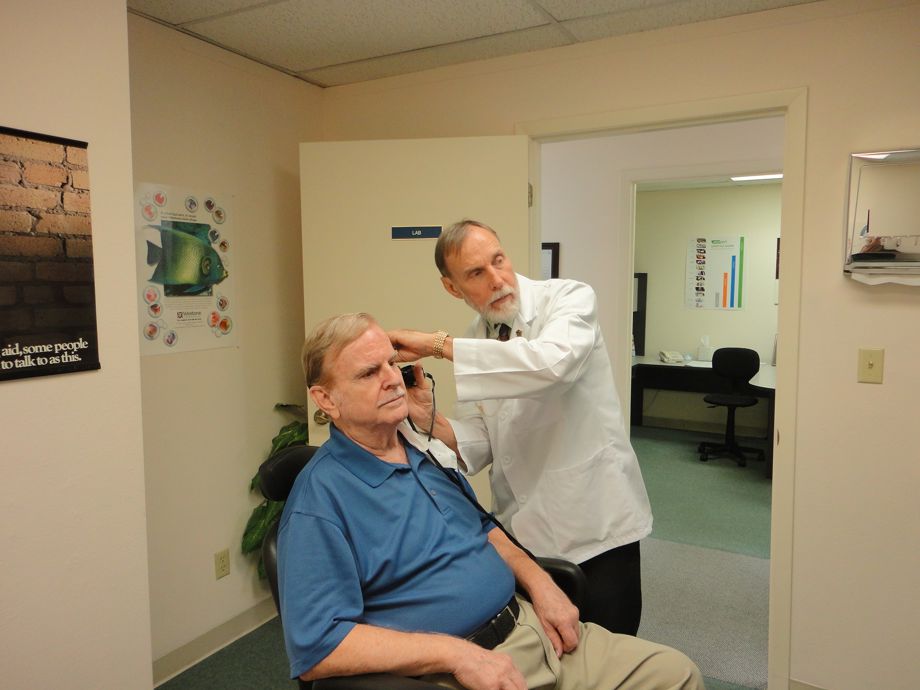
Image Credit: Pixabay
The first step to helping your loved one cope with hearing loss is encouraging them to get a hearing test. A test can determine the extent of their hearing loss and identify the best course of action. It is essential to catch hearing loss early, as it can progress and become more difficult to treat over time. The audiologist can prescribe the right treatment option, so keep this in mind. The most popular option is hearing aids, and many different types are available. You can help by researching hearing aids online before visiting the audiologist. You can also motivate your loved ones to ask the audiologist about hearing loss and treatments.
2. Help them adjust to using hearing aids
Once your loved one has chosen the right hearing aids, they may need help adjusting to using them. It can take time to get used to wearing hearing aids, and they may initially experience some discomfort. You can help by prompting them to wear their hearing aids regularly and providing emotional support as they adjust. They may also benefit from working with a hearing healthcare professional to learn how to use their hearing aids effectively and make adjustments as needed.
3. Be mindful of communication
Communicating with someone with hearing loss can be challenging, but there are ways to make it easier. One of the ways is to avoid speaking too quickly or mumbling, as this can be difficult for your loved one to understand. Ensure they can see your face and mouth when you speak, as this can help them read your lips. You may also want to consider learning basic sign language or using a communication app to help your loved one understand you better, so feel free to consider this.
4. Be patient and supportive

Image Credit: Pexels
It is vital to be patient and supportive as your loved one copes with hearing loss. They may feel frustrated or self-conscious about their condition or struggle to communicate effectively. You can create a safe space for them to express their feelings and frustrations and validate their emotions. Let them know that you are there for them and want to help them find solutions to make their lives easier. Also, it's necessary to be aware of the emotional impact of hearing loss. Many people with hearing loss experience isolation, depression, and anxiety. They may feel left out of social situations or embarrassed to ask people to repeat themselves. Consider finding a support group or connecting with a counsellor or therapist specialising in hearing loss. These resources can give your loved one the support and understanding they need to navigate their hearing loss journey.
5. Motivate them to stay active
Motivate your loved one to stay active and continue participating in activities they enjoy. This can help them stay connected to their community and maintain a sense of purpose and fulfilment, so feel free to consider this. If they are hesitant to participate in social activities, suggest they try using assistive devices like FM systems or captioning services. These tools can help them stay engaged, even in noisy or challenging environments, so feel free to leverage them.
6. Help them make environmental adjustments
In addition to using hearing aids, there are other adjustments you can make to your loved one's environment to help them hear better. For example, you can use visual cues like gestures or facial expressions to help your loved one understand what you're saying.
Try to reduce background noise in the environment as much as possible. This can include turning off the TV or radio, closing doors and windows, or moving to a quieter location. Good lighting can also help your loved one see your face and mouth more clearly, aiding communication. You can install a phone with amplified volume or a flashing light alert for incoming calls, so keep this in mind.
7. Advocate for them
If your loved one struggles to get the accommodations they need, consider contacting advocacy groups or legal resources specialising in hearing loss. These organisations can provide your loved one with the support they need to navigate the legal and policy landscape. Many assistive technologies can help people with hearing loss, such as hearing aids and cochlear implants. Encourage healthcare providers and insurance companies to cover the cost of these technologies. Advocate for their implementation in public spaces like theatres, movie cinemas, and lecture halls. Support legal protections that ensure equal access to communication and employment opportunities for people with hearing loss. Advocate for implementing laws prohibiting discrimination based on hearing loss and providing reasonable accommodations in the workplace, school, or public areas.
8. Educate yourself

Image Credit: Pexels
Educating yourself about hearing loss and its impact is crucial, so keep this in mind. This can help you better understand your loved one's experience and provide more effective support. There are many resources to consider, like websites and blogs, books and articles, and classes and workshops on communication strategies for people with hearing loss. By educating yourself about hearing loss, you can become a better advocate for your loved one and help them cope with their condition.
Hearing loss can be a challenging condition to navigate, but there are many ways you can help your loved one cope. Encourage them to stay active, help them make environmental adjustments, and advocate for their needs. Educate yourself about hearing loss and its impact, and above all, be patient and supportive as they navigate this journey. By working together, you can help your loved one lead a fulfilling life despite their hearing loss.
(Devdiscourse's journalists were not involved in the production of this article. The facts and opinions appearing in the article do not reflect the views of Devdiscourse and Devdiscourse does not claim any responsibility for the same.)


 Google News