

Six out of ten hospitals in Haiti barely operational due to escalating violence, UNICEF Warns
“Haiti’s health system is on the verge of collapse,” stated Bruno Maes, UNICEF Representative in Haiti.
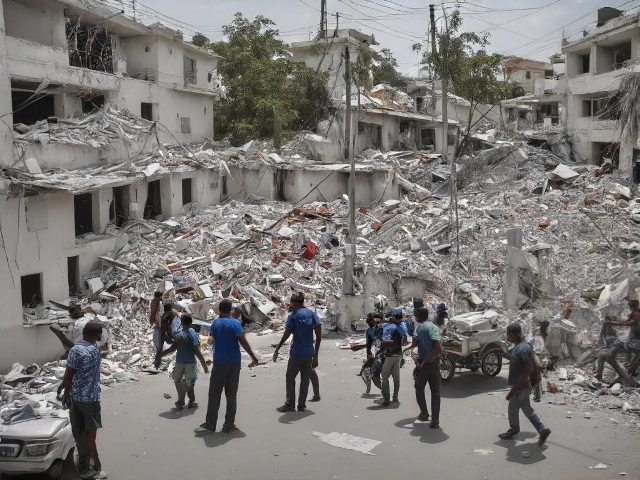
UNICEF has issued a stark warning today, revealing that six out of ten hospitals in Haiti are barely operational due to escalating violence in Port-au-Prince. This unrest has severely disrupted the supply of critical health supplies and medicine, depriving children of essential care.
All hospitals in Haiti are struggling to maintain necessary medical supplies as international and domestic cargo flights to Port-au-Prince airports have only recently resumed with limited capacity and significant backlogs. The main seaport, previously controlled by armed groups, is also experiencing severe delays.
"Haiti's health system is on the verge of collapse," stated Bruno Maes, UNICEF Representative in Haiti. "The combination of violence, mass displacement, dangerous epidemics, and increasing malnutrition has strained Haiti's health system, but the breakdown of supply chains may be what finally causes it to collapse."
Vital supplies, including those in containers filled with neonatal, maternal, and medical items, have been held up or looted. Hundreds of containers with humanitarian supplies remain stranded in Port-au-Prince, exacerbating the crisis.
Port-au-Prince, the main logistical hub for Haiti, is paralyzed by violence, and with over 160,000 residents displaced, it cannot meet the needs of a population facing physical trauma and disease risk. Displaced families moving to the southern part of the country are adding pressure on local health services, which were already struggling. Additionally, about 40 percent of medical staff have left the country due to extreme insecurity.
Haiti has reported 82,000 suspected cholera cases between October 2022 and April 2024. Approximately 4.4 million people are in urgent need of food assistance, with 1.6 million facing emergency levels of acute food insecurity, increasing the risk of child malnutrition. The rainy season is expected to exacerbate the situation by increasing cases of water-borne diseases and mosquito-borne illnesses such as malaria.
In response, UNICEF and its partners are establishing alternative import and dispatch routes. Working with the Ministry of Health, international donors, and partners, UNICEF has managed to continue delivering vaccines, medicines, and medical equipment to children in need. In May 2024, UNICEF facilitated the delivery of 38 tons of life-saving supplies, including health and cholera kits, via an EU Humanitarian Aid-supported air bridge from Panama to Cap-Haitian, where a new operational hub has been established.
"We cannot allow vital supplies that could save children's lives to remain blocked in warehouses and containers. They must be delivered now," urged Maes.
UNICEF continues to call for increased assistance to ensure that essential medical supplies reach the children and communities most affected by this crisis.
ALSO READ
-
Lebanon’s Children Cannot Lose More of Their Childhood, UNICEF Chief Urges Action
-
Sudan Shelter Drone Strike Reportedly Kills a Boy and Injures 12 Children
-
Syria’s Returning Children Need Schools, Care and Safe Water to Rebuild Lives
-
Lebanon’s Children Face Hunger, Lost Schooling and Work as Families Reach the Brink
-
UNICEF Praises Jordan’s Progress for Children as Funding Cuts Threaten Vital Services


 Google News