

Motsoaledi Recommits to Phased Implementation of National Health Insurance
Motsoaledi noted that while five of these building blocks are widely accepted, the health systems financing aspect, termed NHI in South Africa, has sparked considerable debate and opposition.
- Country:
- South Africa
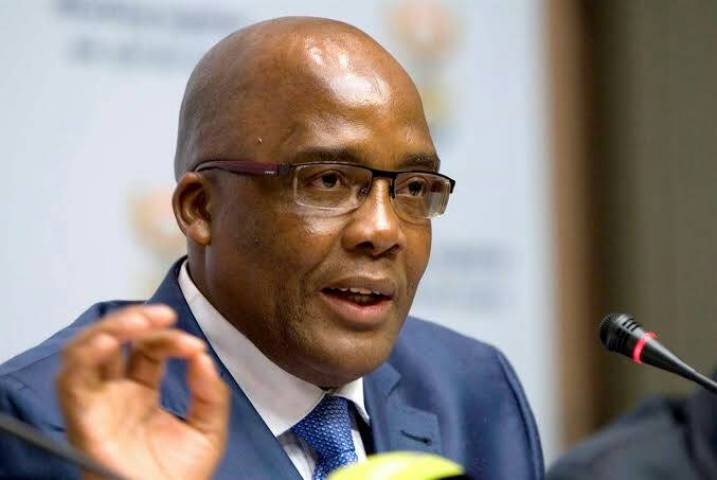
Health Minister, Dr. Aaron Motsoaledi, reaffirmed the department's commitment to the phased implementation of the National Health Insurance (NHI) during his Budget Vote Speech in Parliament. Motsoaledi emphasized the necessity of moving forward with NHI, highlighting that the initiative is already in phase two and that the remaining aspects of health infrastructure will align accordingly.
Presenting the Budget Vote for the 2024/25 financial year, the Minister announced a departmental budget allocation of R62.2 billion, marking a 3.5% increase from the previous year's R60.1 billion. He outlined his priorities for the next five years, which align with the World Health Organization's (WHO) six building blocks for a robust health system: leadership, governance, access to essential medicines, health workforce, health systems financing, information systems, and service delivery.
Motsoaledi noted that while five of these building blocks are widely accepted, the health systems financing aspect, termed NHI in South Africa, has sparked considerable debate and opposition. Some critics argue that the country is not ready for NHI or that it is financially unfeasible.
"NHI is a health financing system known as Universal Health Coverage (UHC) by the WHO. It aims to equalize healthcare access between the rich and the poor," Motsoaledi explained. He highlighted South Africa's stark healthcare inequality, where a significant portion of the population receives subpar healthcare compared to the world-class services available to a minority.
Motsoaledi cited WHO guidelines, which recommend that countries allocate at least 5% of their Gross Domestic Product (GDP) to healthcare. South Africa exceeds this, spending 8.5% of its GDP on health, compared to 9% in European countries. Despite this high expenditure, the distribution of healthcare resources remains heavily skewed, with 51% of funds serving only 14% of the population, while 49% is left to serve the remaining 86%.
The Minister stressed the urgent need to address this inequality, stating, "This needs to stop now." While acknowledging the support for NHI, he recognized that there are aspects of the current proposal that require refinement. He urged stakeholders to engage in constructive dialogue to improve the NHI rather than impede its progress, emphasizing the long-awaited need for equitable healthcare for the country's poor.
"We cannot throw the baby out with the bathwater. Let us address the areas that need improvement, but let us not obstruct the progress towards what the poor have been waiting for close to a century," Motsoaledi concluded.


 Google News