

WHO AFRO Establishes Emergency Preparedness & Response Technical Advisory Group to Bolster Health Security in Africa
The EPR-TAG will provide critical support to the WHO African Member States in fortifying health security against various emergencies.
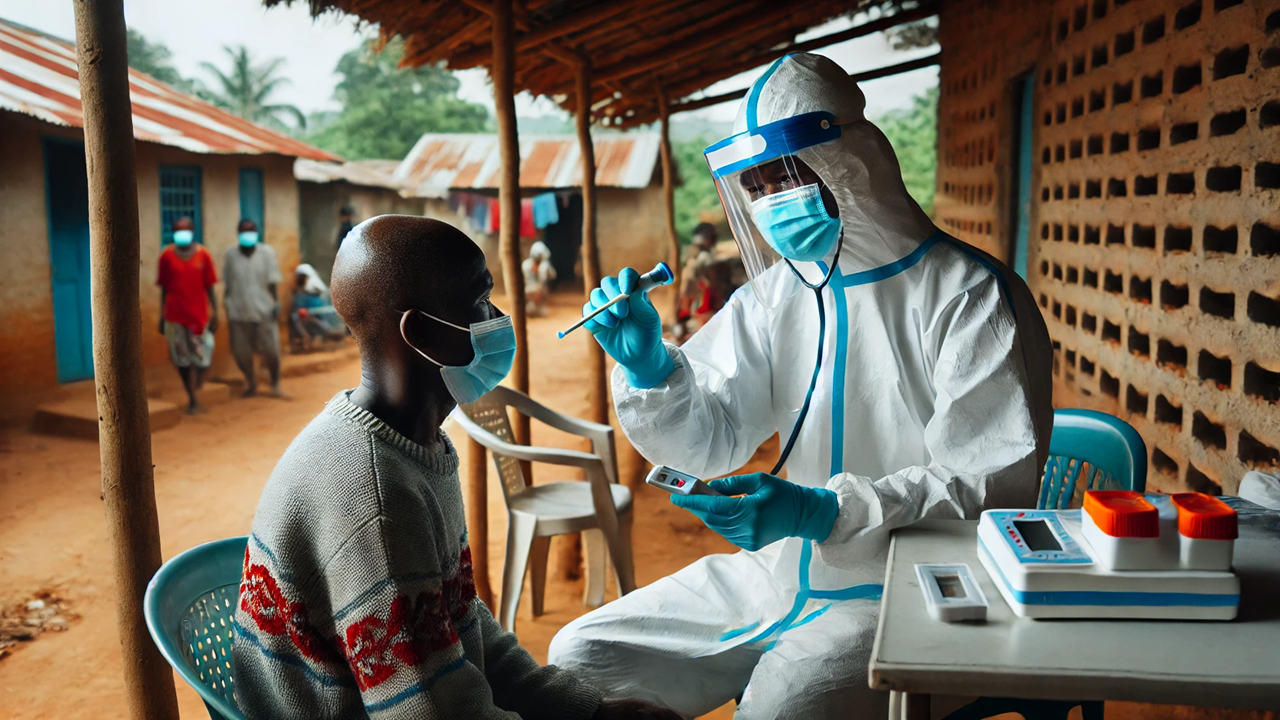
In a significant move to enhance health security across Africa, the World Health Organization (WHO) Regional Office for Africa (AFRO) has established the Emergency Preparedness & Response Technical Advisory Group (EPR-TAG). This independent body is designed to offer strategic guidance on public health emergency preparedness and response, reinforcing WHO AFRO's efforts to support African Member States.
Key Objectives and Roles:
The EPR-TAG will provide critical support to the WHO African Member States in fortifying health security against various emergencies. Africa faces over 100 health emergencies annually, which disrupt economies, destabilize communities, and strain already fragile health systems. The dual threats of climate change and conflict exacerbate these health emergencies, making the next pandemic not just possible but imminent. Enhancing emergency preparedness and response capabilities within the region is now imperative.
Composition and Leadership:
The EPR-TAG is composed of 16 distinguished experts from diverse fields, including epidemiology, public health, global health, vaccinology, paediatrics, nutrition, internal medicine, infectious diseases, programme management, health-care administration, health economics, health communication, and sociology. The group will provide strategic guidance on key issues such as assessing regional health threats, horizon scanning for emerging dangers, advising on preparedness and response strategies, reviewing progress on regional health security initiatives, and strengthening country ownership and decision-making in emergency response.
Leadership:
Dr. Deo Nshimirimana, a retired WHO medical doctor renowned for his expertise in immunization in emergency settings, chairs the EPR-TAG. He is supported by Dr. Rebecca Martin, Vice President of Global Health and Director of the Emory Global Health Institute, who serves as the Vice-Chairperson. Dr. Martin brings decades of experience in health security, emergency response, and immunization.
Dr. Nshimirimana expressed his commitment to the role: "The opportunity to lead the EPR-TAG is a great honour, and I am thrilled to be part of this transformative team. I am confident that our collective expertise will significantly contribute to enhancing Africa's preparedness and response capabilities, ensuring a more resilient defense against ongoing and future health threats. Together, we can make a substantial impact on the well-being of African nations."
Inaugural Meeting:
The inaugural meeting of the EPR-TAG is taking place in Saly, Senegal, from 16 to 17 July 2024. This historic gathering marks the beginning of the group's efforts to strengthen health security across Africa.
Comments from WHO Regional Director:
Dr. Matshidiso Moeti, WHO Regional Director for Africa, highlighted the importance of the EPR-TAG: "The Emergency Preparedness & Response technical group will play a critical role in strengthening our capacity, working collectively with partners, to support countries to prepare for, respond to, and recover from public health emergencies while continuing to provide essential health care across the African Region. I look forward to leveraging its diverse expertise and independent perspective for the benefit of our Member States."
The establishment of the EPR-TAG underscores WHO AFRO's commitment to building a resilient African Region prepared to face any public health challenge. With its expert guidance and collaborative approach, the EPR-TAG is poised to play a vital role in protecting the health and well-being of millions of people across the continent.


 Google News