

Microplastics Found in All Indian Salt and Sugar Brands: Study
A study by Toxics Link reveals that all Indian salt and sugar brands contain microplastics. The study tested multiple types of salts and sugars and found varying forms of microplastics. Iodised salt recorded the highest concentration, raising concerns about health risks and calling for urgent policy and research action.
- Country:
- India
All Indian salt and sugar brands, irrespective of their size or packaging, contain microplastics, according to a study published on Tuesday.
The study, titled 'Microplastics in Salt and Sugar,' conducted by the environmental research organization Toxics Link, tested 10 types of salt--including table salt, rock salt, sea salt, and local raw salt--and five types of sugar from both online and local markets.
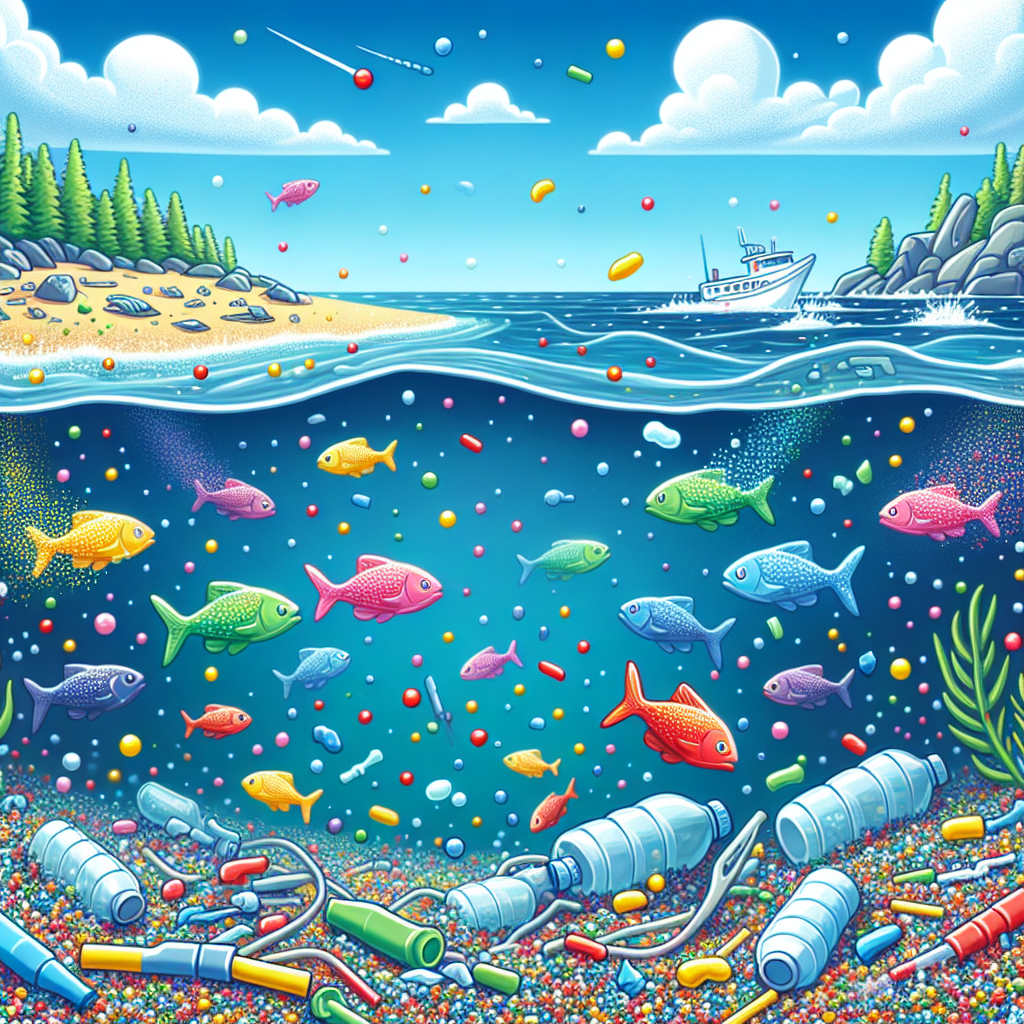
The research uncovered microplastics in all samples, manifesting in forms such as fibre, pellets, films, and fragments, with sizes ranging from 0.1 mm to 5 mm. Iodised salt recorded the highest levels of microplastics, appearing as multi-colored thin fibres and films.
Ravi Agarwal, founder-director of Toxics Link, explained, 'The objective of our study was to enrich the scientific database on microplastics to ensure that the global plastic treaty can tackle this issue effectively.' Furthermore, the study aims to spur policy actions and technological interventions to reduce microplastic exposure risks.
Satish Sinha, associate director at Toxics Link, highlighted the alarming presence of substantial amounts of microplastics in all salt and sugar samples, urging comprehensive research into their long-term health impacts.
The concentration of microplastics varied, with iodised salt having the highest concentration at 89.15 pieces per kilogramme and organic rock salt the lowest at 6.70 pieces per kilogramme. In sugar samples, non-organic sugar had the highest concentration of microplastics at 68.25 pieces per kilogramme.
Microplastics have become a global concern, posing threats to health and the environment. They can infiltrate the human body through various means, including food, water, and air. Recent studies have even found microplastics in human organs, breast milk, and unborn babies.
Previous studies also show that the average Indian consumes far more salt and sugar daily than the World Health Organization recommends, adding another layer of concern.


 Google News