

WHO Declares Mpox Outbreak in DRC and Africa a Public Health Emergency of International Concern
In making the declaration, Dr. Tedros expressed deep concern about the emergence of a new strain of mpox in eastern DRC and its rapid spread to neighboring countries.
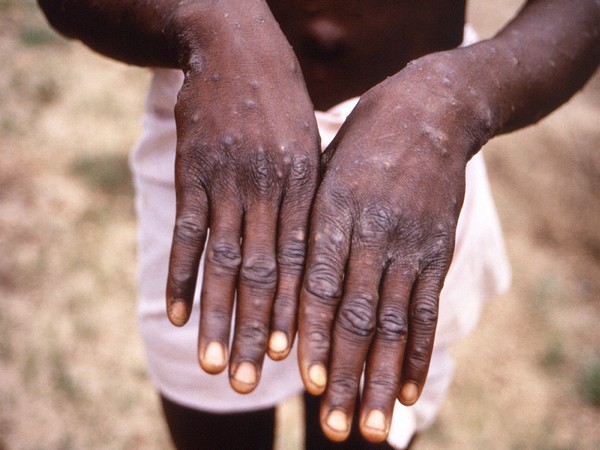
WHO Director-General Dr. Tedros Adhanom Ghebreyesus has declared the recent surge of mpox cases in the Democratic Republic of the Congo (DRC) and other African countries as a Public Health Emergency of International Concern (PHEIC) under the International Health Regulations (2005). This decision follows the recommendation of an independent IHR Emergency Committee, which reviewed data from WHO and affected countries, concluding that the escalating outbreak has the potential to spread beyond Africa.
In making the declaration, Dr. Tedros expressed deep concern about the emergence of a new strain of mpox in eastern DRC and its rapid spread to neighboring countries. He emphasized the urgent need for a coordinated international response to contain the outbreaks and prevent further loss of life.
Dr. Matshidiso Moeti, WHO Regional Director for Africa, highlighted ongoing efforts to curb the spread of the virus, noting that WHO is working closely with communities, governments, and international partners to scale up interventions across the region.
Professor Dimie Ogoina, Chair of the Emergency Committee, described the situation as a global emergency, pointing out that the current surge of mpox cases in Africa is a reminder of the need for decisive action to prevent a repeat of the global outbreak in 2022.
This PHEIC determination marks the second such declaration for mpox in two years. The virus, first detected in humans in the DRC in 1970, has been endemic to central and west Africa. The ongoing outbreak in the DRC has seen more than 15,600 cases and 537 deaths this year alone, with the emergence of a new strain, clade 1b, spreading primarily through sexual networks.
In the past month, over 100 confirmed cases of clade 1b have been reported in four countries neighboring the DRC—Burundi, Kenya, Rwanda, and Uganda—where mpox had not previously been detected. Experts believe the true number of cases is likely higher due to underreporting and limited testing.
WHO has initiated the process for Emergency Use Listing of mpox vaccines to accelerate access for lower-income countries. The Organization is also coordinating with partners, including Gavi and UNICEF, to ensure equitable distribution of vaccines, therapeutics, diagnostics, and other essential tools.
To support the response, WHO has released $1.45 million from its Contingency Fund for Emergencies and is appealing to donors for an additional $15 million to fund surveillance, preparedness, and response activities across the region. Further assessments are being conducted to determine the full extent of the needs for the mpox response.


 Google News