

Nigeria Scales Up Cholera Response with Nationwide Health Worker Training
Over 150 frontline health workers from all 36 states and the Federal Capital Territory (FCT) have undergone intensive training to improve their ability to detect, report, and treat cholera cases promptly.
- Country:
- Nigeria
In the wake of a sharp increase in cholera cases during the 2025 rainy season, the Nigeria Centre for Disease Control and Prevention (NCDC), in partnership with the World Health Organization (WHO), UNICEF, WaterAid, and the International Federation of Red Cross and Red Crescent Societies (IFRC), has launched a comprehensive initiative aimed at bolstering frontline health capacity and improving outbreak preparedness nationwide.
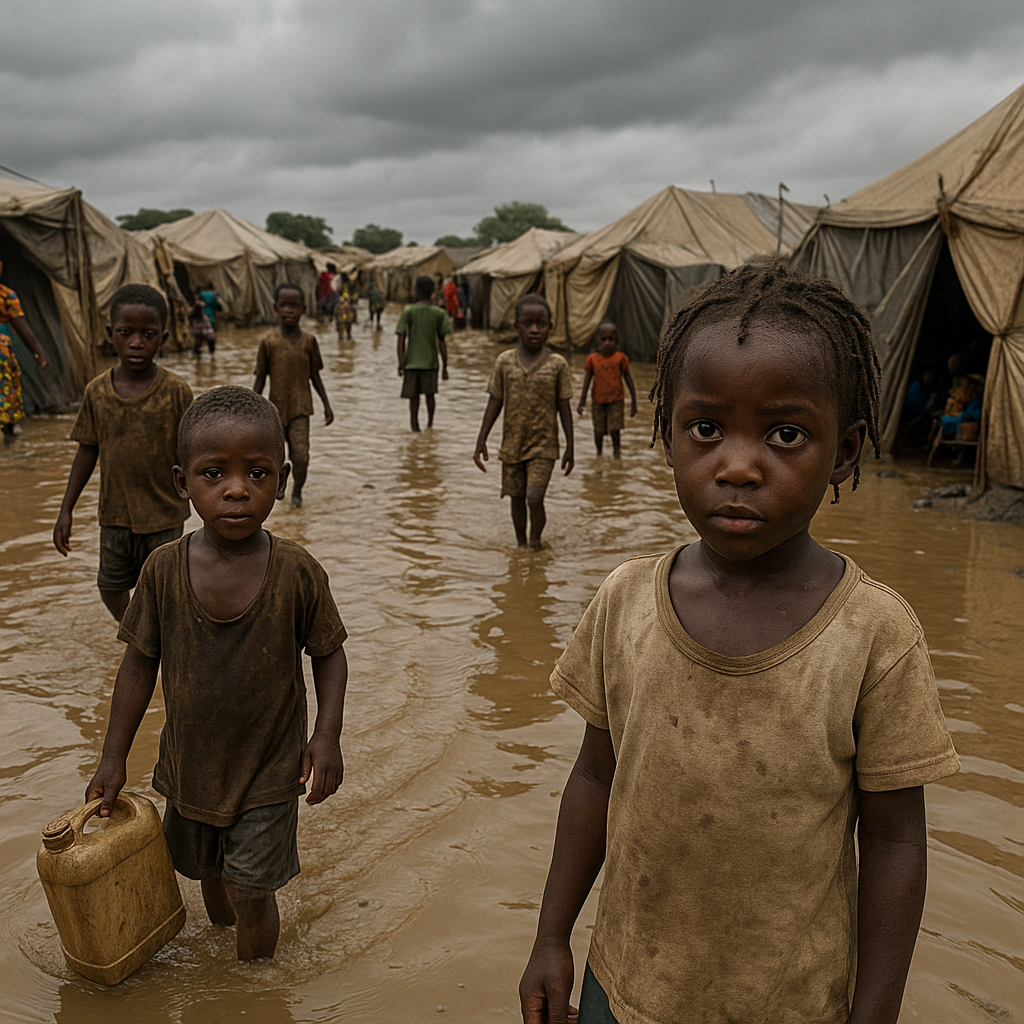
The joint effort comes as Nigeria faces 4,700 confirmed cholera cases and 113 deaths (case fatality rate: 2.4%) as of 28 July 2025, with the majority of outbreaks concentrated in flood-affected communities and internally displaced persons (IDP) camps.
Training Health Workers Across All States
Over 150 frontline health workers from all 36 states and the Federal Capital Territory (FCT) have undergone intensive training to improve their ability to detect, report, and treat cholera cases promptly. This initiative is designed to strengthen the early warning and rapid response system at both state and local government levels.
To ensure the knowledge reaches communities most at risk, state governments have cascaded the training to high-burden areas. In Bauchi State, for example, WaterAid supported 40 community health workers across 12 high-incidence Local Government Areas (LGAs), equipping them with practical tools and guidance for outbreak control.
One participant, Yushau Muktari, a Disease Surveillance Officer in Bauchi, reflected on the value of the training:
"I feel better equipped now to detect cholera symptoms early and take immediate action. This training will help us save lives."
Coordinated National Response
NCDC Director General Dr Jide Idris underscored that the approach is not just reactive:
"We're not just responding to outbreaks — we're building systems to prevent the next one. With WHO's support and donor contributions, we're enhancing Nigeria's capacity to prepare for and respond to cholera more effectively."
WHO's Support in Critical Areas
The WHO has provided targeted assistance in Zamfara, Adamawa, and Niger states, focusing on:
-
Pre-positioning cholera kits in strategic locations.
-
Strengthening disease surveillance systems.
-
Deploying rapid response teams to hotspots.
-
Delivering seven cholera diagnostic kits and medical supplies sufficient for 200 patients.
-
Supplying 10,000 sachets of oral rehydration salts (ORS) to ensure community-level access to treatment.
"Every cholera death is preventable," said Ann Fortin, WHO Emergency Preparedness and Response Lead in Nigeria.
"To save lives, we must act faster — supporting health workers, improving coordination, and ensuring supplies reach those in need."
Aligning with the Global Roadmap to End Cholera by 2030
The WHO and partners are advocating for a multi-sectoral approach, consistent with the Global Roadmap to End Cholera by 2030. This strategy involves:
-
Expanding access to clean water and improved sanitation (WASH).
-
Strengthening primary healthcare systems.
-
Securing political commitment and sustainable funding for long-term cholera control.
Addressing Climate-Driven Health Risks
With Nigeria experiencing increasing climate-related shocks, such as severe flooding that worsens waterborne disease transmission, WHO warns that widespread outbreaks remain a serious risk.
Dr Alex Gasasira, Acting WHO Country Representative in Nigeria, acknowledged the role of international assistance:
"Thanks to the Government of Japan's timely support, Nigeria is better positioned to protect its most vulnerable communities from cholera."
A Commitment to Long-Term Public Health Protection
WHO has pledged continued support to help Nigeria achieve its cholera control targets, emphasizing sustained investment in WASH infrastructure, health worker capacity building, and community engagement as essential to ending cholera as a public health threat.


 Google News