

Gaza’s Children Face Rising Malnutrition as Winter Deepens Health and Survival Risks
“Despite progress, thousands of children remain acutely malnourished in Gaza, while many more lack adequate shelter, sanitation and protection against winter conditions,” said UNICEF Executive Director Catherine Russell.
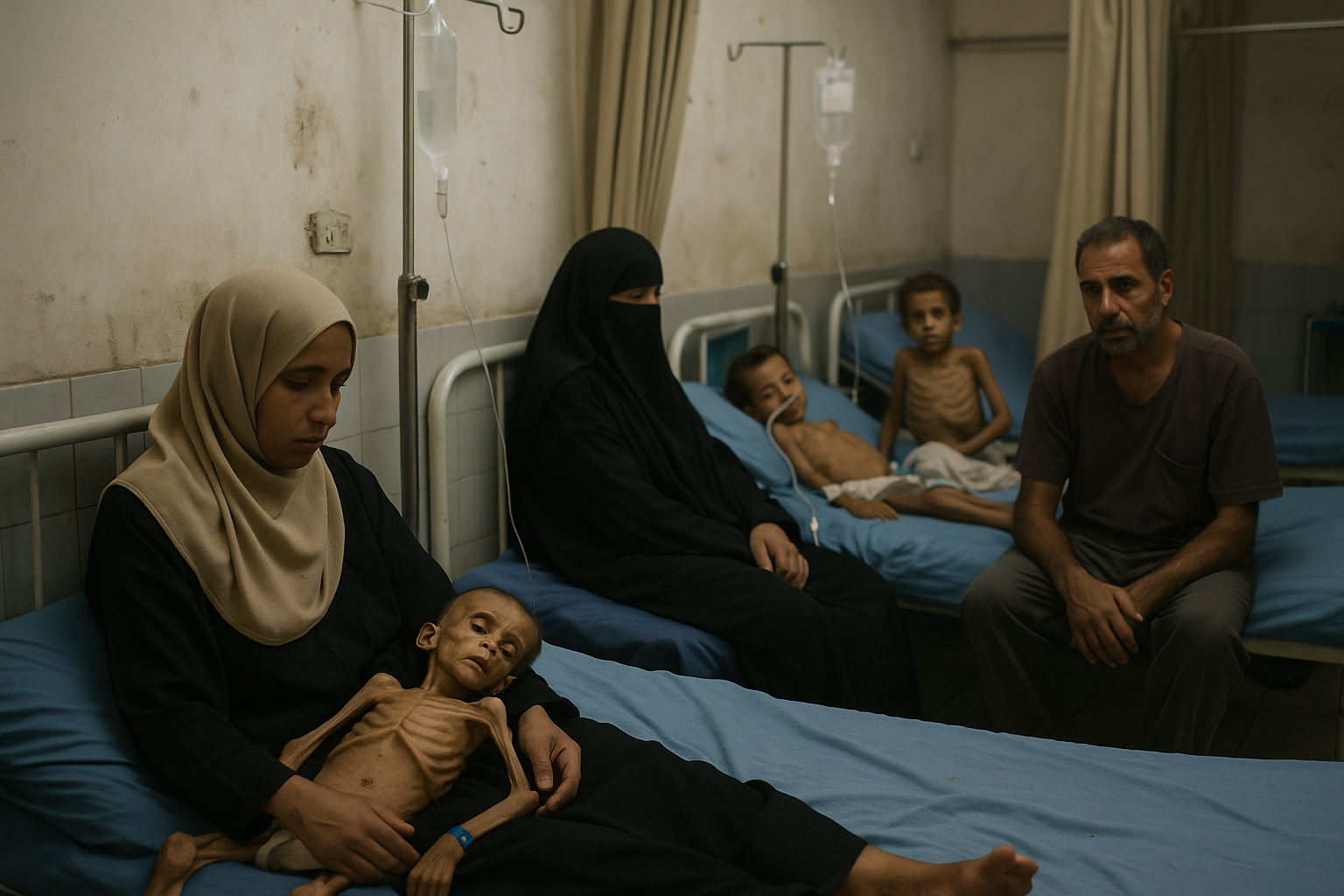
High levels of child malnutrition continue to threaten the lives and wellbeing of thousands of children in the Gaza Strip, where the onset of winter is accelerating the spread of disease and placing already vulnerable families at heightened risk. Despite recent progress in reducing acute malnutrition through expanded humanitarian access following the ceasefire, conditions remain dire, UNICEF warned in a new assessment released this week.
Malnutrition Remains Critically High Despite Slight Declines
Nutrition screenings conducted by UNICEF and partners identified 9,300 children under age five with acute malnutrition in October, compared with 11,746 in September and 14,363 in August. While this downward trend indicates improved detection and treatment capacity, UNICEF stresses that October still represents one of the highest monthly admissions ever recorded—and nearly five times higher than during the February 2025 ceasefire period.
"Despite progress, thousands of children remain acutely malnourished in Gaza, while many more lack adequate shelter, sanitation and protection against winter conditions," said UNICEF Executive Director Catherine Russell. "Too many children are still facing hunger, illness, and exposure to cold temperatures. Every minute counts to protect these children."
UNICEF notes that the decrease in admissions does not signal reduced need, but rather reflects the expansion of treatment sites and improved local access—not a decline in underlying food insecurity, which remains severe.
Food Availability Improves but Diet Diversity Remains Critically Low
More food supplies have entered Gaza in recent weeks, resulting in modest price declines on basic commodities and improving market availability. However, many essential foods—especially animal-source proteins like eggs, dairy, and meat—remain either unaffordable or completely unavailable.
A UNICEF survey from October found that two in three children under five ate two or fewer food groups out of the recommended eight in the week prior, relying almost entirely on grains, bread, or flour. Such limited diets greatly increase the risk of micronutrient deficiencies and acute malnutrition, particularly in young children, pregnant women, and breastfeeding mothers.
The lack of diverse, nutrient-rich foods also weakens immunity, increasing susceptibility to respiratory infections, diarrhoeal diseases, and winter-related illnesses.
Winter Intensifies Humanitarian Crisis
As temperatures drop and storms move across the region, thousands of displaced families remain in makeshift shelters, lacking adequate:
-
Warm clothing
-
Blankets
-
Heating
-
Weather-resistant materials
-
Safe, dry sleeping spaces
Heavy rains have washed sewage and waste into flooded areas, contaminating living spaces and further eroding public health. Overcrowding, disrupted water systems, and limited sanitation infrastructure continue to fuel outbreaks of diarrhoea, respiratory infections, and skin diseases.
This is especially dangerous for malnourished children, who have low energy reserves and are at heightened risk of:
-
Hypothermia
-
Rapid dehydration
-
Severe infection
-
Death
UNICEF warns that the lethal interaction between malnutrition and disease is accelerating: "Each condition worsens the other," the agency noted.
Scaling Up Nutrition and Winter Response
Since the ceasefire, UNICEF has significantly expanded operations, particularly in Gaza City, where famine was confirmed in August. The number of acute malnutrition treatment points increased from 7 to 26, improving access for families who previously faced long journeys or unsafe routes to reach care.
UNICEF has also shipped massive volumes of winter supplies into Gaza, including:
-
5,000+ family tents
-
247,000 tarpaulins
-
692,000 blankets
-
50,500 mattresses
-
206,000 winter clothing sets
These supplies are being rapidly distributed, with teams prioritizing displacement camps at highest risk of flooding or collapse.
To protect families from winter storms, UNICEF and partners have:
-
Pumped floodwater from crowded settlements
-
Reinforced storm basins
-
Cleared debris from streams and sewage lines
-
Installed sandbags to redirect floodwaters
-
Provided cash assistance to the most vulnerable households
Emergency teams have reached families in previously inaccessible areas, including Jabalia in North Gaza, where infrastructure destruction and the collapse of basic services have left children especially at risk.
Aid Still Not Entering Fast Enough
Despite progress, UNICEF warns that distributed items are not being replenished quickly enough. Large volumes of winter and emergency supplies remain stalled at border crossings, awaiting clearance.
UNICEF calls for immediate, unimpeded humanitarian access in accordance with international humanitarian law.
UNICEF urges all parties to:
-
Open all crossings simultaneously, with faster clearance procedures
-
Prioritize humanitarian supplies, especially food, medicine, winter materials
-
Facilitate movement through all feasible routes—Egypt, Israel, Jordan, and the West Bank
-
Allow urgent entry of life-saving water and sanitation supplies, including chemicals and spare parts
Repairing Gaza's crippled water and sewage systems is critical to preventing deadly disease outbreaks, UNICEF stressed.
A Race Against Winter—and Time
With winter conditions worsening and health systems strained to the breaking point, UNICEF warns that Gaza's youngest children face life-threatening risks from hunger, cold, and disease.
Humanitarian agencies stress that sustained access, predictable aid flows, and rapid scaling of relief services are essential to prevent further deterioration.
"Every minute counts," Russell emphasized. "We must act urgently to safeguard these children's lives."


 Google News