

New Tools and Vaccines Avert Millions of Malaria Cases but Major Threats Persist
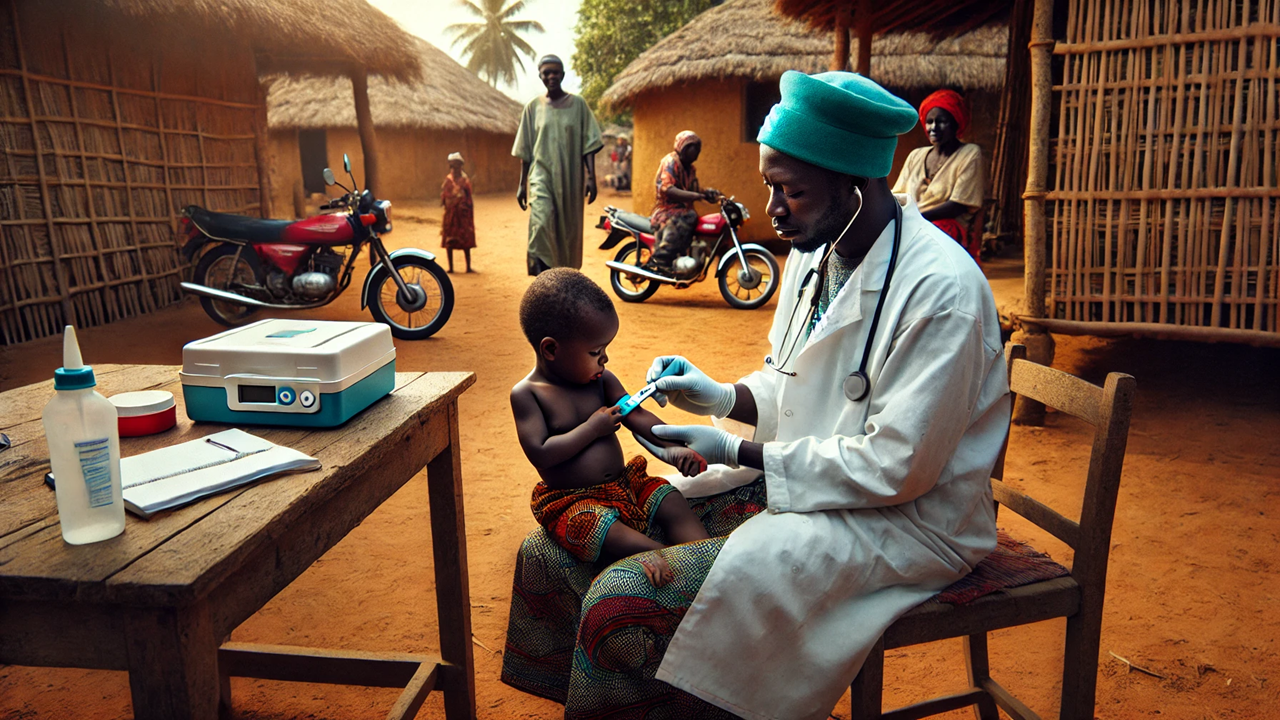
Since WHO approved the world’s first malaria vaccines in 2021, 24 countries have now integrated them into routine immunization programmes.
The global fight against malaria reached a turning point in 2024, with wider use of advanced prevention tools—such as dual-ingredient insecticide nets and WHO-recommended vaccines—helping to avert an estimated 170 million malaria cases and 1 million deaths, according to the latest World Malaria Report from the World Health Organization (WHO). These gains signal the powerful impact of innovation, even as the world confronts worsening drug resistance, climate pressures, and financing gaps that threaten to reverse progress.
Scaling Up Prevention Tools and Vaccines
Since WHO approved the world's first malaria vaccines in 2021, 24 countries have now integrated them into routine immunization programmes. The expansion of seasonal malaria chemoprevention (SMC) has also been significant, reaching 54 million children in 2024, a dramatic rise from just 200,000 in 2012. These interventions are increasingly embedded within broader health systems, helping countries shield the most vulnerable populations—particularly children under 5, who remain at the highest risk of severe disease and death.
Global Progress Toward Elimination
Momentum in malaria elimination continues. WHO reports that 47 countries and one territory have been certified malaria-free. In 2024, Cabo Verde and Egypt reached this milestone, while Georgia, Suriname, and Timor-Leste joined in 2025. These achievements underscore the possibility of regional elimination when political commitment, surveillance capacity and sustained investment align.
Yet the global picture is far from uniform. In 2024, an estimated 282 million malaria cases and 610,000 deaths occurred—9 million more cases than the previous year. Approximately 95% of malaria deaths occurred in the WHO African Region, highlighting persistent inequities in access to treatment, prevention and diagnostics.
Rising Drug Resistance and Emerging Threats
One of the gravest warnings in the World Malaria Report is the growing resistance to artemisinin derivatives, the backbone of current malaria treatment. Partial resistance has now been confirmed or suspected in at least eight African countries, threatening the effectiveness of therapeutic combinations that replaced failing drugs like chloroquine.
Resistance is not the only biological challenge.
-
pfhrp2 gene deletions continue to compromise the accuracy of widely used rapid diagnostic tests.
-
Pyrethroid resistance has been detected in 48 countries, weakening the protective value of conventional insecticide-treated nets.
-
The spread of Anopheles stephensi, an invasive mosquito species adept at surviving in urban environments, now documented in nine African countries, poses a new obstacle for city-level malaria control.
Climate, Conflict and Funding Gaps Worsen the Burden
Environmental and humanitarian crises are compounding the problem. Extreme weather events—driven by climate change—are altering mosquito habitats, expanding breeding seasons and shifting transmission patterns. Conflict and instability in malaria-endemic regions continue to disrupt health services, delaying diagnosis and treatment when time is critical.
Financial constraints further risk eroding gains. Global funding for malaria in 2024 amounted to US$3.9 billion, less than half the 2025 target of US$9.3 billion. Reductions in Official Development Assistance (ODA) have weakened health systems, undermined surveillance efforts, and led to stock-outs of essential commodities.
New Medicines and Partnerships to Counter Resistance
Despite these obstacles, promising developments are underway. Dr Martin Fitchet, CEO of Medicines for Malaria Venture, emphasized the need for treatments with new mechanisms of action. The development of Ganaplacide–Lumefantrine, the first non-artemisinin combination therapy, marks a major milestone in countering rising drug resistance and ensuring future treatment efficacy.
WHO is calling for renewed political commitment and sustained investment, urging endemic countries to uphold the goals outlined in the Yaoundé Declaration and support the Big Push initiative—an effort to accelerate progress through coordinated global action.
A Vision Still Within Reach
Dr Tedros Adhanom Ghebreyesus, WHO Director-General, remains cautiously optimistic: "New tools for malaria prevention are giving us hope, but we still face significant challenges. None of these challenges is insurmountable. With leadership and targeted investment, a malaria-free world remains achievable."
Achieving such a world will require unwavering political will, innovative science, robust health systems and equitable access to life-saving tools. The path is steep, but the progress of 2024 demonstrates that transformative change is possible when global solidarity and scientific innovation converge.


 Google News