

IPC Report Shows Gaza Out of Famine; Warns Fragile Gains Could Reverse Quickly
The IPC report estimates that 1.6 million people – 77 percent of Gaza’s population – continue to face high levels of acute food insecurity.
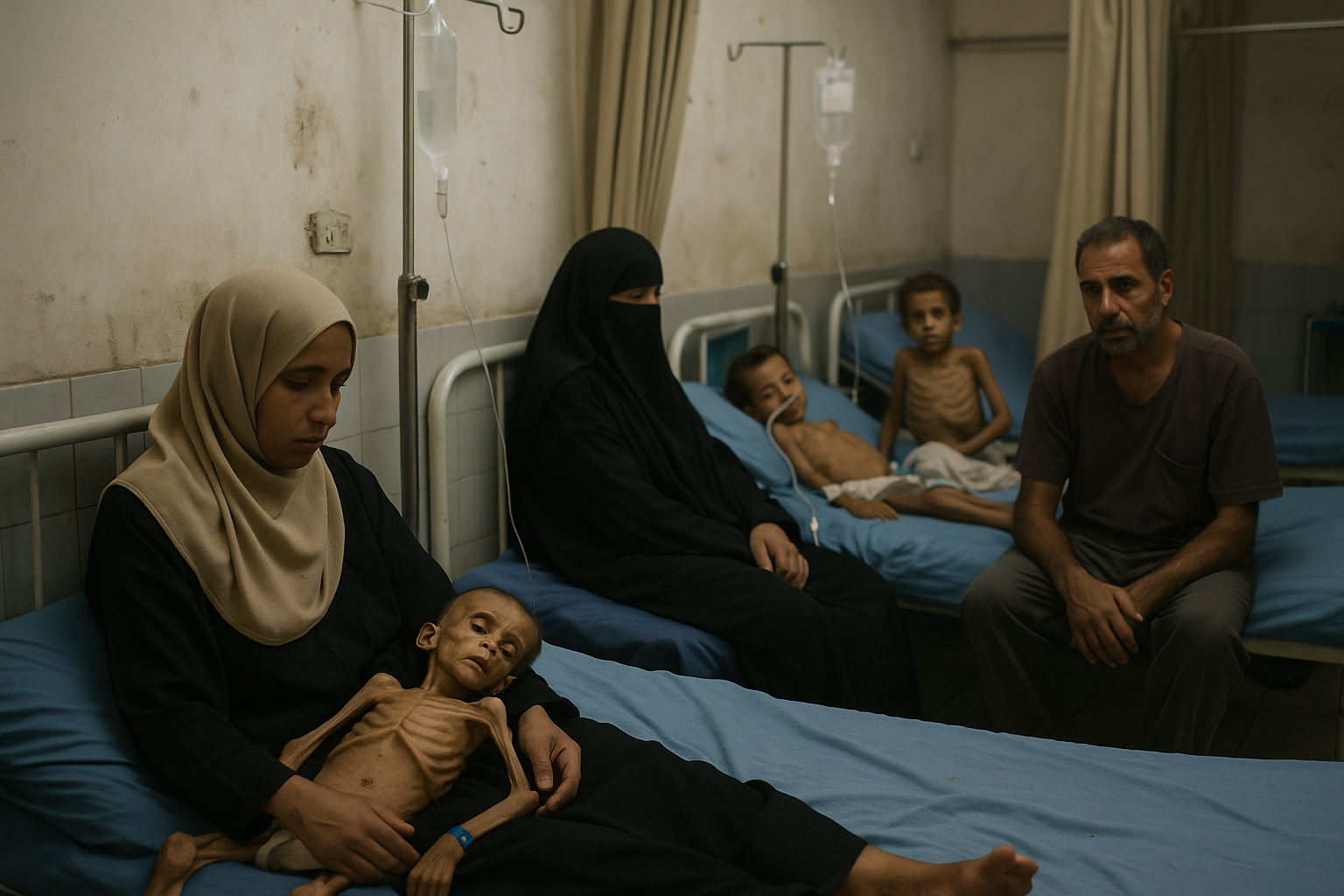
The latest Integrated Food Security Phase Classification (IPC) assessment for Gaza has confirmed that, for the first time since the escalation of conflict, no part of the Strip is currently classified as being in famine. This improvement follows the October ceasefire and a modest increase in humanitarian and commercial access.
However, UN agencies warn that the situation remains precarious, with progress at risk of rapidly deteriorating due to collapsed infrastructure, destroyed livelihoods, and ongoing constraints on humanitarian operations.
Fragile Progress Amid Widespread Hardship
The IPC report estimates that 1.6 million people – 77 percent of Gaza's population – continue to face high levels of acute food insecurity. Among them are more than 100,000 children and 37,000 pregnant and breastfeeding women expected to experience acute malnutrition over the coming year.
Four governorates—North Gaza, Gaza Governorate, Deir al-Balah and Khan Younis—remain in Emergency (IPC Phase 4) through April 2026. Although Gaza Governorate has been downgraded from an earlier Famine classification, IPC Phase 4 still represents a critical humanitarian emergency, characterized by severe food consumption gaps, high acute malnutrition and an increased risk of death.
Displacement, Infrastructure Collapse and Overwhelming Needs
While the ceasefire has improved some deliveries of food, animal feed and essential supplies, the population continues to endure extreme hardship. Over 730,000 people have been displaced since the ceasefire, with many now living in overcrowded, makeshift shelters and heavily reliant on humanitarian assistance.
Key lifeline services—water, sanitation and hygiene (WASH), health care, and access to clean water—remain severely disrupted. Widespread destruction of cropland, livestock systems, fishing operations and critical road networks limits the population's ability to cope and prevents agencies from delivering aid at scale.
Children under five and pregnant and breastfeeding women face elevated levels of malnutrition, despite the slight improvement in food availability.
Markets have more nutritious foods due to increased aid and commercial inflows, but soaring prices mean that families cannot afford them. Protein-rich foods remain scarce and unaffordable, and:
-
79% of households cannot buy food or access clean water
-
No children are achieving minimum dietary diversity
-
Two-thirds of children experience severe food poverty, eating only one or two food groups per day
Overcrowded shelters, poor sanitation, damaged sewage systems and limited heating force families to burn wood or trash to stay warm, worsening air quality and fuelling disease outbreaks. As a result, respiratory infections, diarrhoea and skin diseases are rapidly spreading, particularly among young children.
Aid Agencies Warn of Critical Barriers
FAO, UNICEF, WFP and WHO say they are prepared to scale up assistance, but import restrictions, access constraints and persistent funding shortfalls are severely limiting their ability to respond. These barriers hinder food security operations, nutrition services, health care delivery, WASH interventions, and efforts to restore agriculture and local livelihoods.
FAO emphasised that Gaza's farmers, herders and fishers are willing and able to resume production if they can secure essential supplies and financial support.
UNICEF highlighted that although famine has been temporarily averted, Gaza's children remain in grave danger after more than two years of conflict that has inflicted deep physical and mental scars.
WFP underscored that preventing famine is possible when humanitarian agencies have access, security and sufficient resources—urging the international community to reinforce recent gains before they disappear.
WHO warned that only half of Gaza's health facilities are partially functional, with many lacking supplies due to complex entry restrictions, including "dual-use" classifications. Malnutrition levels remain high, and WHO is currently supporting seven stabilization centres treating severe acute malnutrition.
Urgent Call to Action
FAO, UNICEF, WFP and WHO call on all parties to:
-
Guarantee sustained, safe and unimpeded humanitarian and commercial access throughout Gaza
-
Lift restrictions on essential imports such as agricultural inputs, nutritious foods, medical commodities and equipment
-
Rapidly scale up funding for food, nutrition, health, WASH, agriculture and livelihood support
-
Restore local food production and reactive agricultural value chains
The agencies warn that without immediate and decisive action, the gains made since the ceasefire could unravel quickly. Only sustained access, adequate supplies and robust funding can prevent a return to famine and help Gaza transition from survival toward recovery.


 Google News