

NZ Explores AI to Strengthen Breast Cancer Screening and Early Detection
“AI is providing new opportunities to strengthen our healthcare system and deliver smarter, more responsive care for New Zealanders,” Mr Brown said.
- Country:
- New Zealand
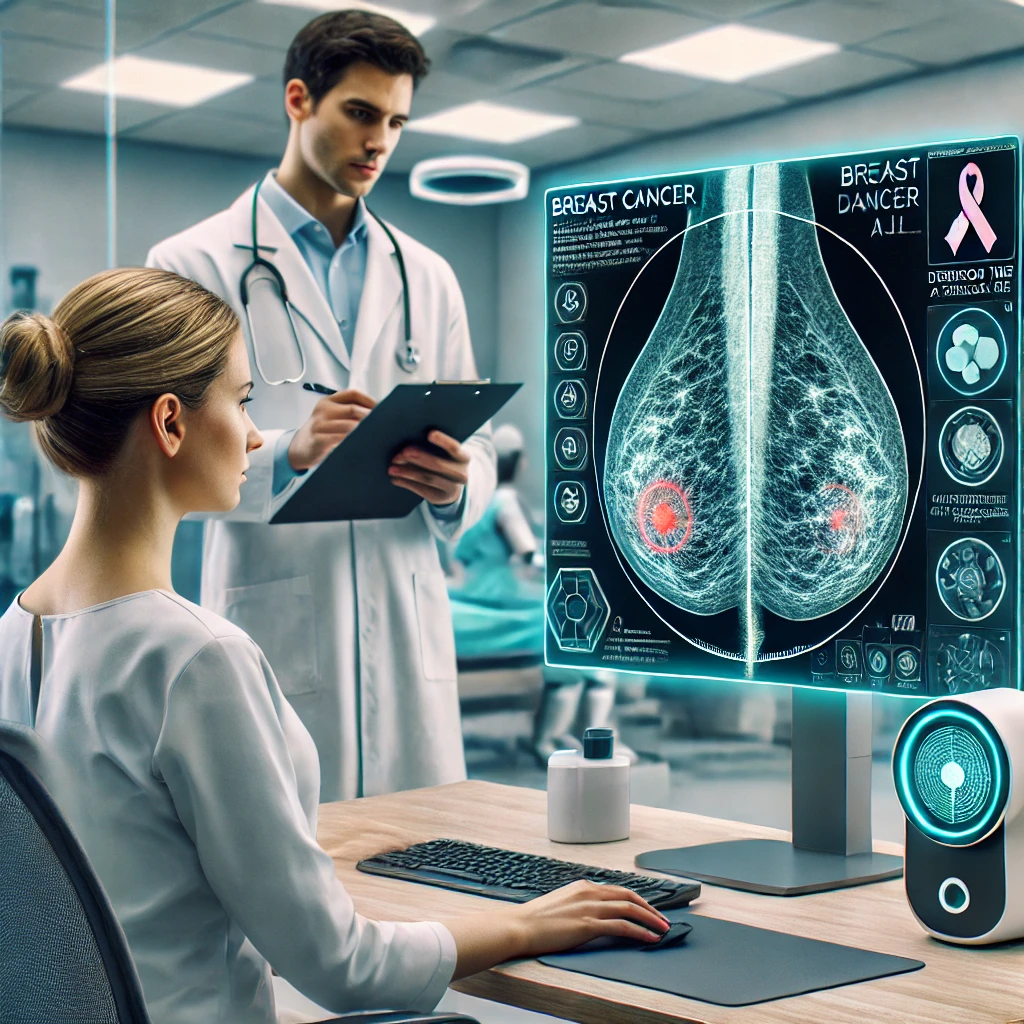
Artificial Intelligence (AI) is being explored as a new tool to support breast screening services and improve early detection outcomes for women across New Zealand, Health Minister Simeon Brown says.
"AI is providing new opportunities to strengthen our healthcare system and deliver smarter, more responsive care for New Zealanders," Mr Brown said.
Health New Zealand has now invited organisations with expertise in AI medical image reading to outline how the technology could be safely and effectively integrated into BreastScreen Aotearoa, the country's national breast screening programme.
"This exploratory step is about ensuring New Zealand women continue to have access to quality, future-focused breast screening services," Mr Brown said.
Breast Cancer Remains New Zealand's Most Common Women's Cancer
Breast cancer is the most frequently diagnosed cancer among New Zealand women.
-
Around 3,400 women are diagnosed each year
-
Approximately 270,000 women aged 45–69 are screened annually through BreastScreen Aotearoa
"With demand growing, we need to look at smarter ways to support our workforce and deliver faster, more reliable screening," Mr Brown said.
AI Could Support Radiologists and Reduce Workforce Pressures
The initiative marks the first step in a validation process to understand how AI tools might assist radiologists in breast screening services.
Potential benefits under consideration include:
-
Supporting clinical decision-making
-
Reducing workload pressures on radiologists
-
Improving consistency in image interpretation
-
Delivering quicker screening outcomes for patients
Mr Brown stressed that any future use of AI would maintain strong clinical oversight and patient safety standards.
"This work is focused on future-proofing breast screening so services remain accessible, patient-centred, and responsive to the needs of women," he said.
International Momentum in AI Medical Imaging
AI is already being used in several countries to assist with medical imaging, including breast cancer detection.
Exploring international models will be part of Health New Zealand's assessment as it considers whether AI could complement radiologists' work locally.
"Exploring how AI could strengthen early detection is an important step toward ensuring the long-term sustainability of screening services," Mr Brown said.
Next Steps: Consultation and Technology Assessment
Health New Zealand will now:
-
Draw on advice from the health technology sector
-
Engage with the breast screening workforce
-
Review international examples of AI-assisted screening
-
Evaluate safety, effectiveness, and clinical standards
The work builds on recent upgrades to BreastScreen Aotearoa, including:
-
Extending the screening age range up to 74 years
-
Transitioning to a population-based digital screening register
A Future-Focused Goal for Women's Health
"At the heart of this work is one simple goal: enabling more women to access timely screening and giving them the best possible chance of early detection," Mr Brown said.


 Google News