

Middle East Conflict Strains Health Systems as Hospitals Come Under Attack, WHO Warns
More than ten days into the renewed hostilities, national health authorities report thousands of casualties across the region, while access to life-saving medical care is becoming increasingly difficult.
- Country:
- Egypt Arab Rep
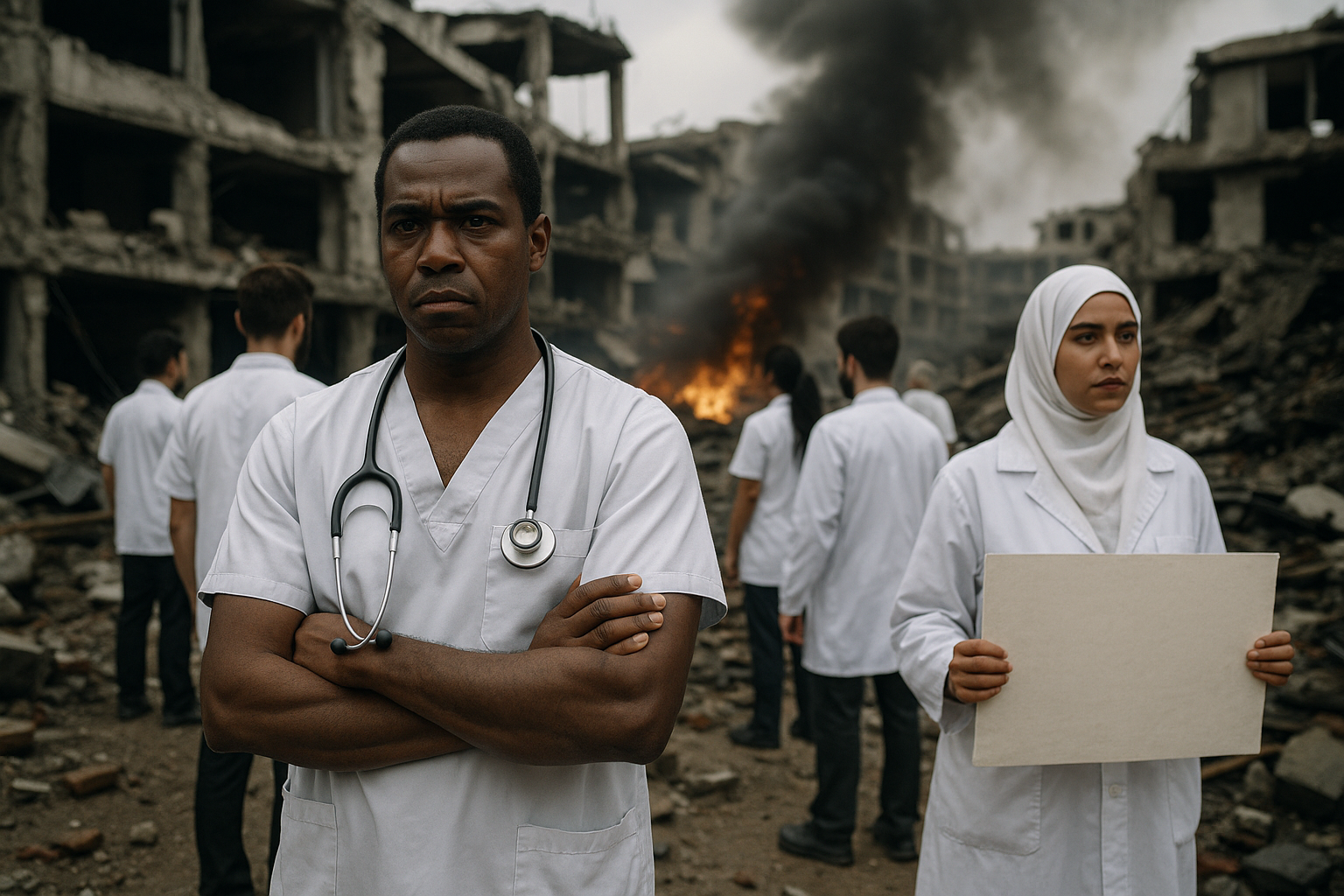
Health systems across the Middle East are facing mounting pressure as the latest escalation of conflict continues, with rising casualties, widespread displacement and repeated attacks on medical facilities threatening already fragile healthcare services, the World Health Organization (WHO) has warned.
More than ten days into the renewed hostilities, national health authorities report thousands of casualties across the region, while access to life-saving medical care is becoming increasingly difficult.
Rising Death Toll and Injuries Across the Region
According to official figures reported to WHO:
-
Iran: More than 1,300 people have been killed and over 9,000 injured
-
Lebanon: At least 570 deaths and more than 1,400 injuries reported
-
Israel: Authorities report 15 deaths and 2,142 injuries
The growing number of casualties is placing enormous strain on hospitals and emergency services that are already struggling with shortages of medical supplies and staff.
Attacks on Healthcare Facilities Increasing
WHO has documented a worrying rise in attacks on healthcare infrastructure, which are severely disrupting medical services and endangering health workers and patients.
Since 28 February, WHO has verified:
-
18 attacks on healthcare facilities in Iran, resulting in 8 health worker deaths
-
25 attacks on healthcare in Lebanon, causing 16 deaths and 29 injuries
These incidents include strikes on hospitals, clinics and medical infrastructure that communities depend on for emergency treatment.
WHO stressed that health workers, patients and medical facilities must always be protected under international humanitarian law.
Mass Displacement Raises Public Health Risks
The escalating violence is also triggering large-scale population movements.
-
In Iran, more than 100,000 people have relocated within the country due to insecurity.
-
In Lebanon, as many as 700,000 people have been internally displaced, many sheltering in overcrowded temporary facilities.
Crowded living conditions and deteriorating sanitation are increasing the risk of respiratory infections, diarrhoeal diseases and other communicable illnesses, particularly among vulnerable groups such as women and children.
Limited access to safe drinking water, sanitation facilities and hygiene supplies is further compounding the risk of disease outbreaks.
Environmental Hazards Add to Health Concerns
In Iran, damage to infrastructure has created additional environmental threats.
Petroleum fires and smoke from damaged facilities have exposed nearby communities to toxic pollutants, which can lead to:
-
breathing difficulties
-
eye and skin irritation
-
contamination of water and food sources
Health experts warn that prolonged exposure to these pollutants could cause longer-term health complications.
Hospitals Closing and Medical Access Restricted
Healthcare access across several conflict-affected areas is becoming increasingly constrained.
In Lebanon, evacuation orders issued by Israel's military have forced 49 primary health care centres and five hospitals to shut down, significantly reducing access to essential medical services.
In the occupied Palestinian territory, movement restrictions and checkpoint closures in the West Bank are delaying ambulances and mobile clinics, preventing timely medical care.
In Gaza, medical evacuations have been suspended since 28 February, while hospitals continue operating under extreme pressure due to shortages of:
-
medicines
-
medical supplies
-
fuel
Fuel supplies are being rationed to maintain essential services such as emergency care, trauma treatment, maternal health services and disease control programmes.
Disruptions to Global Medical Supply Chains
The conflict is also affecting international humanitarian logistics.
Temporary airspace restrictions have disrupted the movement of medical supplies from WHO's global logistics hub in Dubai, delaying more than 50 emergency shipments intended to assist over 1.5 million people across 25 countries.
Priority shipments currently awaiting dispatch include medical supplies destined for:
-
Al Arish, Egypt, to support the Gaza response
-
Lebanon
-
Afghanistan
The first delayed shipment, containing cholera response supplies for Mozambique, is expected to depart in the coming week.
Region Already Facing Severe Humanitarian Crisis
The escalation is unfolding against the backdrop of an already severe humanitarian situation in the Eastern Mediterranean Region, where an estimated 115 million people require humanitarian assistance.
This represents nearly half of all people globally in need of humanitarian aid.
Despite these immense needs, humanitarian health appeals in the region remain about 70% underfunded, limiting the ability of aid agencies to respond effectively.
WHO Calls for Protection of Health Care and Ceasefire
WHO warned that without urgent action, the strain on healthcare systems and vulnerable populations will continue to intensify.
The organisation called on all parties involved in the conflict to:
-
protect civilians and healthcare services
-
ensure sustained humanitarian access
-
allow the safe delivery of medical supplies and aid
WHO also urged leaders to pursue de-escalation and diplomatic solutions, emphasizing that protecting public health systems is critical for communities to recover and move toward peace.


 Google News