

NZ Invests $25 Million to Strengthen Hospital Capacity Ahead of Winter Surge
The investment will support hospitals nationwide with additional staff, beds and services aimed at improving patient flow and reducing delays in care.
- Country:
- New Zealand
The New Zealand Government will invest an additional $25 million to strengthen hospital capacity, boost staffing levels and prepare the health system for increased demand during the winter months, Health Minister Simeon Brown has announced.
The funding package is designed to help hospitals manage seasonal pressures, including rising emergency department visits driven by population growth, winter illnesses and an ageing population.
"Emergency department presentations continue to rise alongside population growth and an ageing population, placing hospitals under increasing pressure during the winter months," Mr Brown said.
The investment will support hospitals nationwide with additional staff, beds and services aimed at improving patient flow and reducing delays in care.
Additional Staff and Beds to Meet Winter Demand
The funding will support a significant expansion in staffing and hospital capacity across the country.
Key measures include:
-
Up to 378 additional full-time equivalent staff across the health system
-
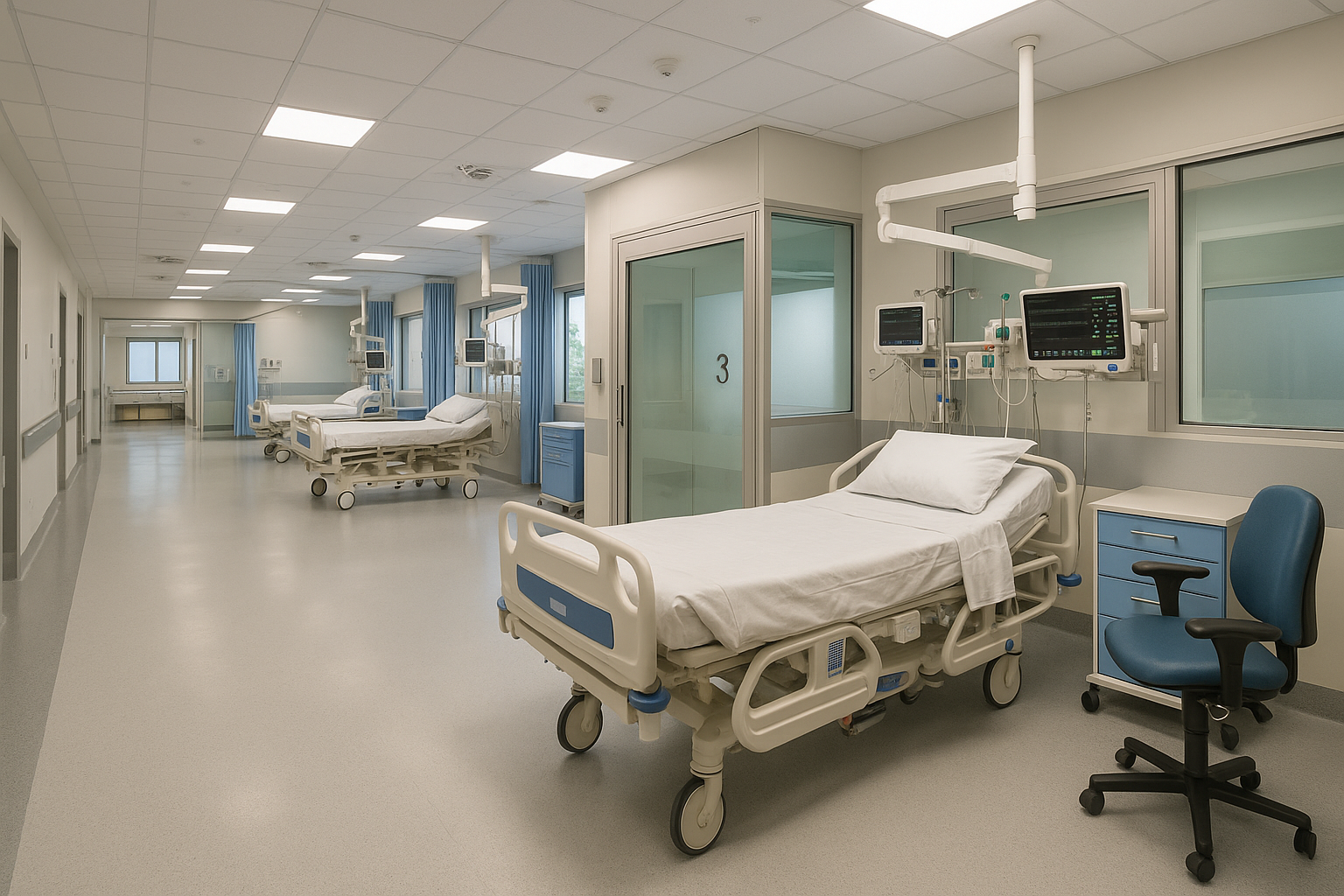
71 extra winter hospital beds at key hospitals
-
Up to 567 short-stay beds through aged residential care facilities to free up hospital capacity
-
Expansion of Hospital in the Home services, allowing patients to recover at home after earlier discharge
Officials say these measures will help reduce bed block, improve patient flow through hospitals and ease pressure on emergency departments.
Hospitals Already Seeing Performance Improvements
Mr Brown said recent improvements in emergency department performance suggest the health system is beginning to recover after several years of declining results.
"Despite these challenges, Health New Zealand has seen emergency department performance improve since the reintroduction of the Government's health targets," he said.
More patients are now reportedly being seen sooner in emergency departments, reversing previous declines in service performance.
However, officials acknowledge that winter continues to be one of the most challenging periods for hospitals.
Early Planning for Winter Pressures
The new funding forms part of a national winter preparedness plan developed by Health New Zealand.
Mr Brown said he instructed the Health New Zealand Board to develop the winter response strategy early, ensuring hospitals had time to prepare.
"In my Letter of Expectation to the Health New Zealand Board last November, I made it clear that I expected a plan to prepare our hospitals for winter to be in place early," he said.
The Board formally endorsed the winter preparedness plan on 3 March, with implementation now underway nationwide.
Four Key Priorities in the Winter Plan
The national strategy focuses on four main priorities designed to manage demand and keep patients moving safely through the health system.
1. Prevention and Public Health
The plan includes expanded vaccination programmes and public health initiatives to reduce winter illness.
Measures include:
-
Increased vaccination opportunities
-
Clearer winter health advice for the public
-
Targeted support for older people and high-risk groups
-
Earlier access to antiviral treatments
-
Improved vaccination services in aged care facilities
-
Easier access to multiple vaccinations in a single visit
2. Strengthening Primary Care
Expanding access to primary healthcare services is intended to reduce pressure on hospital emergency departments.
Initiatives include:
-
Expanded telehealth services
-
Longer hours at urgent and after-hours clinics
-
Working with community pharmacies to treat more minor health conditions
3. Improving Hospital and Emergency Department Flow
Hospitals will receive additional resources to manage increased patient demand.
Measures include:
-
Additional staff and hospital beds
-
Seasonal winter wards at Middlemore, Waikato, Wellington and Christchurch hospitals
-
Faster diagnostic testing and imaging services
-
Improved systems to ensure clinicians receive urgent results more quickly
4. Supporting Earlier Hospital Discharges
Helping patients return home sooner is another key part of the plan.
The Government will expand:
-
Hospital-in-the-home services
-
Transitional care and aged residential care beds
-
Allied health support for patients returning home
-
Weekend discharge processes to reduce hospital bottlenecks
Supporting Frontline Health Workers
Mr Brown acknowledged that winter will remain a demanding period for healthcare workers but said the investment is designed to ensure frontline teams have the resources needed to manage the surge in demand.
"Hospitals will still face high levels of demand this winter," he said.
"But by planning early, expanding capacity and supporting our frontline teams, we are giving them the tools, resources and flexibility they need to better manage pressure, reduce delays and deliver care for New Zealanders."
He also thanked health workers across the country for their continued efforts.
"I want to thank everyone working across the health system in advance," Mr Brown said. "We know winter will be busy, and this investment is about supporting you to keep patients at the centre of our health system."


 Google News