

Trump's Pharmaceutical Tariff Shakeup and its Global Implications
The health sector faces significant changes as the U.S. imposes new pharmaceutical tariffs, major vaccine delivery disputes arise, and new drug approvals ignite market competition. These developments affect trade agreements, U.S. policy on compounded medicines, and the competitive landscape of weight-loss pharmaceuticals.
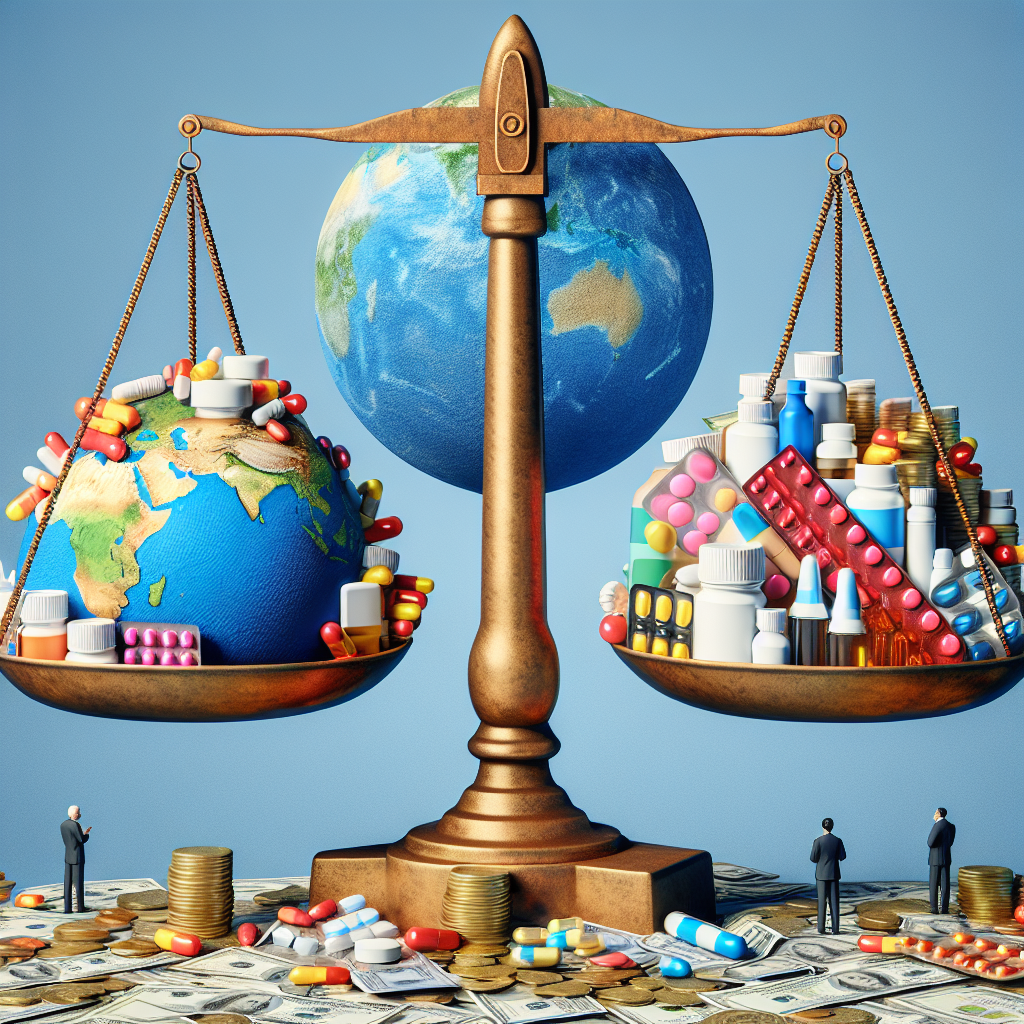
The pharmaceutical industry is bracing for impact as U.S. President Donald Trump unveils 100% tariffs on imported branded drugs unless manufacturers adapt pricing strategies or shift production stateside. While major players rallied to secure exemptions, smaller firms may face penalties if they fail to negotiate new agreements.
Meanwhile, a Belgian court has mandated Poland and Romania to uphold a €1.9 billion vaccine purchase from Pfizer, emphasizing the global complexities in fulfilling contractual obligations amid health crises. As drugmakers scramble, America's FDA tightens its stance on compounded GLP-1 drugs as supplies stabilize.
In the arena of weight-loss drugs, Eli Lilly and Novo Nordisk intensify their fight, with fresh approvals stoking competitive flames. As the U.S. solidifies trade accords, Britain seals a pharma pact offering zero tariffs, posing potential boosts and challenges within international commerce.


 Google News