

Global Hepatitis Fight Shows Progress, But WHO Warns Millions Still at Risk
Viral hepatitis B and C—the two forms responsible for 95% of hepatitis-related deaths—claimed an estimated 1.34 million lives in 2024.
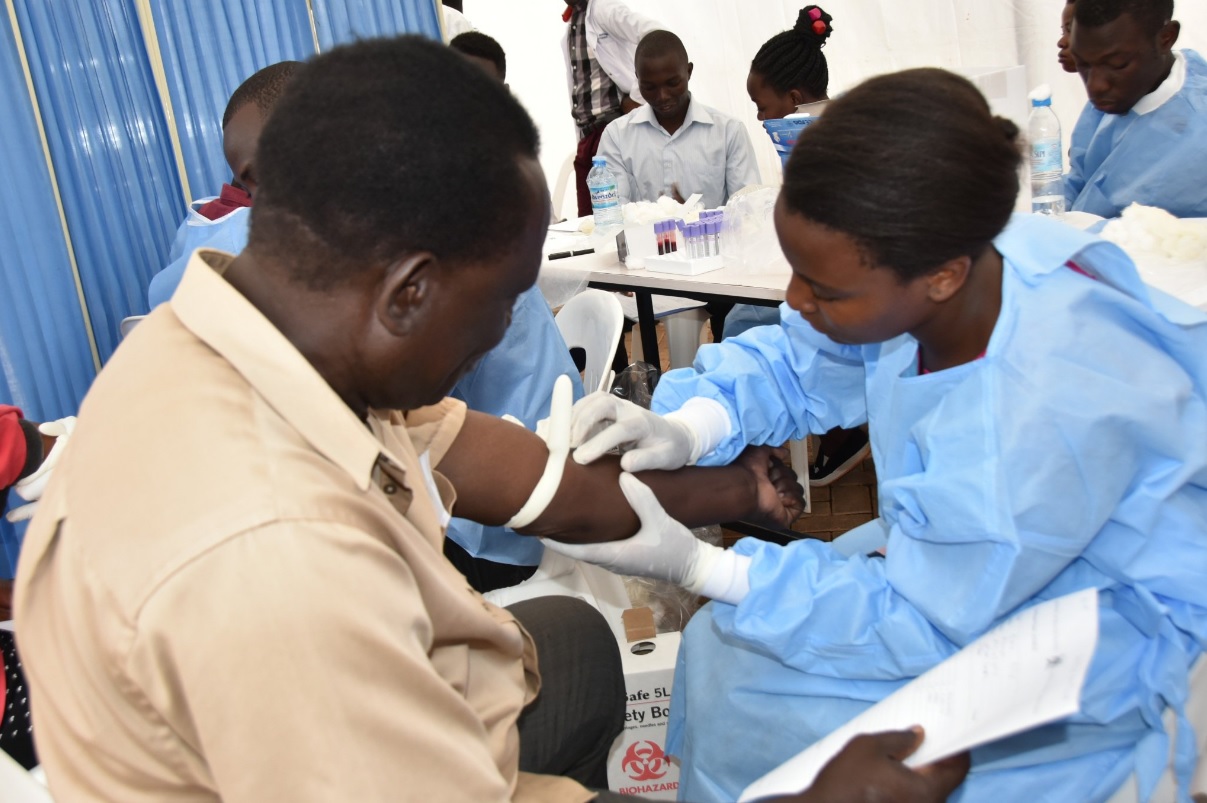
Global efforts to combat viral hepatitis are delivering measurable progress, with declining infections and deaths in recent years—but the disease continues to pose a major public health threat, according to a new World Health Organization (WHO) report released at the World Hepatitis Summit.
The 2026 Global Hepatitis Report highlights a mixed picture: while coordinated global action has led to significant gains since 2015, progress remains uneven and too slow to meet the 2030 elimination targets.
Deaths Still High Despite Declining Trends
Viral hepatitis B and C—the two forms responsible for 95% of hepatitis-related deaths—claimed an estimated 1.34 million lives in 2024.
At the same time, transmission continues at an alarming pace, with around 4,900 new infections daily, or 1.8 million annually.
Encouragingly, global interventions are beginning to show results:
-
New hepatitis B infections have dropped by 32% since 2015
-
Hepatitis C-related deaths have declined by 12%
-
Hepatitis B prevalence among children under five has fallen to 0.6%, with 85 countries nearing the 2030 target
"These achievements show that eliminating hepatitis is possible," said WHO Director-General Dr Tedros Adhanom Ghebreyesus, while warning that progress remains "too slow and uneven."
Millions Living with Chronic Infection
Despite advances, the global burden remains substantial. An estimated 287 million people were living with chronic hepatitis B or C in 2024.
Access to treatment continues to lag significantly:
-
Fewer than 5% of people with chronic hepatitis B receive treatment
-
Only 20% of hepatitis C patients have been treated since 2015, despite highly effective cures
As a result, preventable deaths remain high, with 1.1 million deaths from hepatitis B and 240,000 from hepatitis C recorded in 2024 alone.
Regional Inequalities Drive the Crisis
The report highlights stark disparities across regions:
-
The WHO African Region accounts for 68% of new hepatitis B infections, yet only 17% of newborns receive the birth-dose vaccine
-
People who inject drugs account for 44% of new hepatitis C infections, pointing to gaps in harm reduction services
A small group of countries carries a disproportionate burden. Just 10 countries account for 69% of hepatitis B deaths globally, while another group of 10 countries accounts for 58% of hepatitis C deaths.
Proven Tools Exist—but Not Reaching Everyone
Health experts stress that the tools to eliminate hepatitis already exist:
-
The hepatitis B vaccine is over 95% effective
-
Long-term antiviral therapies can control hepatitis B
-
Short-course hepatitis C treatments can cure over 95% of cases
Yet barriers such as stigma, weak health systems, and limited access to care continue to prevent widespread uptake.
"Every missed diagnosis and untreated infection represents a preventable death," said Dr Tereza Kasaeva, WHO's hepatitis programme director.
Urgent Call to Accelerate Action
The WHO is urging countries to intensify efforts in several key areas:
-
Scale up testing and treatment, particularly for hepatitis B
-
Expand vaccination coverage, especially birth-dose vaccines
-
Improve injection safety and harm reduction services
-
Integrate hepatitis care into primary healthcare systems
-
Increase domestic funding and political commitment
Without accelerated action, the world risks missing its goal of eliminating hepatitis as a public health threat by 2030.
A Preventable Crisis at a Crossroads
The report underscores a critical reality: while progress proves elimination is achievable, millions remain undiagnosed and untreated.
As global health systems face competing priorities, hepatitis stands as a preventable and treatable disease that still claims over a million lives annually—a gap that experts say must be urgently closed.
ALSO READ
-
Cholera Deaths Rise 30% as WHO Reports Highest Annual Toll in More Than Two Decades
-
World Leaders Push for Fairer Pandemic Protection as COVID’s Heavy Toll Drives Action
-
WHO Sets 2027 Southern Hemisphere Flu Vaccine Formula as Viruses Shape Risks
-
WHO Expands Quality Checks for Contraceptives and AI Tools That Help Spot Tuberculosis
-
IAEA Joins Forces With Six Industry Partners to Close Global Cancer Care Divide


 Google News