

Tunisia Eliminates Trachoma in Public Health Victory Recognised by WHO
WHO Acting Representative in Tunisia Dr Ahmed Zouiten said the country’s success demonstrates the effectiveness of evidence-based health policy and international collaboration.
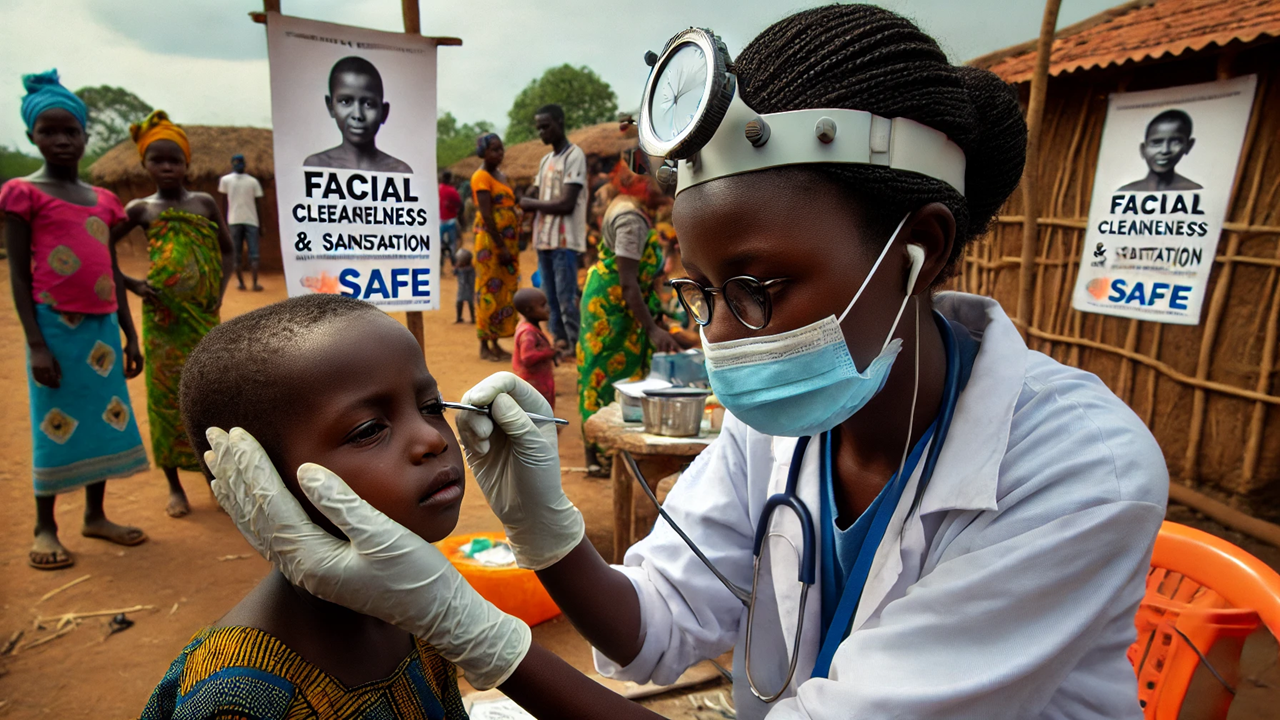
Tunisia has officially eliminated trachoma as a public health problem, marking a historic milestone in the global fight against preventable blindness and earning international recognition from the World Health Organization (WHO) after decades of sustained public health efforts.
The WHO formally validated Tunisia's achievement this week, making the North African nation one of a growing number of countries to successfully defeat one of the world's oldest and most devastating neglected tropical diseases.
Trachoma — the leading infectious cause of blindness worldwide — once affected at least half of Tunisia's population, particularly in poorer southern regions where access to clean water, sanitation, and healthcare was limited.
Health officials say the achievement reflects decades of political commitment, public health investment, community engagement, and nationwide disease prevention campaigns.
"I congratulate Tunisia on this historic public health achievement," WHO Director-General Dr Tedros Adhanom Ghebreyesus said.
"Eliminating trachoma shows what long-term political commitment, strong primary health care and teamwork can do. Tunisia has proven that even the world's leading infectious cause of blindness can be overcome."
Once Widespread Across Tunisia
Trachoma was endemic across Tunisia during the early and mid-20th century, particularly in rural and underserved communities.
The bacterial eye infection spreads through contact with infected eye discharge, contaminated surfaces, and flies, thriving in areas with inadequate sanitation and limited access to clean water.
Repeated infections can eventually cause irreversible blindness when the eyelid turns inward and eyelashes scrape against the surface of the eye.
The disease has historically hit vulnerable populations hardest, especially children and women in low-income communities.
WHO officials say Tunisia's success demonstrates how broader improvements in social conditions — including sanitation, hygiene, and healthcare access — can dramatically reduce disease transmission.
Decades-Long National Campaign Drove Elimination
Tunisia's elimination campaign was built around the WHO-recommended SAFE strategy, a comprehensive public health model used globally to combat trachoma.
The SAFE strategy includes:
-
Surgery for advanced disease cases
-
Antibiotics to eliminate infection
-
Facial cleanliness to reduce transmission
-
Environmental improvements, particularly water and sanitation access
For decades, Tunisia implemented nationwide screening and treatment programmes while integrating eye care into:
-
Primary healthcare services
-
School health systems
-
Community outreach initiatives
The country also conducted large-scale hygiene promotion campaigns aimed at reducing transmission through improved facial cleanliness and sanitation practices.
Health authorities say the combination of medical intervention, infrastructure improvements, and long-term prevention strategies proved critical to driving disease prevalence down to elimination thresholds.
WHO Praises Tunisia's Sustained Commitment
WHO Regional Director for the Eastern Mediterranean Dr Hanan Balkhy described the achievement as a model for other countries still battling preventable blindness.
"I congratulate Tunisia on the elimination of trachoma as a public health problem," Dr Balkhy said.
"This is a major achievement that reflects sustained and consistent national commitment over many years and shows what is possible when a country remains focused on addressing preventable causes of blindness."
The WHO says Tunisia's success was underpinned by strong public health systems, broad primary healthcare coverage, and major progress in improving access to water and sanitation over several decades.
Tunisia Vows to Protect Gains for Future Generations
Tunisia's Health Minister Dr Mustapha Ferjani said the validation reflects generations of coordinated public health work involving healthcare professionals, local communities, and national institutions.
"Validation marks a historic achievement for Tunisia and reflects our country's long-standing commitment to public health, prevention and equity," Dr Ferjani said.
"This milestone is the result of decades of coordinated national efforts, with the dedication of generations of health-care professionals, local communities who worked tirelessly to expand access to care, strengthen prevention and improve eye health across the country."
"Tunisia remains committed to sustaining these gains and protecting future generations."
Health authorities confirmed that a robust post-validation surveillance system has now been established to ensure the disease does not return.
The monitoring programme includes:
-
Ongoing case detection
-
Continued treatment capacity
-
Surveillance in vulnerable regions
-
Continued training for health professionals
-
Long-term monitoring systems
WHO officials say post-elimination surveillance is critical because trachoma can re-emerge if hygiene, sanitation, or healthcare systems weaken.
Growing Global Momentum Against Neglected Tropical Diseases
Tunisia now joins an expanding group of countries that have successfully eliminated neglected tropical diseases as public health threats.
The WHO has increasingly prioritised the elimination of diseases such as:
-
Trachoma
-
River blindness
-
Lymphatic filariasis
-
Sleeping sickness
-
Leprosy
These diseases disproportionately affect poorer communities and are closely linked to poverty, sanitation gaps, and limited healthcare access.
Public health experts say Tunisia's achievement highlights the importance of long-term investment in:
-
Primary healthcare
-
Community medicine
-
Public sanitation
-
Preventive health systems
-
Disease surveillance
WHO Acting Representative in Tunisia Dr Ahmed Zouiten said the country's success demonstrates the effectiveness of evidence-based health policy and international collaboration.
"The validation of elimination of trachoma as a public health problem in Tunisia reflects the impact of sustained collaboration between the Ministry of Health and WHO in achieving public health gains across the country," Dr Zouiten said.
"This milestone stands as a strong demonstration of how science, evidence-based programming and coordinated technical support can overcome neglected tropical diseases every time and everywhere."
Global health organisations say Tunisia's elimination milestone contributes directly to the United Nations Sustainable Development Goals, particularly targets linked to health equity, disease prevention, sanitation, and universal healthcare access.
ALSO READ
-
People Are Living Longer, but WHO Figures Reveal Growing Cost of Poor Health
-
Netherlands and WHO Strengthen Health Partnership as Crises Put Care Under Pressure
-
Longer Lives, Unequal Care: UN Report Exposes Gaps in Support for Older People Globally
-
Kazakhstan Connects Over 200 Health Workers With Global Clinical Research Experts
-
Higher Tobacco Taxes Cut Smoking and Show How Health Levies Can Change Daily Lives


 Google News