

WHO Warns of Global Gaps in Access to Safe Blood Supplies
More than 120 million blood donations were recorded in 2023, with voluntary unpaid donors providing over 85 per cent of the total supply.
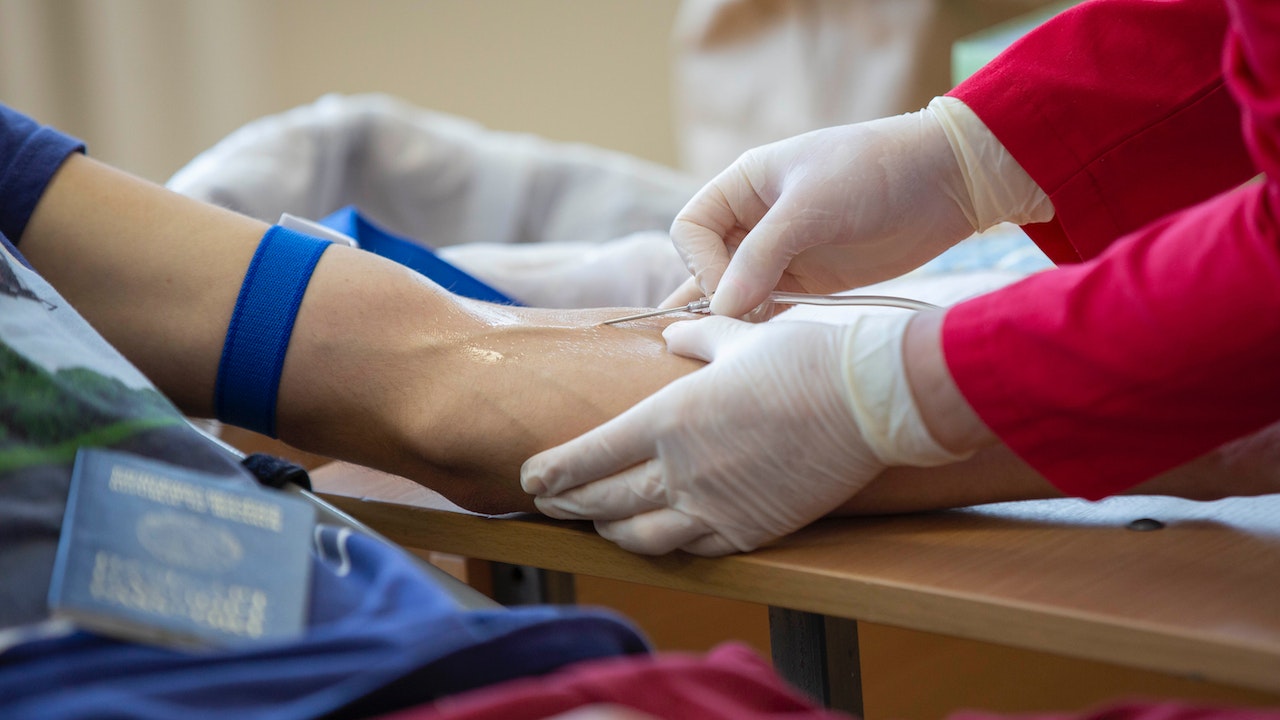
New figures released by the World Health Organization (WHO) show that blood donations have increased significantly over the past decade, helping improve the availability of life-saving blood supplies in many parts of the world.
According to data collected from 132 countries, global blood collections rose by nearly 19 per cent between 2013 and 2023. More than 120 million blood donations were recorded in 2023, with voluntary unpaid donors providing over 85 per cent of the total supply.
The growth reflects continued efforts by countries to encourage regular blood donation and strengthen national blood services. Health experts consider voluntary unpaid donors to be the safest and most sustainable source of blood because donations are given without financial incentives and are often made on a regular basis.
Millions Still Face Challenges Accessing Safe Blood
Despite overall progress, WHO says access to safe blood and blood products remains deeply unequal across the world. Patients in lower-income countries are often the most affected, facing shortages that can delay or prevent critical medical treatment.
Safe blood is essential for women experiencing severe bleeding during childbirth, children suffering from serious anaemia, accident and burn victims, surgical patients, and people living with conditions such as sickle-cell disease, thalassaemia, haemophilia and certain cancers.
The report highlights stark differences between countries. High-income nations, which account for only 15 per cent of the global population, collect 36 per cent of all blood donations worldwide. In some countries, blood donation rates exceed 50 donations per 1,000 people, while others report fewer than one donation per 1,000 residents.
Twenty-four countries collected fewer than five blood donations per 1,000 people, a level that WHO says reflects major challenges in meeting patient needs.
Funding and Regulation Remain Major Concerns
WHO also raised concerns about weaknesses in governance, regulation and financing within national blood systems. Nearly one-third of countries surveyed still do not have specific laws governing the safety and quality of blood and blood products.
Many countries also lack key oversight mechanisms. Only 64 per cent reported carrying out regular inspections of blood services, while 62 per cent operate licensing systems. Accreditation programmes remain even less common, with only 40 per cent of countries reporting that at least some blood transfusion services are accredited.
Funding continues to be another major obstacle. More than one in seven countries reported having neither dedicated government funding nor cost-recovery systems to support blood services, raising concerns about long-term sustainability.
Ahead of World Blood Donor Day on 14 June, WHO is urging governments and health partners to strengthen blood services through better regulation, sustainable financing, improved quality standards and stronger data systems. This year's campaign, themed "One Drop of Humanity. Give Blood. Save Lives," celebrates voluntary blood donors and highlights the vital role they play in saving lives and supporting resilient healthcare systems around the world.
ALSO READ
-
People Are Living Longer, but WHO Figures Reveal Growing Cost of Poor Health
-
Netherlands and WHO Strengthen Health Partnership as Crises Put Care Under Pressure
-
Longer Lives, Unequal Care: UN Report Exposes Gaps in Support for Older People Globally
-
Kazakhstan Connects Over 200 Health Workers With Global Clinical Research Experts
-
Higher Tobacco Taxes Cut Smoking and Show How Health Levies Can Change Daily Lives


 Google News